 Polski

Transport boxes for rodents and rabbits


- Voor 17 uur besteld, dezelfde dag verzonden!
- Rodent specialist since 2011
- Dispatched from our own stock

Transport boxes for rodents and rabbits: safe, quiet, and practical on the go
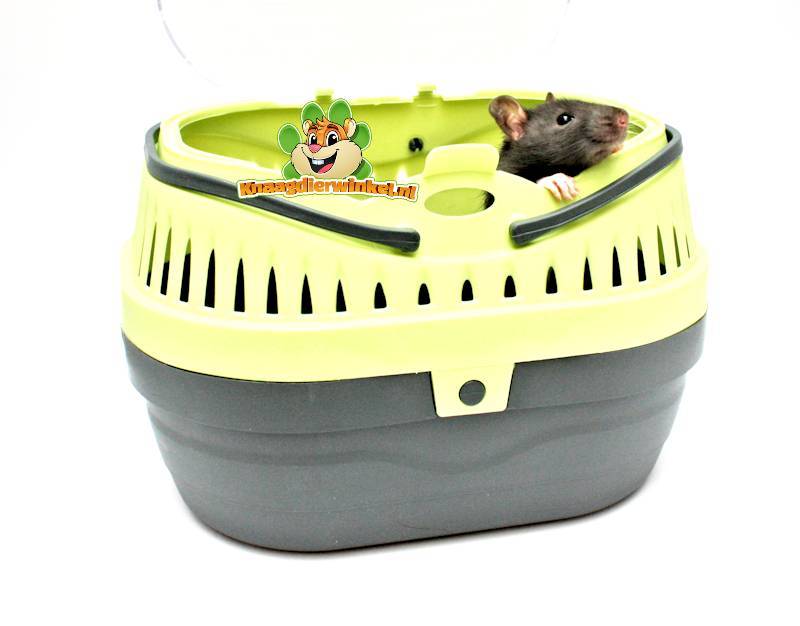 A good transport crate is indispensable when you need to transport your animal safely. Think of a visit to the vet, picking up a new animal, moving house, boarding, a holiday address, or a short temporary relocation. In this category, you will find transport crates and transport solutions for mice, dwarf hamsters, hamsters, gerbils, dwarf rats, rats, guinea pigs, rabbits, chinchillas, degus, and ferrets.
A transport box is not an enclosure, but a temporary, protected, and manageable place for the journey. The right box is large enough to sit or lie down comfortably, but not so spacious that your animal slides around inside when braking, turning, or being lifted.
At DRD Knaagdierwinkel®, when it comes to transport boxes, we focus primarily on safe and calm use: is the size suitable for the animal, is there sufficient ventilation, does your animal have grip on the bottom, and can you clean the box thoroughly after use? With a little bedding or nesting material , an anti-slip mat , or some hay for guinea pigs and rabbits, you often make transport calmer and more manageable.
✓ Transport boxes for vet, boarding, moving, and temporary transport
✓ Choose by size, animal species, grip, ventilation, and occasion
✓ Compact boxes for small rodents and more spacious boxes for larger animals
✓ Combines well with bedding, nesting material, hay, pee pad, or anti-slip mat
✓ Selected by DRD Knaagdierwinkel® – Specialist since 2011
Quick links
Choosing a transport box • Why a transport box? • Which size? • Making the box comfortable • By animal species • Useful accessories • Checklist • FAQ
Protected transport
A transport box keeps your animal safely together during transport and prevents your animal from sitting loose in the car, on the bicycle, or in the waiting room.
Quieter on the road
A closed, recognizable box with grip on the floor and some familiar scent can help limit stimuli during short rides.
Practical to verify
A good box is sturdy, easily accessible, and easy to clean after a drive, vet visit, or temporary stay on the road.
Choosing a transport box: small, medium, or spacious?
Not every animal needs the same transport box. A mouse or dwarf hamster often feels more comfortable in a compact, well-organized box with bedding and nesting material. A guinea pig, rabbit, chinchilla, or degu, on the other hand, needs more floor space and grip. Below you will find handy guides to help you choose faster.
Useful choices from this category
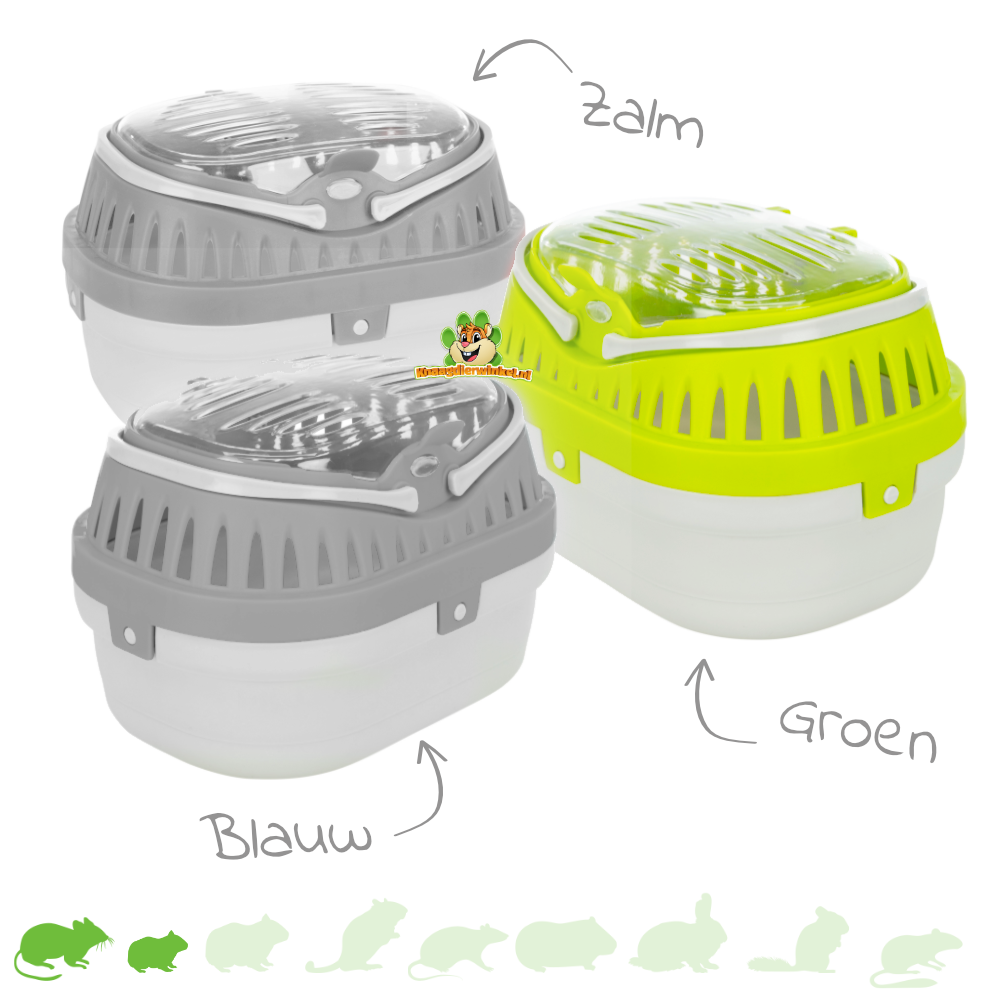
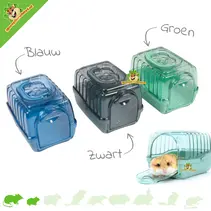
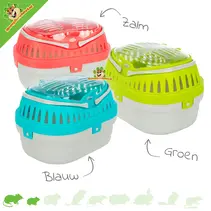
Pico 18 cm
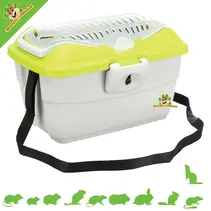
Compact transport box for mice and small dwarf hamsters. Handy for short transport, vet visits, or temporarily separating them during cleaning.
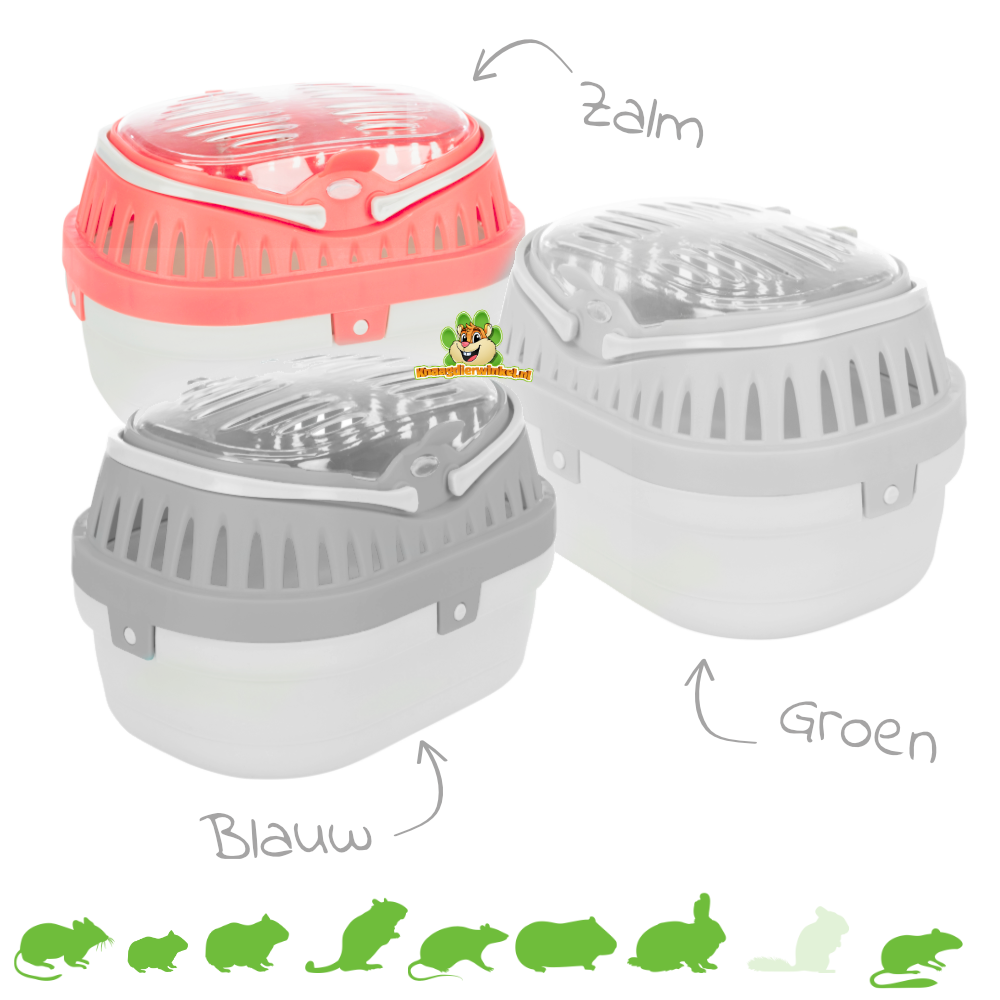
Pico 30 cm
Spacious plastic transport box for various rodents. Great when you want more floor space than with the smallest Pico models.
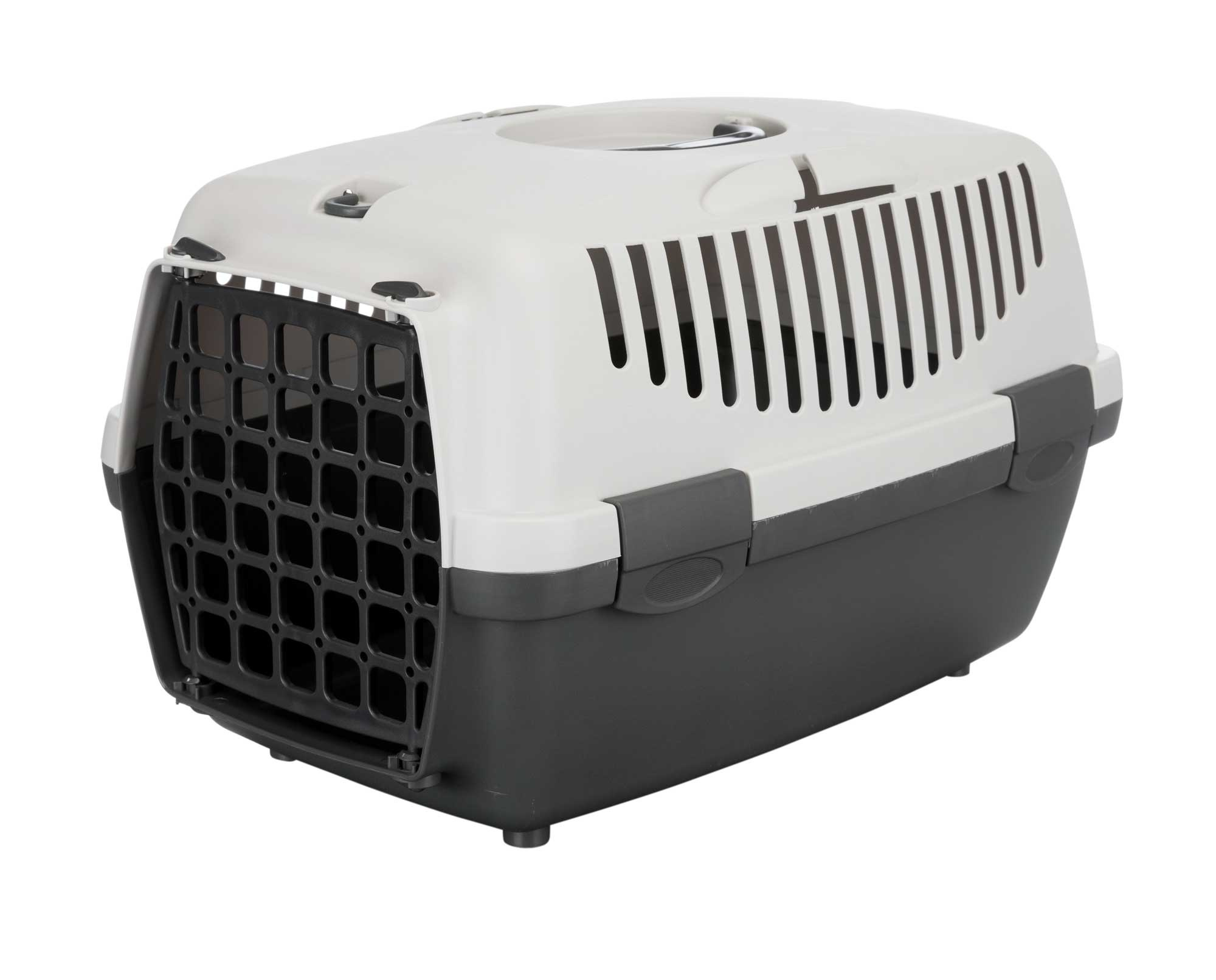
Capri 1 – 48 cm
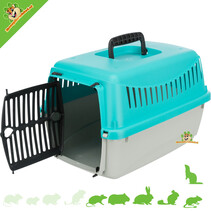
Sturdy transport box for larger animals such as rats, guinea pigs, rabbits, chinchillas, and degus. With handle and ventilation.
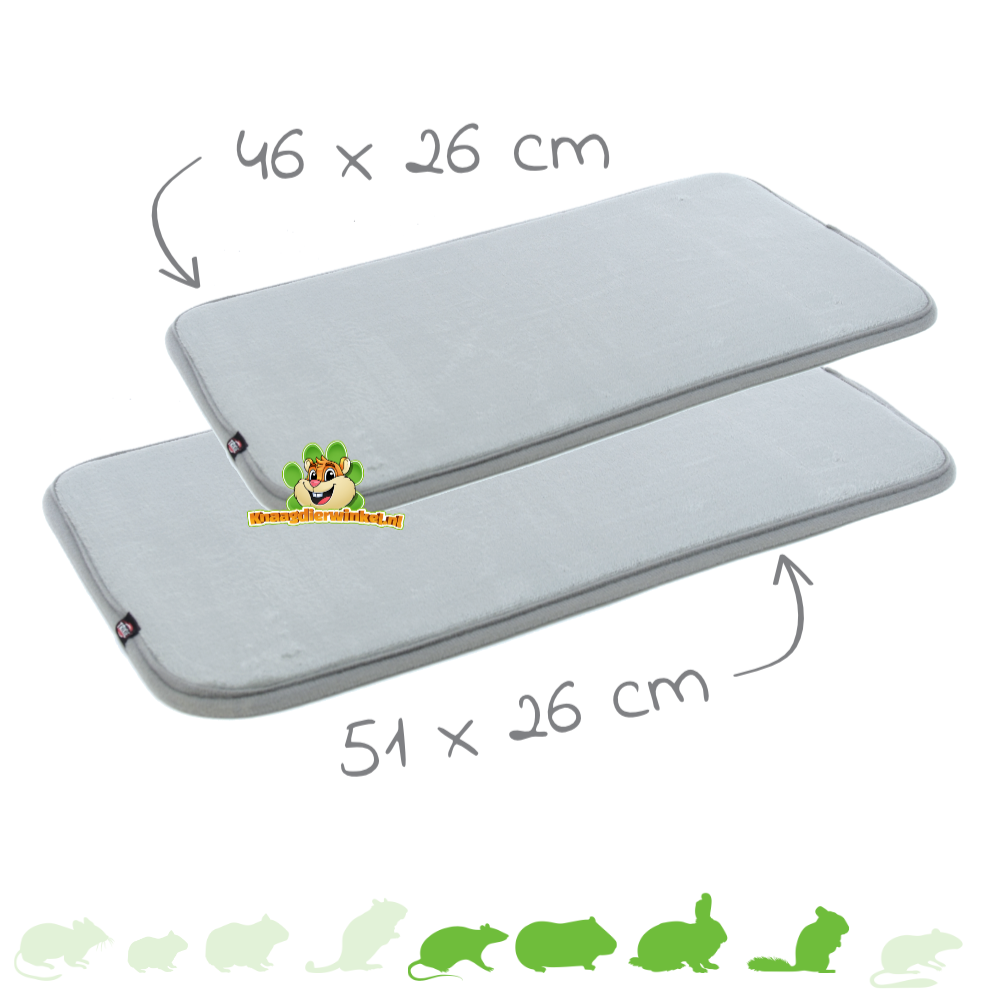
Anti-Slip Mat
Provides extra grip on a slippery surface. Especially useful for guinea pigs, rabbits, and larger animals during transport.

Plasmat or absorbent underlay
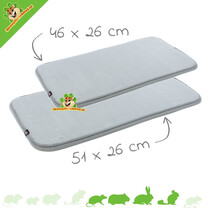
Handy for animals that urinate on the way or during longer waiting times. Always ensure the surface stays firmly in place.

Pet Remedy Spray 15 ml
For owners who want extra peace of mind during transport. Always use according to the product instructions and allow the box to ventilate well.
Why do you need a transport box?
A transport crate is a basic product that often only seems necessary when you are in a hurry. However, it is wise to already have one at home. During a vet visit, a move, bonding, temporary separation, or picking up an animal, you don't want to have to improvise with an open crate, box, or basket.
A good transport crate provides protection, prevents escape, and makes it easier to carry your animal safely. You can also prepare the crate with a familiar scent, a grippy bottom, and a simple filling suitable for the species.
Always use a transport box as a temporary solution. For overnight stays, recovery, long-term isolation, or temporary care, a suitable cage, run, or enclosure is much more appropriate.
What should you look for when choosing a transport box?
You choose the right transport box based on size, animal behavior, and the occasion of use. For a short trip to the vet, a compact, sturdy box is often more comfortable than one that is too large and in which your animal can slide around. For larger animals such as guinea pigs, rabbits, chinchillas, degus, and ferrets, sufficient floor space is important so that the animal can sit or lie down naturally.
| What do you look out for? | Why is it important? | Practical choice |
|---|---|---|
| Mate | Your animal must be able to sit, lie down, or turn over without sliding. | Compact for small animals, more spacious for guinea pigs, rabbits, and ferrets. |
| Ventilation | Fresh air is important during transport and waiting. | Choose a box with sufficient ventilation openings. |
| Ground grip | A slippery floor can slide and cause unrest. | Use floor covering, towel, pee pad, or anti-slip mat. |
| Closure | The box must remain properly closed during transport. | Check latches, handles, and lid before departure. |
| Cleaning | After the vet or transport, you want to store the box hygienically. | Choose a box that is easy to empty, clean, and dry. |
Selection guide: custom-made transport box
Small rodents
For mice and dwarf hamsters, compact transport is often convenient. Choose a tightly closing box with small ventilation holes, a layer of bedding, and optionally some nesting material with a familiar scent.
Medium-sized rodents
For hamsters, gerbils, dwarf rats, and rats, choose a sturdy box with sufficient space, a good closure, and grip on the bottom. It is better to use simple filling than loose, heavy accessories.
Larger animals
For guinea pigs, rabbits, chinchillas, degus, and ferrets, floor space, ventilation, and grip are especially important. An anti-slip mat, towel, or absorbent underlay prevents sliding.
Veterinary visit
Choose a box that is easy to open, carry, and clean. Set up the box in advance so that packing proceeds smoothly.
Packing a transport box comfortably
A transport box feels more comfortable when the bottom is not slippery and your animal has something familiar with it. For example, use a layer of bedding, a towel, an anti-slip mat, or, for small rodents, a little nesting material.
For guinea pigs and rabbits, some hay is often pleasant on the go. For mice, dwarf hamsters, hamsters, and gerbils, a small handful of familiar nesting material or bedding from their own enclosure is often calming rather than a large empty box. However, keep the setup simple and easy to monitor.
✔ Use something that provides grip on the ground.
✔ Add some familiar nesting material for small animals.
✔ Optionally give guinea pigs and rabbits a handful of hay.
✔ Do not use heavy, loose houses or accessories that can slide.
✔ Always keep ventilation openings clear.
Do you want to use a product such as a calming spray? Always use it according to the product instructions and allow the box or mat to air out well before your animal goes inside. The basics always remain: calm preparation, grip, ventilation, and safe transport.
Choose a transport box per animal species
- Mouse: choose a compact, well-sealing box with fine ventilation holes. A layer of bedding and some nesting material with a familiar scent provides more shelter.
- Dwarf hamster: choose a compact and well-organized box with bedding and nesting material. Always check that the box closes properly and that the animal cannot escape through any openings.
- Hamster: it is better to choose slightly more space than for a dwarf hamster, especially for a Syrian hamster. Use simple bedding and avoid heavy, loose accessories.
- Gerbil: choose a stable box with a good latch. Gerbils can react quickly to movement and sound; bedding helps prevent sliding and provides more grip.
- Dwarf rat: choose based on the actual size and build of the animal, as dwarf rats can vary among themselves. A sturdy box with grip and ventilation is important.
- Rat: choose a sturdy transport box with a reliable latch and sufficient ventilation. Rats prefer a box that is easy to inspect and easy to clean.
- Guinea pig: choose a box with sufficient floor space and good grip. An anti-slip mat, towel, or suitable bedding prevents sliding; consider bringing some hay.
- Rabbit: choose a sturdy box with sufficient floor space, good ventilation, and easy access. Pay extra attention to heat in the car, train, or waiting room.
- Chinchilla: choose a sturdy, well-ventilated cage. Avoid heat, direct sunlight, and damp conditions.
- Degu: choose a sturdy box with a good closure and grip on the bottom. Keep the setup simple and manageable.
- Ferret: choose a spacious, sturdy transport box with a reliable latch, ventilation, and a bottom that is easy to clean.
Handy to combine with a transport box
A transport box works better when you properly prepare the base and the moment of use. These products often make transport quieter, safer, and easier to keep clean.
Ground cover
Provides grip, absorbs moisture, and makes the ground less slippery during transport.
Nesting material
Great for small rodents who like to hide away for a moment on the go.
Anti-slip mat
Provides extra grip for guinea pigs, rabbits, and larger animals on a slippery surface.
Hay for the road
For guinea pigs and rabbits, some hay on the go is often practical and familiar.
Checklist – before you leave
✓ Is the size of the transport box suitable for your pet?
✓ Is the box properly closed and are the latches and handle intact?
✓ Does your animal have grip on the ground?
✓ Are the ventilation openings clear?
✓ Is the playpen stable in the car, bike basket, or waiting area?
✓ Is the box not in direct sunlight, a draft, or heat?
✓ Can you clean the box thoroughly after use and let it dry?
Clean and store the transport box
Always clean the transport box after use. Remove bedding, hay, nesting material, cloths, or mats, and clean the box according to the material. Allow everything to dry thoroughly before storing the box.
Check immediately whether the latches, handles, lid, barred door, and edges are still intact. This way, the box is ready for the next vet visit or transport.
Good to know
A transport box is intended for transport and short, temporary periods, not for long-term stays. For overnight stays, recovery, or temporary care, choose a suitable cage, run, or enclosure.
Do not use heavy, loose accessories in the playpen. They can shift during transport. A simple, stable base with grip is usually quieter and safer.
Be extra careful in warm weather. Never place a transport box in direct sunlight or in a hot car. Rabbits, guinea pigs, chinchillas, and degus, in particular, are sensitive to heat.
Frequently asked questions about transport boxes
What size transport box do I need?
Choose a playpen in which your animal can sit, lie down, or turn around comfortably, but does not have so much room that it slides around inside when braking or turning. Floor space is especially important for guinea pigs, rabbits, and ferrets.
Can I transport multiple animals together?
This is sometimes possible with animals that normally live together stably, such as a calm pair of guinea pigs or rabbits. However, pay attention to stress, space, and temperature. For animals that become restless easily or are not stable together, transporting them separately is often more manageable.
What do you put at the bottom of a transport box?
Use something that provides grip and absorbs moisture, such as bedding, a towel, a pee pad, or an anti-slip mat. For small rodents, you can add some nesting material so they can hide.
May I put a cloth over the transport box?
A curtain can reduce irritation, but always keep ventilation openings clear. Also pay close attention to heat, especially in the car, train, or waiting room.
Can a transport box be used as temporary accommodation?
A transport box is intended for transport and short, temporary periods, not for long-term stays. For overnight stays, recovery, or temporary care, a suitable cage, run, or enclosure is much more appropriate.
How do I transport a rabbit safely?
Choose a sturdy playpen with good grip, sufficient floor space, and ventilation. If necessary, place a towel or anti-slip mat on the bottom and set the playpen down stably so that it cannot tip over or slide.
How do I transport a hamster safely?
Use a compact, tightly closing transport box with bedding and some nesting material. Avoid large open spaces in the box and ensure that ventilation openings are not large enough to escape through.
How do I clean a transport box?
Remove used bedding, hay, or cloths, clean the stall, and let it dry thoroughly. Check immediately whether fastenings, handles, and edges are still intact.
Useful to look at as well
✓ Running
✓ Transport boxes for mice, dwarf hamsters, hamsters, gerbils, dwarf rats, rats, guinea pigs, rabbits, chinchillas, degus and ferrets
✓ Selection guide for size, grip, ventilation, and animal species
✓ Handy for vet, daycare, moving, and temporary transport
✓ Ordered before 5 PM, shipped the same day
✓ Specialist since 2011
✓ Delivered from our own stock
Unsure which transport crate best suits your pet or transport occasion? Feel free to contact us via our contact page . We are happy to help you.
