 Polski

Chinchilla Pellets with Herbs – Enrichment & Reward
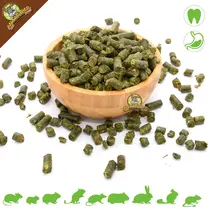
Sainfoin pellets as natural, fiber-rich pellets for rodents and rabbits. Handy as a reward, mixed with food, in a treat ball, or to scatter around.
Read more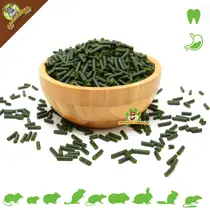
Spinach pellets as natural vegetable pellets for rodents and rabbits. Handy as a reward, mixed with food, in a treat ball, or to scatter around.
Read more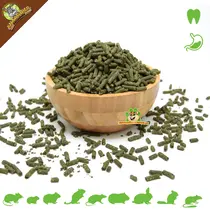
Thyme pellets as natural herbal pellets for rodents and rabbits. Handy as a reward, mixed with hay, in a treat game, or to scatter around.
Read more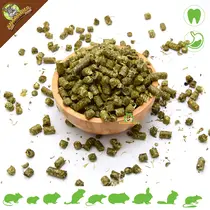
Timothy pellets made from organic Timothy grass for rodents and rabbits. Handy as a reward, mixed with hay, in a treat game, or to scatter around.
Read more- Voor 17 uur besteld, dezelfde dag verzonden!
- Rodent specialist since 2011
- Dispatched from our own stock
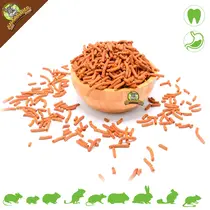
Tomato pellets as natural vegetable pellets for rodents and rabbits. Handy as a reward, in a treat game, or to scatter around.
Read more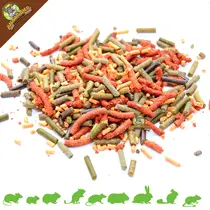
Colorful vegetable pellet mix with bell pepper, tomato, celery, parsley, dill, spinach, beetroot, and carrot. For rewarding, snack play, and foraging.
Read more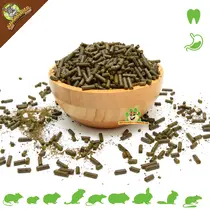
Walnut Leaf Pellets are a delicious addition to the diet of rodents and rabbits. Walnut leaves are not only delicious but also very healthy. The pellets are approximately 4 mm in size and are made entirely from fresh walnut leaves.
Read moreYou can order Chinchilla Pellets (herbs, vegetables & fruit) quickly and easily at DRD Rodent Shop ®
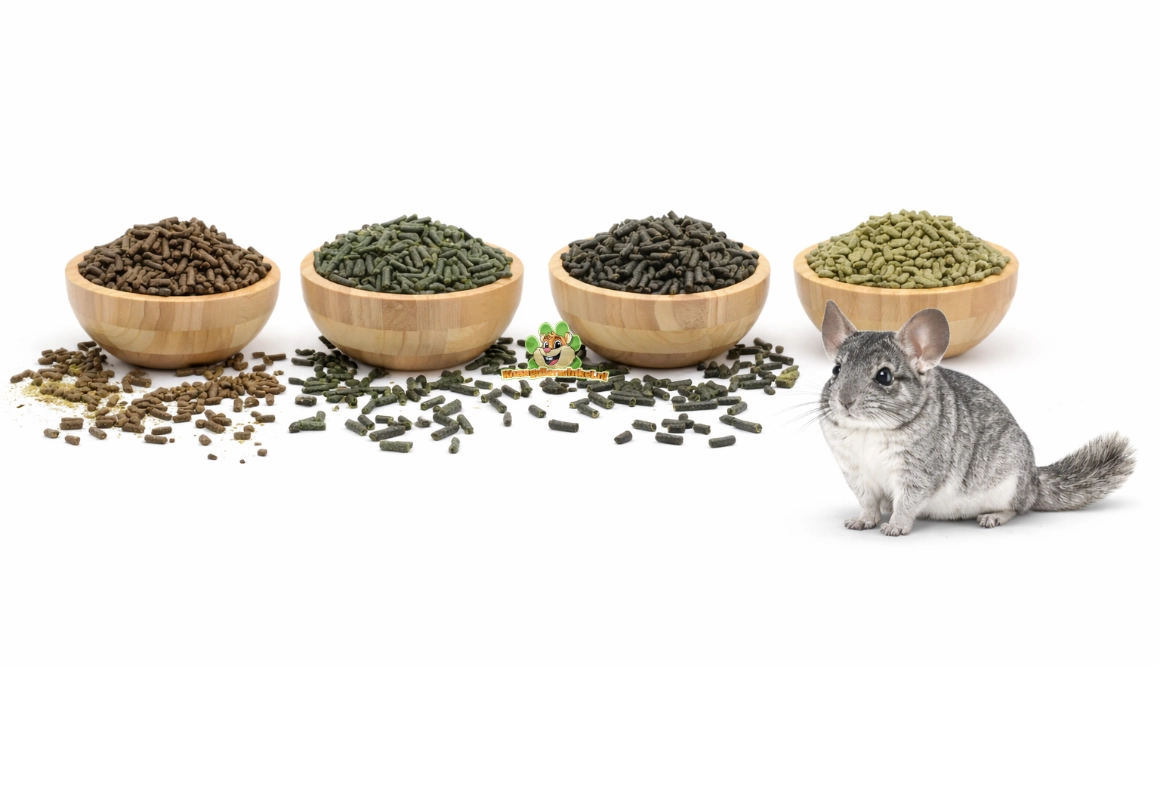
Want to give your chinchilla an extra challenge without complicating their basic diet? Then chinchilla pellets are ideal as enrichment or a small reward. In this category, you'll find pellets made with freshly dried ingredients (herbs, vegetables, or fruit) that are easy to portion. Perfect for use in a snack plate, sniffing mat, or to sprinkle occasionally as a foraging challenge. DRD Rodent Shop® carefully selects its products based on species suitability, practical use, and safety. Specialist since 2011 – fast delivery from our own stock.
Product groups Chinchilla Pellets
How do you feed pellets?
- Think of pellets as enrichment: chinchilla pellets are a supplement , not a replacement for hay or basic food.
- Start small: give a few pellets at first and observe the stool and appetite.
- Don't eat everything at once: portion it out; this keeps things interesting and keeps the menu calm.
- Make it challenging: hide pellets in a snuffle mat, snack plate or foraging station.
What can you use pellets for?
- Reward: useful for taming or a quiet moment of contact (small and controlled).
- Foraging challenge: Sprinkle a few pellets around the enclosure every now and then so your chinchilla has to actively search for them.
- Enrichment in toys: perfect in a snack ball, snack plate or intelligence game.
- Variety: Herbal or fibre pellets provide variety without having to feed “wet” food.
Checklist: how to choose the right pellets
- Fiber First: Preferably choose herbal or fiber-oriented pellets for daily “small” use.
- Fruit = reward: fruit pellets are mainly intended as a bonus and not for every day.
- Consider a routine: chinchillas often do best on a stable diet; change things up slowly and sparingly.
- Observe: in case of sensitivity or changes in stool: simplify the menu and if in doubt, consult a veterinarian.
- Portion control: Pellets remain a supplement; hay and basic feed remain the leading factors.
Hygiene & storage
- Dry and sealed: Store pellets in a cool, dry and airtight container to maintain quality.
- Work clean: Use a scoop or clean hands and keep food bowls fresh.
- Always check: do not use pellets that smell musty or have become damp.
Safety
- Hay remains the basis: pellets are an enrichment/supplement, not a basic diet.
- Build up slowly: introduce new pellets in small amounts and observe.
- Variety is key: too many different “extras” can lead to confusion on the menu.
- No medical claims: pellets are nutrition/enrichment and do not replace veterinary advice.
FAQ Chinchilla Pellets
Are chinchilla pellets the same as chinchilla food?
No. In this category, we mean pellets such as herb/vegetable/fruit or fiber pellets for enrichment. The basic diet remains hay and species-appropriate chinchilla food.
How often can I give pellets?
That depends on the type of pellet and your animal. Start small (a few pieces) and use it primarily for enrichment. Hay is always the leading ingredient.
Can I give fruit pellets daily?
Better not. Fruit pellets are primarily a reward and are best served in small doses, not every day.
My chinchilla has a sensitive stomach, what now?
Keep the diet as simple as possible (hay + basic feed) and introduce new pellets very gradually. If symptoms persist, consult a veterinarian.
✔ 100% dried ingredients – easy to dose
✔ Ideal for foraging, sniffing and rewarding
✔ Specialist since 2011 – fast delivery from our own stock
Order before 5pm and your order will be shipped the same day!
Specialist since 2011 – delivered from our own stock.
