Do you also have a little rodent that loves using their multi-room house as a bathroom? Well, not the whole house, but one specific room in it. That’s actually quite logical: a multi-room house has different spaces, and small rodents often use them for various purposes. Think of a storage room, a nest or sleeping area, and yes... sometimes even a bathroom!
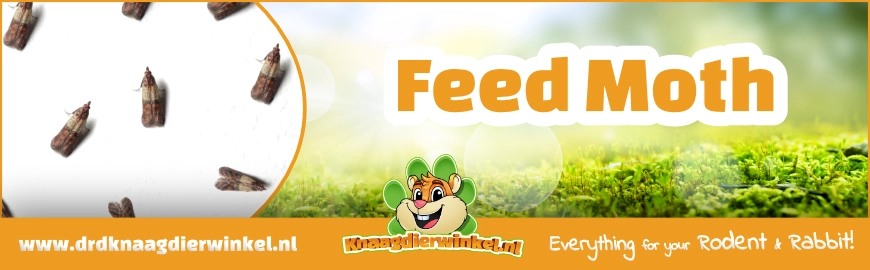
You’re probably familiar with the cheerful fluttering "feed moths," also known as "pantry moths" or "food moths." They get their name from their favorite place to hang out: food! While this isn’t exactly pleasant for us, in this blog, we’ll tell you everything about these little creatures, how to prevent them, and how to get rid of them.
Rats are true omnivores and are well-known for their survival instincts. But what should be on your rats’ menu? And which foods should you avoid to protect their health? Here, you’ll find everything you need to know about proper nutrition for pet rats!
At DRD Knaagdierwinkel, we want to give you a glimpse into the intriguing world of mice! Did you know that mice, just like humans, have their own body language? Researchers at Harvard Medical School have discovered that mice can organize their movements into "behavioral syllables," helping us understand how these cute little rodents express themselves.
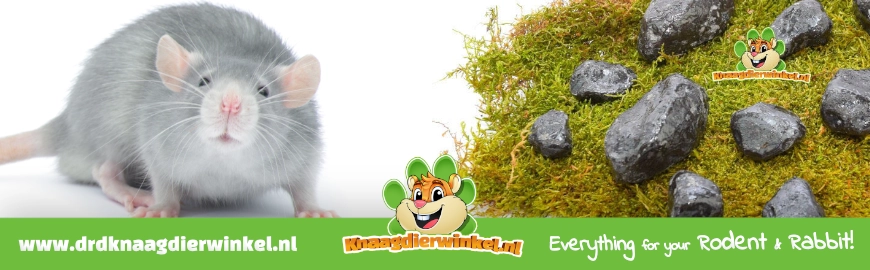
Rats are fascinating animals, and their hygiene habits can sometimes be a challenge for their owners. Luckily, we have come up with a clever solution: pee stones! These handy stones are specifically designed to support the natural behavior of rats and other rodents. They give the animals a designated spot where they love to pee and can even help with potty training.
 Polski