Polski



Coconut Play Ball 6 cm for Rodents & Rabbits
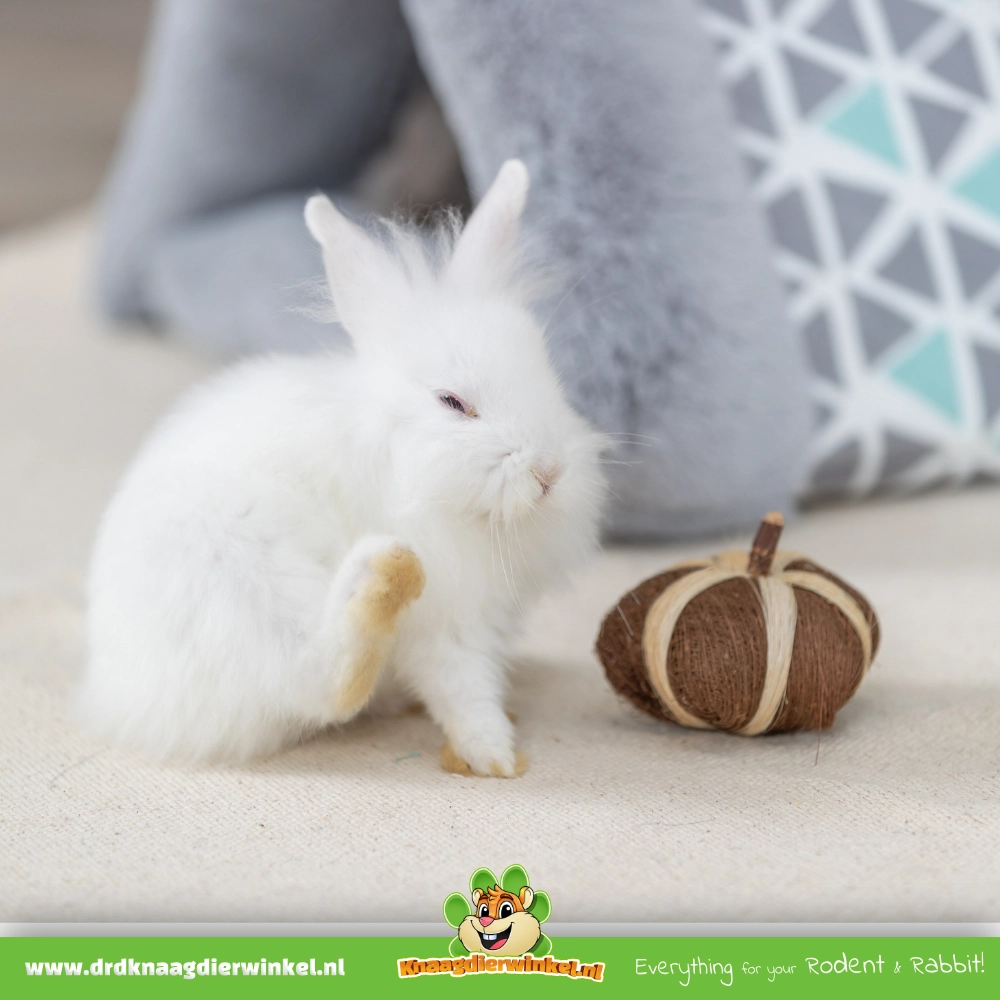
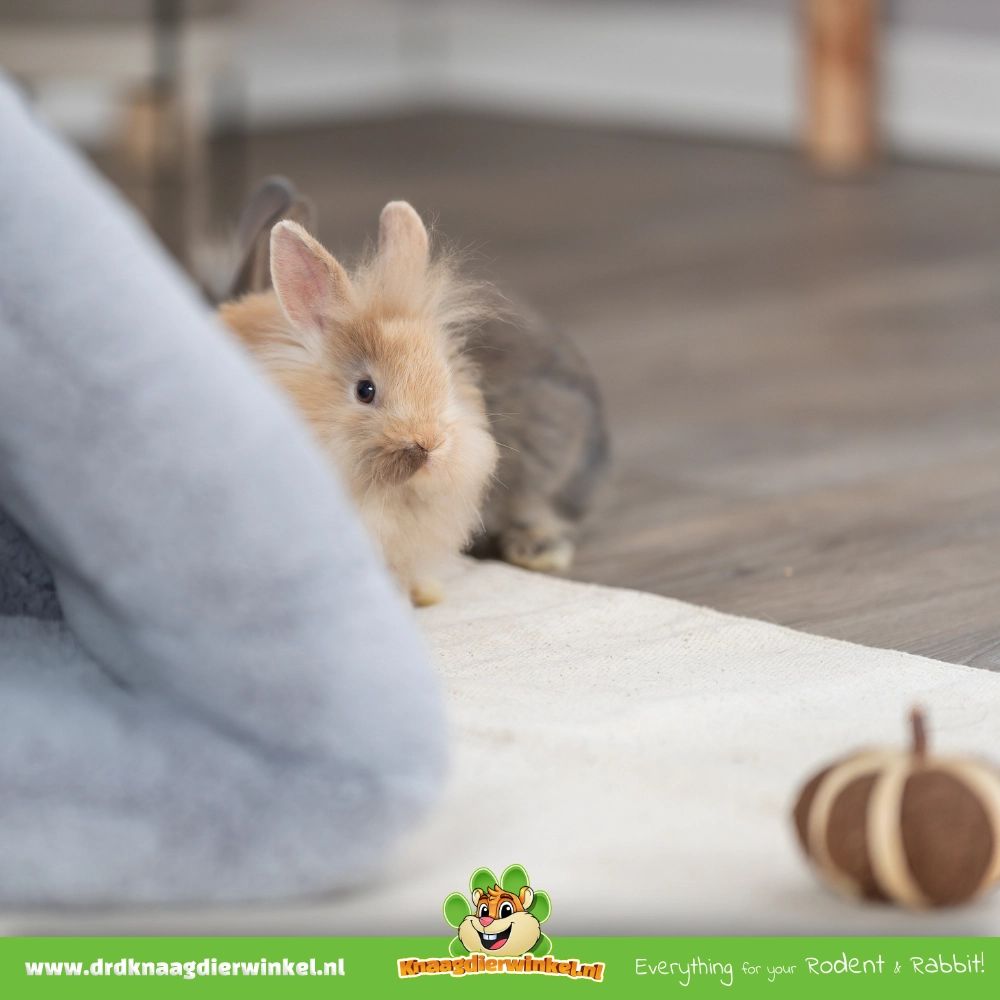
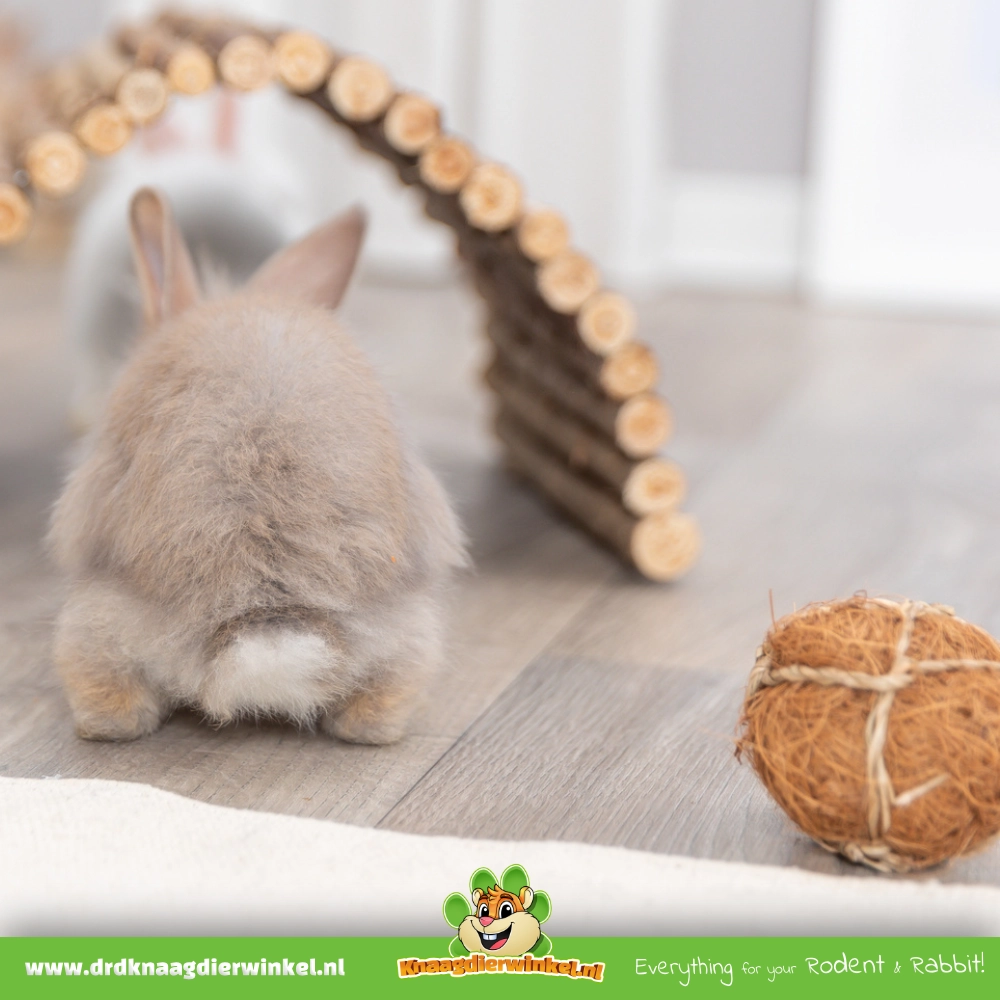
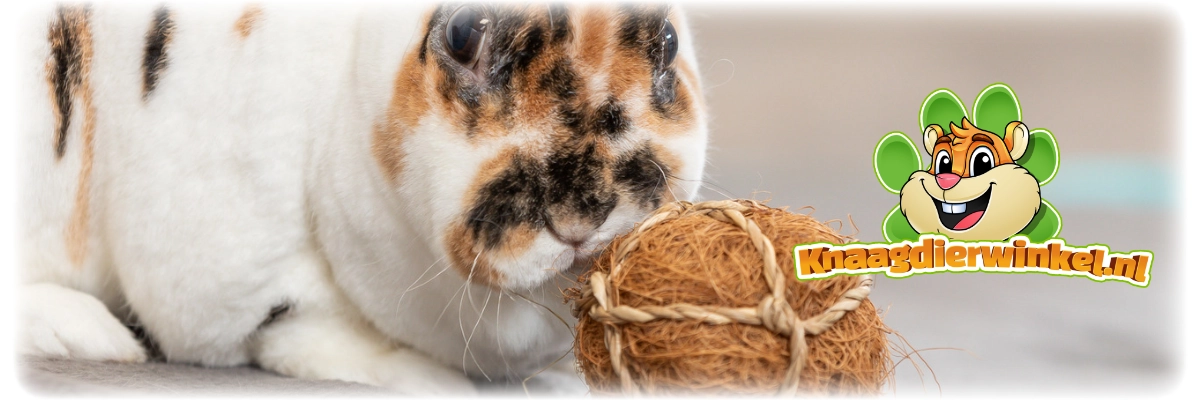


- Dispatched from our own stock
- Personal & expert advice
- Always 100% rodent-friendly
- In stock soon!
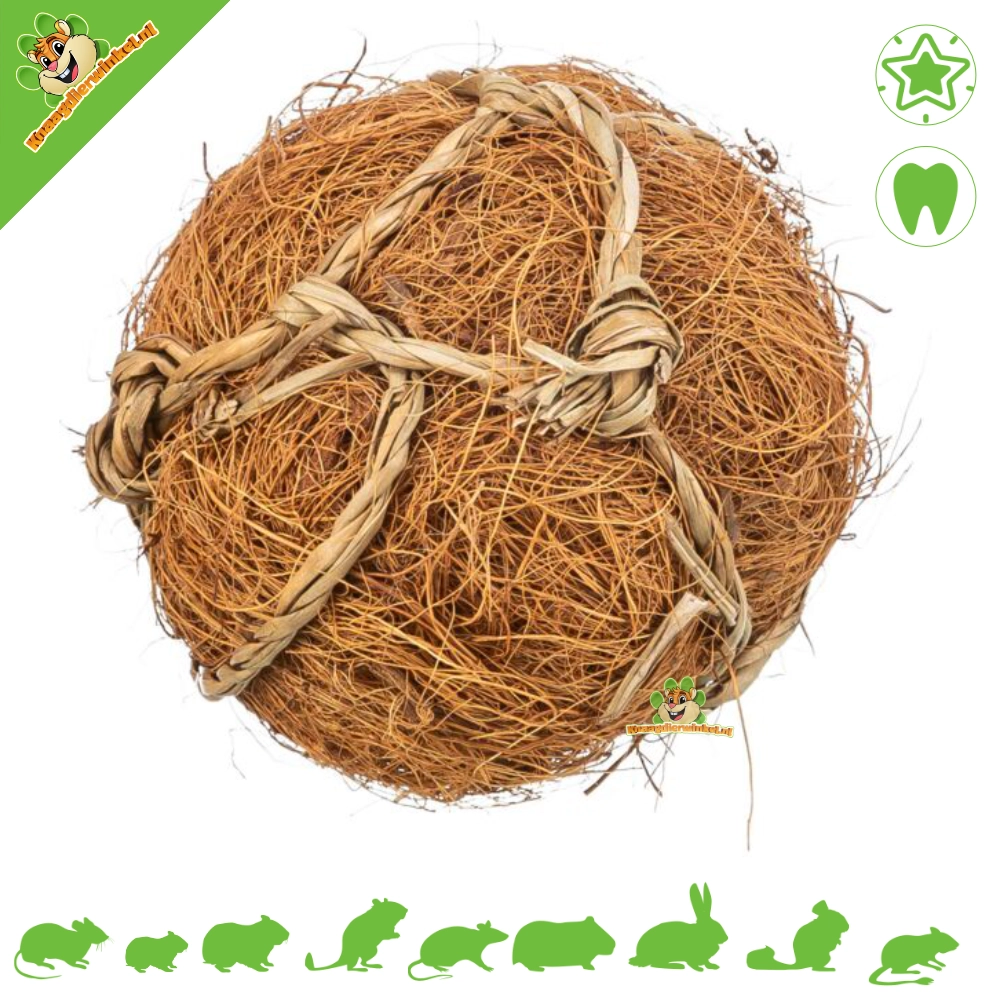
Trixie Coconut Play Ball 6 cm for rodents & rabbits
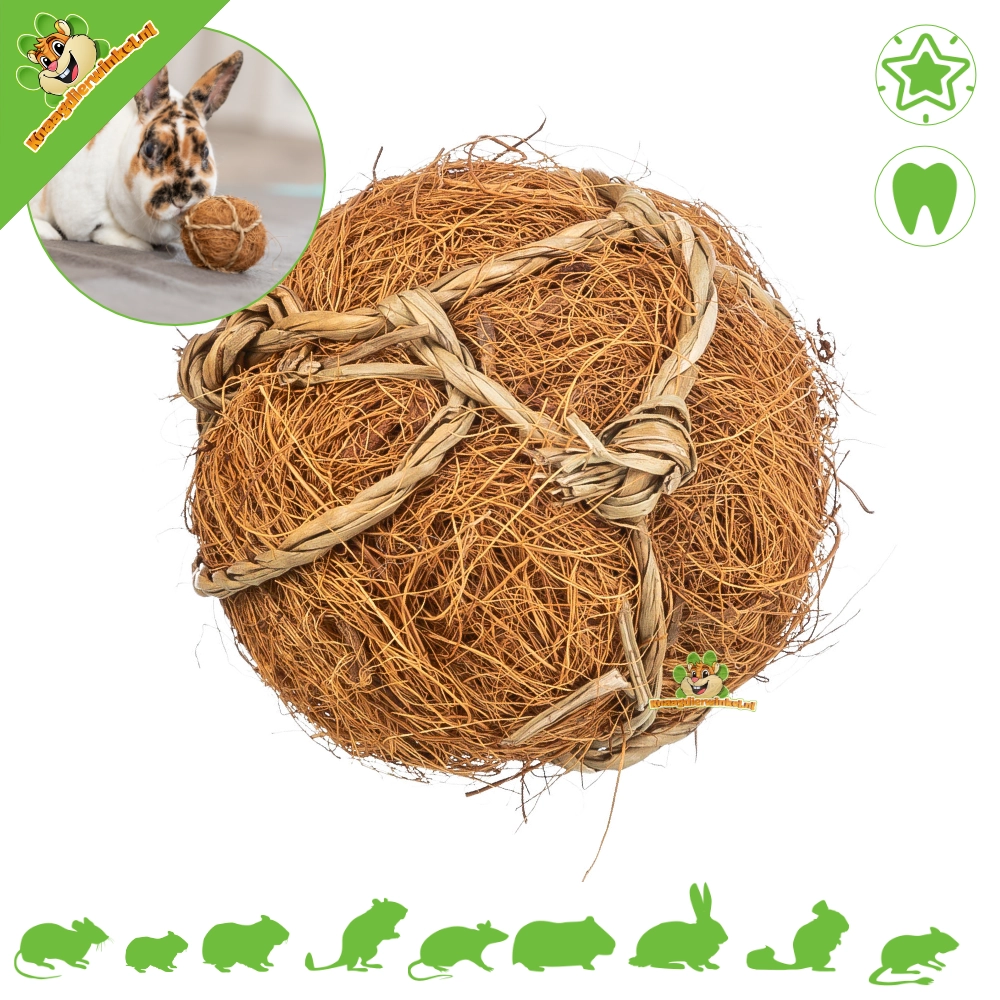
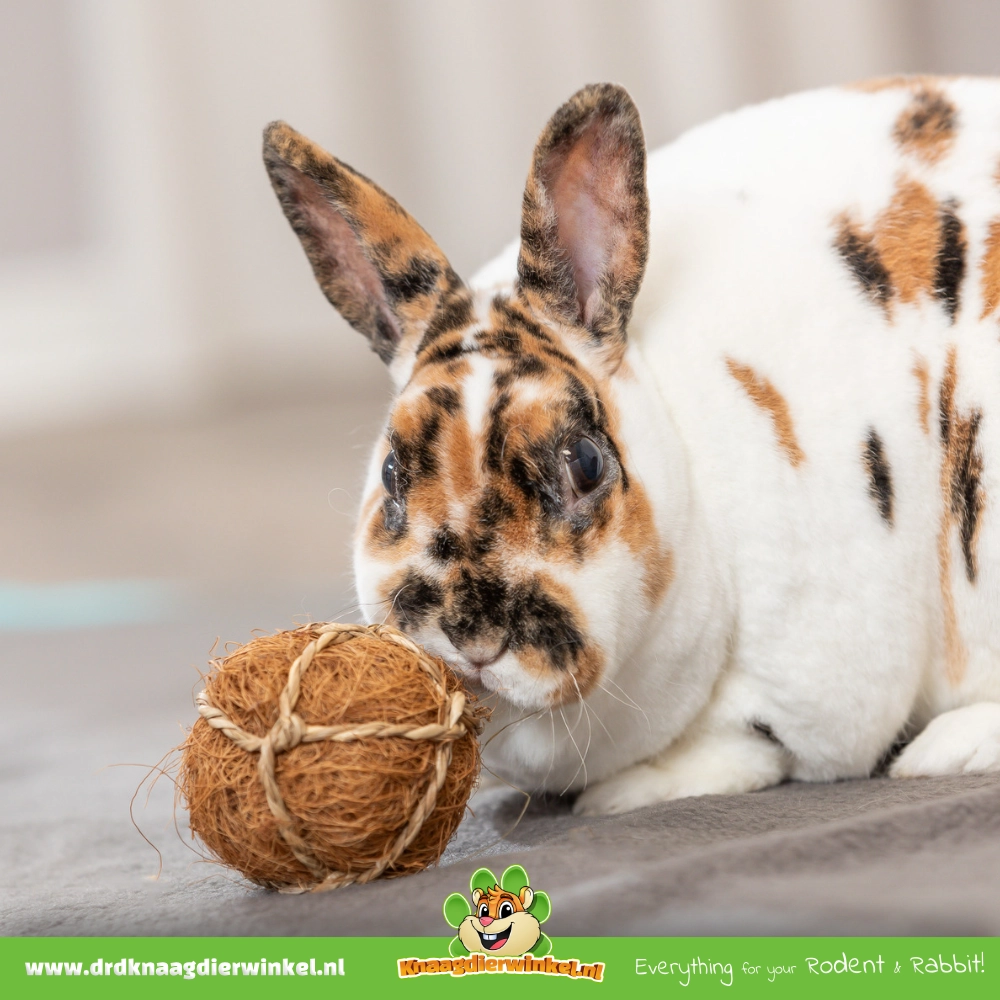
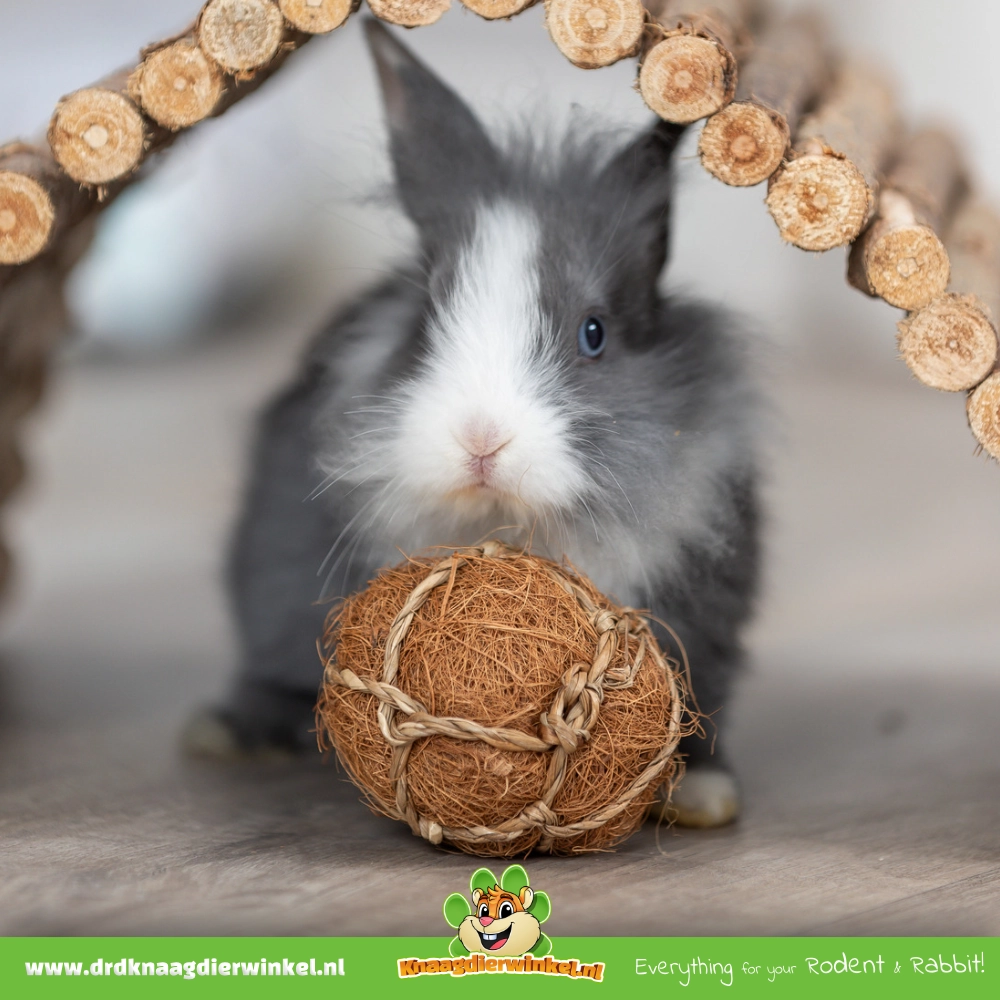
The Trixie Coconut Play Ball 6 cm is a natural play ball for animals that love to gnaw, roll, drag, explore, and destroy. The ball is made of coconut and seagrass, giving it an interesting fiber structure that many rodents respond to with curiosity. Due to its compact size, this toy is easy to place in the enclosure, hide among hay, or use as a small enrichment in a natural setup.
When it comes to toys, DRD always considers their function within the enclosure. This coconut ball is not only a fun standalone toy, but also a small stimulus that invites your animal to be active. Small animals such as mice, dwarf hamsters, hamsters, and gerbils can investigate the ball, gnaw on it, or use the fibers as natural nesting and shredding material. Larger animals such as rats, guinea pigs, rabbits, chinchillas, and degus primarily use the ball as a gnawing, rolling, and destroying toy.
In short
- Made from coconut and seagrass
- Compact size of approx. 6 × 6 cm
- Diameter approx. ø 6 cm
- Fun to gnaw, roll, drag, pluck, and destroy
- Suitable for both small and larger rodents, depending on use.
- Specialist since 2011: carefully selected for natural play behavior
Advantages of the Coconut Play Ball
✔ Made from natural materials: coconut and seagrass
✔ Compact, lightweight and easy to roll or move
✔ Stimulates gnawing, destroying, rolling, and exploring
✔ Interesting fiber structure for small rodents
✔ Fun as a natural play element in an enclosure or run
✔ Combines nicely with balls and rolls for rodents
Why choose a coconut play ball?
A play ball doesn't have to be complicated to add value. In fact, a small, natural object that an animal can explore, move, or take apart on its own fits well with daily enrichment behavior. This coconut play ball provides texture, scent, movement, and the possibility to destroy it all in one compact toy.
The combination of coconut and seagrass makes the ball interesting for various animals. Coconut fiber can be plucked, pulled apart, and examined. Seagrass provides extra firmness and a natural outer structure. This makes the toy suitable for animals that like to nibble, but also for animals that mainly roll, push away, or take toys to a favorite spot.
For hamsters and gerbils, the coconut ball fits well into a natural setup, for example in hamsterscaping or gerbilscaping. You can place the ball partially in the bedding or near a foraging area. For rats and pygmy rats, it is a small destroying and exploration toy within an active cage or for Ratscaping . For guinea pigs and rabbits, it is primarily a compact gnawing and rolling toy alongside hay, tunnels, and other natural enrichment materials.
For which animals is the Coconut Play Ball suitable?
- Mouse: suitable as a natural play, destructive, and nesting material object. Mice can examine the ball, pluck at it, and use the fibers in their furnishings.
- Dwarf hamster: suitable as a small natural enrichment toy. Place the ball low in the enclosure, for example between bedding, moss, cork, or other natural decorations.
- Hamster: suitable as a gnawing, rolling, and exploration toy. For Syrian hamsters, it is primarily a compact supplementary toy in a larger setup.
- Gerbil: suitable as a destruction and gnawing toy. Gerbils can work enthusiastically on coconut and seagrass, which means the ball may show signs of wear more quickly.
- Dwarf rat: suitable if the size fits your dwarf rat well. Because dwarf rats can vary in size, it is wise to observe how your animal uses the ball.
- Rat: suitable as a small play and destruction element. Rats can roll, move, investigate, or use the ball in a sniffing and play zone.
- Guinea pig: suitable as a compact chew and sniff toy. Place the ball near the hay corner or in a quiet play area for extra variety, for example.
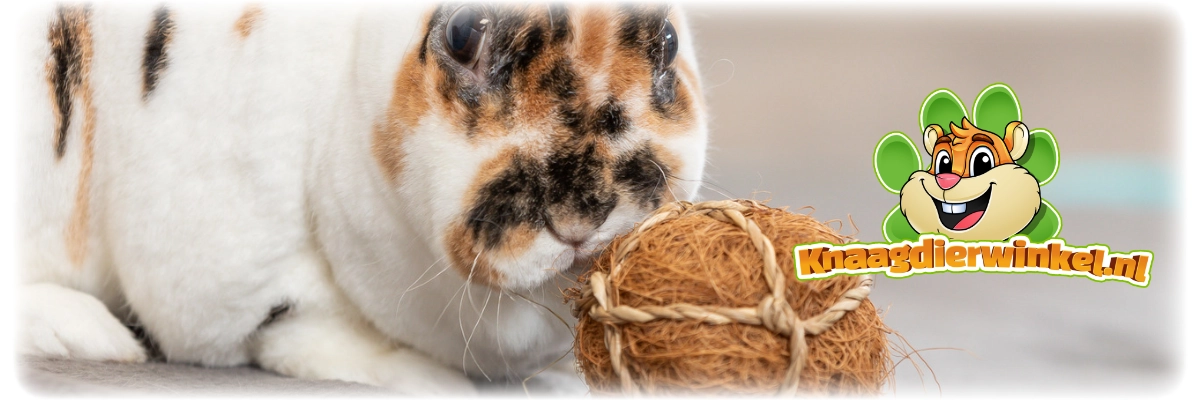
- Rabbit: suitable as a small rolling and chewing ball. For adult rabbits, 6 cm is a compact size, so feel free to combine it with larger rabbit toys .
- Chinchilla: suitable as a natural gnawing and destruction toy. Offer the ball dry and check regularly for wear.
- Degu: suitable as an active gnawing and destructive element. Degus can enthusiastically destroy things, allowing the ball to be taken apart more quickly.
How do you use the coconut play ball?
Place the coconut play ball loosely in the enclosure, run, or play corner. Your animal can then discover the ball on its own. Some animals roll it around the enclosure, while others mainly gnaw on the seagrass structure or pull at the coconut fibers. That is normal for natural toys: they are meant to be used and will eventually wear out on enthusiastic animals.
You can also partially hide the ball in bedding, hay, or other natural material. For hamsters, mice, and gerbils, this makes searching more interesting. For guinea pigs and rabbits, a spot near the hay corner often works well. For rats and dwarf rats, you can use the ball in a digging box, sniffing zone, or on a platform, together with other shredding toys or gnawing material .
Would you like to offer more variety? Then alternate this coconut ball with willow toys, seagrass products, cardboard toys, tunnels, and foraging toys. By rotating different materials, the enclosure remains interesting without having to put everything out at once.
Material & dimensions
- Material: coconut and seagrass
- Dimensions: approx. 6 × 6 cm
- Diameter: approx. ø 6 cm
- Brand: Trixie
- Use: gnawing, rolling, dragging, destroying, plucking, and natural enrichment
Coconut and seagrass both have a natural fibrous structure. As a result, animals can nibble, pull, and pluck at them. Gnaw marks, loose fibers, and wear are inherent to this type of toy. Therefore, view the coconut ball primarily as consumable enrichment that may be actively used.
Good to know
Offer the play ball under supervision and check regularly for wear, loose parts, or damage. Is the ball being pulled apart too much, becoming very dirty, or are long loose fibers forming? If so, remove it from the enclosure and replace it in time. The Coconut Play Ball is intended as play, gnawing, and enrichment material, not as a substitute for daily food or hay.
Preferably place the ball in a dry spot in the enclosure. If it gets wet or is used as litter, remove it. This keeps the enclosure fresh and the toy pleasant to use.
Frequently asked questions about the Coconut Play Ball
Is the Coconut Play Ball suitable for hamsters?
Yes, the coconut play ball is suitable as a small, natural play and gnawing object for hamsters. Place it low in the enclosure and use it, for example, near the foraging area or among natural decorations.
Can mice use the coconut fibers?
Yes, mice can examine the ball and pull at the fibers. However, check regularly to ensure no long loose threads are forming and replace the ball when it has been unraveled too much.
Is the ball suitable for gerbils?
Yes, gerbils can use the ball as a gnawing and destruction toy. Because gerbils are avid destroyers, the ball may wear out faster. This is consistent with the function of this product.
Can my rabbit play with this?
Yes, rabbits can roll the ball, push it away, and nibble on it. Due to its compact size, it is primarily a small play session alongside larger toys, tunnels, and foraging material.
Is the coconut play ball edible?
The ball is made of coconut and seagrass and animals are allowed to nibble on it, but it is intended as a toy and for enrichment. It does not replace daily food or hay.
When do I need to replace the ball?
Replace the ball when it is too worn, has become very dirty, or develops long, loose fibers. This can happen more quickly with avid destroyers like gerbils and degus than with calm animals.
Useful shopping links
- Balls and rolls for rodents
- Destruction toys for rodents
- Chewing material
- Hamster playing & foraging
- Guinea pig toys
✔ Coconut and seagrass
✔ For gnawing, rolling, plucking, and destroying
✔ Specialist since 2011 • personal & expert advice • delivered from our own stock

| Material: | Coconut | Seagrass |
| Dimensions (approx): | 6 x 6 cm |
| Diameter (approx): | ø 6 cm |
| Suitable for: | Rodents, Mouse, Dwarf Hamster, Hamster, Gerbil, Rat, Guinea Pig, Rabbit, Chinchilla, Degus |
| Particularities: | - |
| Safety Information: | Offer only under supervision. Check regularly for wear and tear |