 Polski

Sugar Glider information & care: housing, food, temperature, furnishings and safety
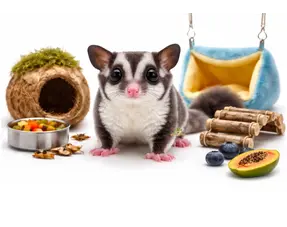

Sugar Glider information – all about care, housing and nutrition
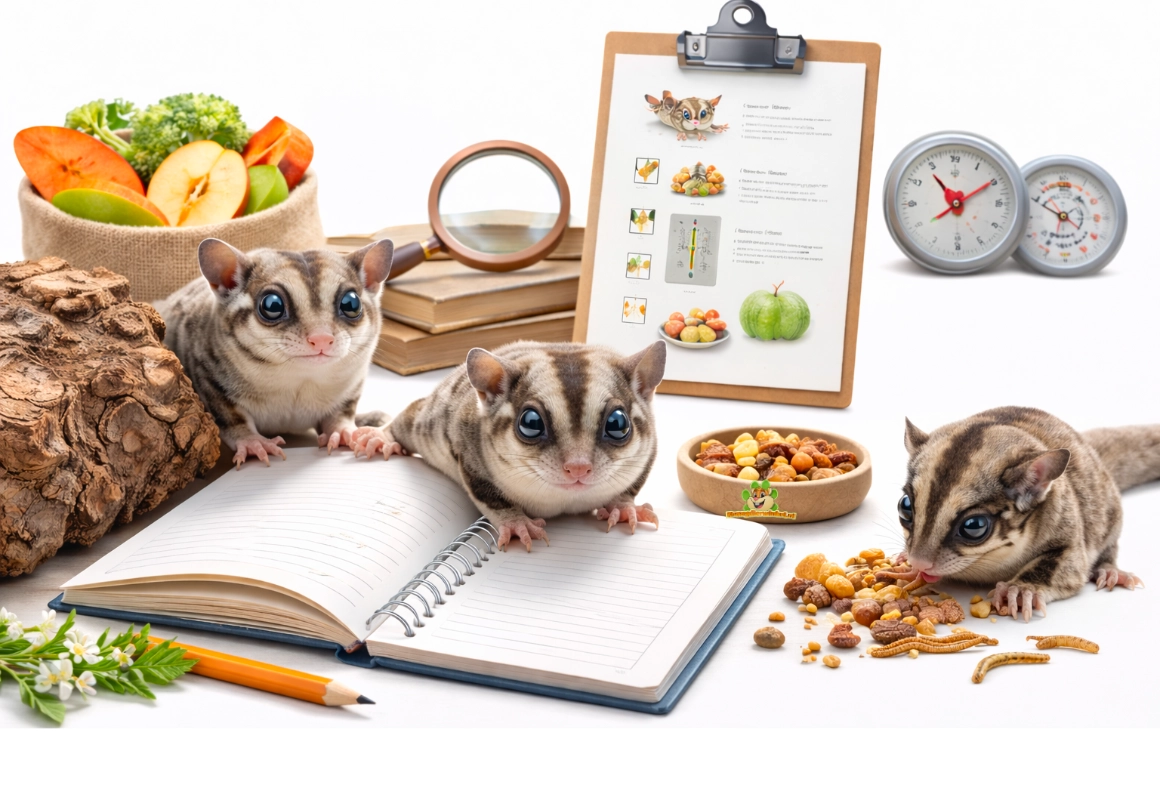 The Sugar Glider is a small, nocturnal marsupial with a distinctly social nature. They are curious, intelligent, and can form a strong bond with their caregivers, but they do require a specialized approach: a safe, elevated enclosure, plenty of enrichment, and, above all, a balanced diet. This information page provides a practical overview of the most important basics: group & behavior, housing, climate, nutrition, furnishings, maintenance, and frequently asked questions. DRD Rodent Shop® has been a specialist since 2011 and is happy to help you make responsible choices.
Directly to the range: Sugar Glider · Sugar Glider Food & Snacks
Quick to:
Sugar Glider checklist (good basis)
- ✓ Do not keep Sugar Gliders alone : they are very social animals.
- ✓ Choose a high, safe enclosure with plenty of climbing and jumping routes.
- ✓ Provide nesting bags/sleeping places and several resting places.
- ✓ Nutrition is specialized: work with a fixed, balanced nutritional plan (nectar/protein/fruit-vegetables) and be consistent.
- ✓ Provide daily enrichment : foraging, climbing, and safe toys/natural materials.
- ✓ Check behavior, appetite, and stool daily; if in doubt, consult a veterinarian with exotic animal experience.
✓ Social & night-active
Expect activity in the evening/night and plan your stay accordingly (rest during the day, activity in the evening).
✓ Safe high stay
Climbing, jumping and gliding require height, grip, hiding places and safe materials.
✓ Diet is crucial
An unbalanced diet can quickly lead to problems. Choose a consistent diet and stay consistent.
Character & daily rhythm: smart, curious and especially active in the evenings
Sugar gliders are nocturnal: during the day they prefer to sleep in a nest bag or enclosed sleeping area, and in the evening they come out of bed. They can become very people-oriented, but stress sensitivity is a concern: too little rest, unsafe surroundings, or a changing diet can cause problems. Rest, routine, and a safe environment usually yield the greatest benefits.
Keep together: absolutely recommended
Sugar Gliders are highly social and thrive in (small) groups. Keeping them alone doesn't suit their social nature and can cause stress and unwanted behavior. If you have more than one animal, provide extra space, multiple feeding stations, and sufficient sleeping areas to reduce competition.
Housing: high, safe, many routes and hiding places
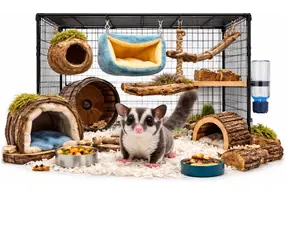
A suitable enclosure for Sugar Gliders is primarily high and cleverly designed: climbing branches, ropes, platforms, nesting bags, and foraging areas. Pay extra attention to safety: no gaps where legs can fit, no sharp edges, and no materials that easily break or splinter.
Safety focus (practical):
- ✓ Multiple sleeping places so they can choose and have peace and quiet.
- ✓ Grip & routes : ropes, branches and platforms, stably attached.
- ✓ Check wear and tear : regularly check buttons, edges and fastenings.
Temperature, draft & humidity
Sugar gliders prefer a stable environment. Avoid drafts, large temperature fluctuations, and direct sunlight. Choose a quiet spot in your home where they can sleep during the day and be active in the evening without stress.
Nutrition: solid structure with protein and variation
Diet is the most specialized part of Sugar Glider care. In the wild, they eat tree sap/nectar, insects, and plant parts, among other things. At home, it's all about a consistent feeding plan with a solid foundation and controlled variation. Choose products that are suitable for Sugar Gliders and preferably feed according to a clear structure (don't alternate randomly).
Practical nutritional principles:
- Consistency : fixed times and a fixed structure of the meal.
- Protein : often via suitable insects/protein sources (appropriate and hygienic).
- Variety : controlled, appropriate to the chosen nutritional plan.
- Always fresh water : change daily.
View all food and treats in: Sugar Glider Food & Snacks .
For general background information on pet care, you can also consult the LICG .
Enrichment: encouraging climbing, foraging and safe gliding
Enrichment isn't a luxury for Sugar Gliders; it's a necessity. Combine climbing elements with foraging challenges (searching/working for food) and provide safe materials. Change things up regularly, but don't change everything at once (that can be stressful).
Maintenance & hygiene (practical)
- ✓ Daily: check feeding/drinking areas, remove leftovers, visually inspect nesting area.
- ✓ Weekly: clean dirty areas, wash textiles (nesting bags/hammocks) according to material recommendations.
- ✓ Periodically: clean thoroughly without aggressive agents; let everything dry thoroughly.
Sugar Glider categories (shop)
All Sugar Glider products we currently offer can be found in our main category. Food and treats are grouped in the subcategory "Sugar Glider Food & Snacks."
✓ Main Category Sugar Glider
View the complete Sugar Glider range and all available subcategories here.
✓ Sugar Glider Food & Snacks
All food and rewards we offer for Sugar Gliders – clearly presented.
Frequently Asked Questions about Sugar Gliders
Are Sugar Gliders suitable for beginners?
They're incredibly fun and interactive, but they require a specialized approach: social housing, a safe, high-altitude enclosure, and, above all, a consistent feeding plan. If you're willing to put in the necessary research and feed consistently, things can go well.
Should Sugar Gliders be kept together?
Yes, almost always. Keeping them alone doesn't suit their social nature and can cause stress and problem behavior.
What is the most important thing in nutrition?
Balance and consistency. Choose products that are suitable for Sugar Gliders and follow a clear structure for feeding. Avoid random feeding without a plan.
Can Sugar Gliders play during the day?
They usually sleep during the day. Respect their rhythm and schedule interactions in the evening, when they become active naturally.
Tip: Want personalized advice? DRD Rodent Shop® has been a specialist since 2011 and is happy to help you with housing, furnishings, and food.
✓ Carefully selected range for responsible farming
✓ Specialist selection assistance since 2011
✓ Practical tips for nutrition, enrichment and safe housing

