 Polski

Rodent & Rabbit Herbs – Flowers, Leaves, Branches & Pellets


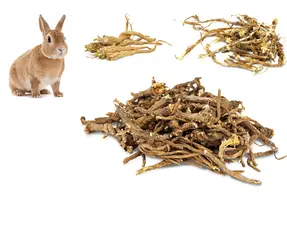
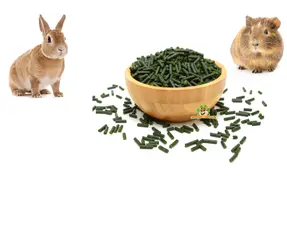
You can order Rodent & Rabbit Herbs quickly and easily at DRD Rodent Shop ®
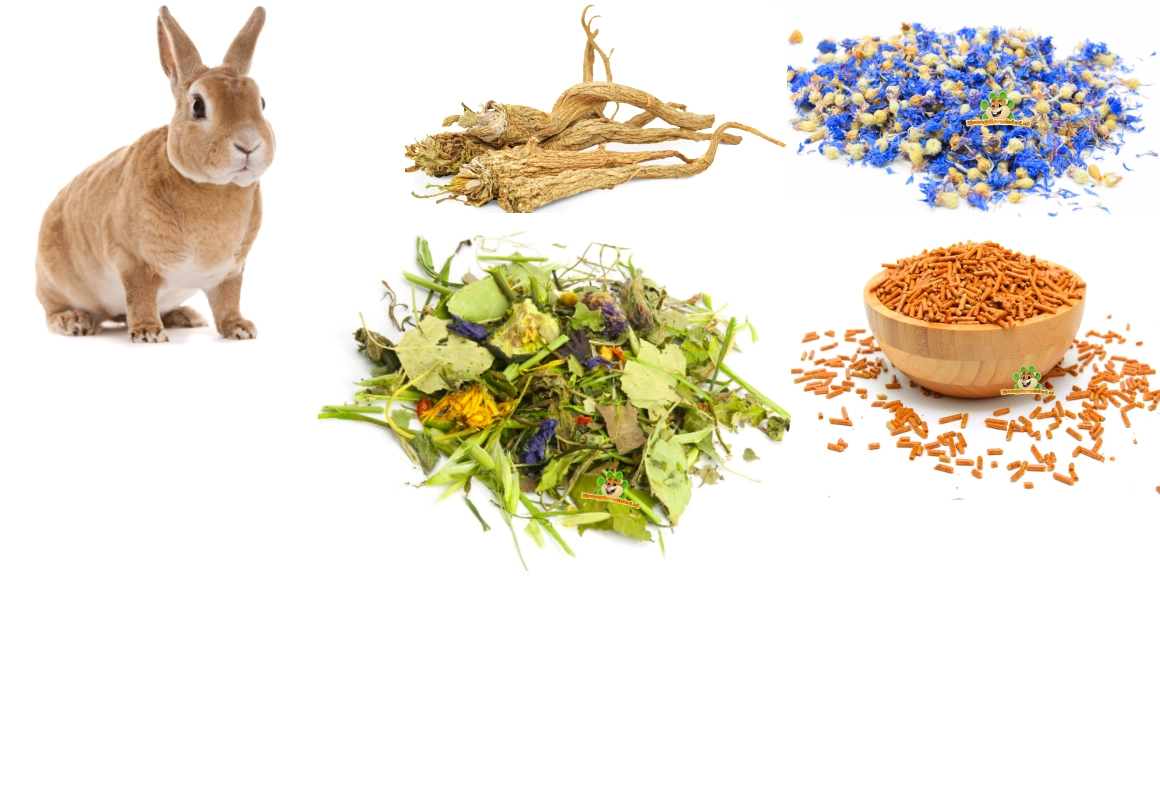 Herbs are a great way to add variety and foraging fun to the daily menu and to the habitat. At DRD Rodent Shop® (specialist since 2011), you'll find a carefully selected assortment of dried flowers, leaves, branches & stems, herbs & roots, and herb pellets.
You can use herbs in various ways: as a supplement, as a scattering agent for foraging, or as natural enrichment in a foraging area. This way, you can make feeding a little more interesting without making it complicated.
Scatter and hide for natural searching behaviour.
Flowers, leaves and stems provide variety.
Suitable for herbivores and granivores/omnivores (with appropriate dosage).
Clear information and useful selection aid per subcategory.
Subcategories within Rodent & Rabbit Herbs
For nibbling fun and structure; beautiful in a foraging corner.
View Branches & Stems →
Herbal mixes and individual items as a supplement and enrichment.
View Herbs & Roots →
Which animals are herbs suitable for?
- Rabbits & guinea pigs (herbivores): Herbs are often used as a supplement and forage enrichment in addition to the basic diet.
- Hamsters, mice, gerbils & rats (granivore/omnivore): herbs are mainly enrichment (sprinkle/hide) and provide variation in scent and structure.
- Chinchillas & degus: offer herbs consciously and in appropriate doses; choose a simple and concise presentation.
Tip: Want to combine herbs with a foraging setup? Also check out Food and (for scaping/foraging) Rodent Plants .
How do you use herbs in your daily routine?
- Sprinkle: Sprinkle a small amount through the ground cover for natural searching behavior.
- Hiding: Make a foraging corner with leaves/flowers and hide small pieces in between.
- Mixing: mix a little with the daily food (or put it separately in a bowl) for variety.
- Pellets: handy if you prefer exact dosing or want to provide a quick "herbal supplement".
Herbs are intended to supplement and enrich, not replace, your regular diet. Therefore, always check the product information and what works best for your pet on a regular basis.
Checklist: how to choose the right herbs
- Purpose: foraging (scattering/hiding), supplementation or scaping/structure.
- Type: flowers (mood/scent), leaves (scatter), branches/stems (nibble/structure), herbs/roots (mix/supplement), pellets (dosable).
- Build up: Introduce new items slowly and one at a time.
- Dosage: Start small and see how it is eaten.
- Storage: dry, closed and out of the sun for optimal quality.
Safety
- Build up slowly: don't change too much at once when introducing something new.
- Small amounts: herbs are a supplement; don't overdo it.
- Please note moisture: it is best to remove herbs that become wet (e.g. from water/urine).
- Only suitable products: do not use unknown (garden) herbs or wild harvested herbs without prior confirmation.
FAQ Rodent & Rabbit Herbs
What is the difference between flowers, leaves and herbs?
Flowers are often chosen for scent and atmosphere, leaves are ideal for scattering and hiding, and herbs/roots are usually mixes or individual additions.
Are herb pellets the same as herb mixes?
Herb pellets are especially practical and easy to measure. Herb mixes are often lighter and particularly suitable for spreading to encourage foraging.
Can I give herbs every day?
This can often be a good supplement, provided you use small doses and it's appropriate for the animal species and overall diet. Feel free to vary and gradually increase the intake.
