Polski

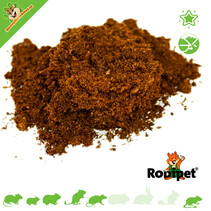
Sand for rodents & rabbits: sand baths, digging sand and desert sand





- Voor 17 uur besteld, dezelfde dag verzonden!
- Specialist sinds 2011
- Delivery from our own stock




- Voor 17 uur besteld, dezelfde dag verzonden!
- Specialist sinds 2011
- Delivery from our own stock


Sand for rodents and rabbits
 For many animals, sand is more than just "bedding material." You can use it for sand baths (for grooming), for digging pits or burrows, and for natural settings like desert or terrarium setups. At DRD Rodent Shop® (specialists since 2011), you'll find various types of sand with clear explanations, making it easy to choose the right one for your animal and your situation.
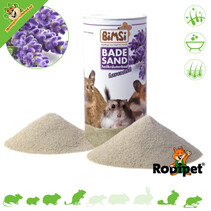
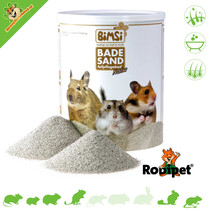
For animals that like to roll and keep their fur “airy”, such as chinchillas and degus.
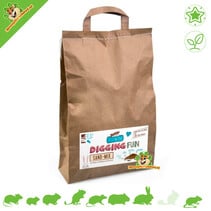
Digging sand/cave sand is ideal for digging buckets, digging corners and natural behaviour.
Well-thought-out range, fast delivery from our own stock and practical selection assistance.
Why sand?
Sand helps make the enclosure richer and more varied. For many animals, it's a must-have for a sand bath, while others primarily use it for digging, sniffing, or playing.
- Sand baths support grooming behavior (rolling, “grooming,” and comfort).
- Digging and rooting stimulates natural behavior and provides mental challenge.
- With sand zones you can arrange your accommodation in a clear and practical way.
- Decorative sand (such as desert sand) is popular for natural themed decor.
What types of sand can you find here?
In this category, you'll find sand for various purposes. Below, you'll find the most commonly used varieties, with helpful links to related pages.
- Chinchilla sand/bathing sand – for sand bathing and grooming. See also #chinchillasand .
- Sepiolite – often chosen for its fine texture and practical use. See #sepiolite .
- Zeolite (volcanic) – popular for firm, mineral-rich sand varieties. See #zeolite / volcanic ash .
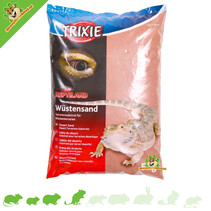
- Desert sand/terrarium sand – for natural décor and themes. See #desertsand .
- Digging sand / cave sand – for buckets, digging corners and tunnel work.
Selection aid per animal
Not every animal uses sand in the same way. Below you can see what often works well in practice.
- Chinchillas ( see chinchilla ): a sand bath is a standard part of the routine. Find suitable options via #chinchillazand . If you prefer using additional products, you can also consider Witte Molen Chinchilla Fungi Stop (always follow the product information).
- Degus ( view degu ): Sand baths are often offered daily, depending on behavior and preference.
- Hamsters ( see hamster ): a sand bath is usually a permanent area in the enclosure. You can find practical help choosing a suitable hamster here: hamster sand & sand bath .
- Gerbils ( view gerbil ): many gerbils like a sand area for rolling and "dusting"; digging also remains important.
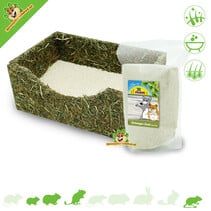
- Rabbits ( see rabbit ): Rabbit sand baths aren't standard, but a digging box/sandbox can be a nice enrichment. See: rabbit digging box .
Use & zones in the residence
It works best if you offer sand as a separate zone. This keeps things organized and allows you to easily refresh it when necessary.
- Sand bath area: Place the bath on a stable surface and keep the sand dry and clean.
- Digging zone: use a large area/corner where your pet can safely dig and rummage (preferably a separate digging area for rabbits).
- Themed decor: Desert or terrarium sand is especially popular for a natural look and feel. Get inspiration from #desertsand .
Checklist: how to choose sand that fits
- Is the sand intended for a sand bath, a digging bucket or decoration/furnishings?
- Does the structure suit your animal (rolling in sand vs. digging hard)?
- Do you work with a separate sand zone so that you can easily keep it clean?
- Are you combining it with ground cover? Then also see Ground cover & nesting material .
Hygiene & maintenance
- Remove visible dirt (droppings/damp spots) from sand areas daily.
- Change the sand whenever it becomes damp or feels “sticky.”
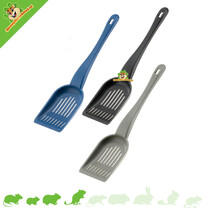
- Preferably use a sieve/scoop for quick daily maintenance rounds.
- Store sand dry and well sealed so that it stays clean.
Safe use
- Use sand in a box or fenced off area to keep the enclosure tidy and manageable.
- Change the sand immediately if it becomes wet; wet sand does not belong in a sand bath.
- Be careful with young or very enthusiastic diggers: offer sand in a stable manner and prevent heavy items from shifting.
- Do you notice irritation in your eyes/nose or unusual behavior around sand? Pause the sand and see if a different type of sand or approach is more suitable.
Frequently asked questions about sand
Does every animal need a sand bath?
No. For chinchillas and degus, a sand bath is often part of the basic routine. For hamsters, a sand zone is usually very desirable. Rabbits use sand more often as a digging enrichment (digging box) than as a "bath."
How often should I change the sand?
That depends on use and soiling. Remove visible dirt daily and replace it as soon as the sand becomes damp or no longer feels fresh.
What is useful for a hamster: a sand bath or a sandbox?
In practice, a separate sand bath zone works best. Here's an overview with tips: hamster sand & sand bath .
Can I use desert sand in a backhoe bucket?
Desert sand is often chosen for design/theme. For active digging, many people prefer a type of sand specifically designed for that purpose. Find inspiration at #desertsand .