 Polski

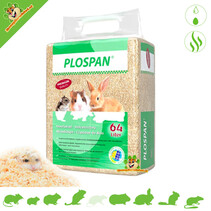
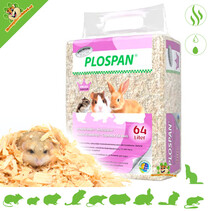
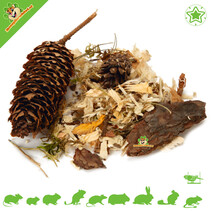
Wood Bedding (Wood Fiber & Beech Chips) for Rodents and Rabbits


- Voor 17 uur besteld, dezelfde dag verzonden!
- Rodent specialist since 2011
- Dispatched from our own stock
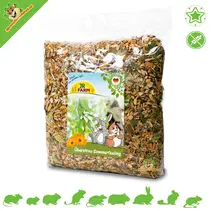
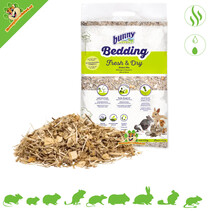
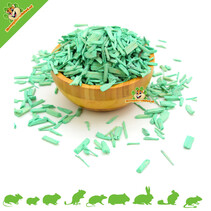
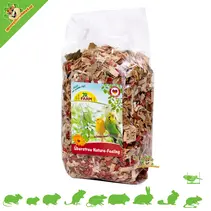

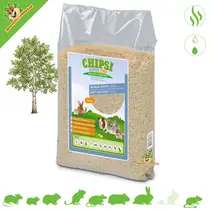

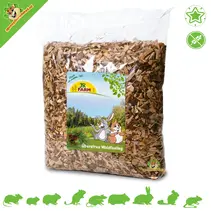
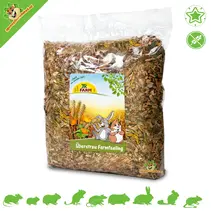
Wooden ground cover for rodents and rabbits
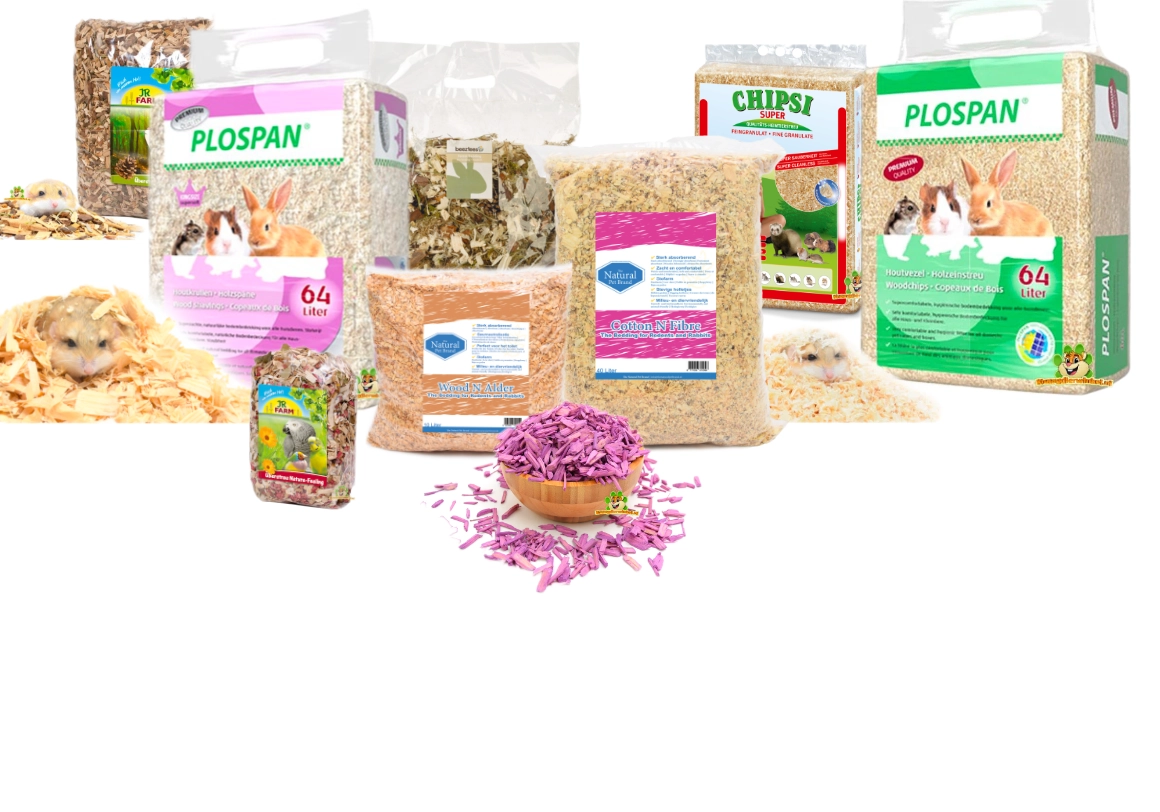 Wood bedding such as wood fiber, beech chips, and plospan is popular because it's practical, absorbs moisture well, and helps keep the enclosure clean. Many owners use it as a good base layer for rabbits, guinea pigs, and all kinds of rodents. At DRD Rodent Shop® (specialists since 2011), you'll find a well-thought-out selection and clear selection guides, so you can quickly find the right match for your pet and your enclosure.
Useful as a base layer, helps tackle wet spots faster and keeps the living area tidy.
From soft wood fibers to sturdy beech chips: choose what suits your animal and your decor.
Fast delivery from our own stock and assistance with combining, layering and maintenance.
Why choose wood decking?
- A great base for many stays: easy to refresh and keep clean.
- Good moisture absorption, allowing wet spots to be removed quickly.
- Choice of coarse/fine: from airy wood fibre to robust chips.
- Suitable for combining with other ground coverings for more comfort or digging options.
Types of wood decking
In this category you'll find several variations. This will help you choose:
Soft and airy, pleasant as a ground filler and ideal for daily maintenance.
Stronger and more stable. Popular in toilet corners or as a base layer where you want less "rocking."
A well-known type of wood that is often chosen as a practical base for the residence.
Selection aid per animal species
- Rabbits : Wood fibre or (beech) chips often work well as a base, especially in combination with a clear toilet area and good maintenance.
- Guinea pigs : choose a fine, low-dust variety and use fixed pee areas or a base (useful in a C&C or run).
- Mice and rats : choose a quiet, clean substrate and refresh wet areas promptly.
- Hamsters and gerbils : wooden bedding can be used as a base layer, but in real digging enclosures it is often better if you combine it with material that "grabs" better.
- Chinchillas and degus : choose a solid base and check regularly for soiling around regular eating and urinating areas.
Combining & layering
Wood decking is often the strongest as a base. You can combine it practically:
- More comfort or nesting behaviour: combine with nesting material .
- More structure: mix with paper & cardboard .
- Dealing with wet areas smartly: use an underlay or mats and pee pads in the toilet corner.
- Variation in the habitat: combine with straw (as a supplement) or a sand zone made of sand where appropriate for your animal species.
How much ground cover do you need?
Handy formula for liters (L): (L × W × layer thickness in cm) ÷ 1000
Measure the interior dimensions of your accommodation (length L and width W in cm).
- Choose the layer thickness that suits your animal and decor.
- Work in zones: a thicker play/dig zone and a practical toilet corner.
- It is better to fill it a little more generously; refilling is normal in active habitats.
- Combine materials for better structure and comfort.
Example: accommodation 100 × 50 cm with 10 cm layer
(100 × 50 × 10) ÷ 1000 = 50 liters
| Residence size | 10 cm | 15 cm | 20 cm | 30 cm |
|---|---|---|---|---|
| 80 × 40 cm | 32 L | 48 L | 64 L | 96 L |
| 100 × 40 cm | 40 L | 60 L | 80 L | 120 L |
| 100 × 50 cm | 50 L | 75 L | 100 L | 150 L |
Want to see and combine more? Go to Ground Covering & Nesting Materials .
Checklist: how to choose well
- Does the structure suit your animal: soft (wood fibre) or firmer (chips)?
- Is the product easy to change and does it stay neat?
- Does it smell neutral and feel dry?
- Do you work with zones (play/dig vs. toilet corner) to reduce waste?
- Want more comfort or structure? Combine with paper/cardboard or nesting material.
Hygiene & maintenance
- Remove wet spots and droppings regularly (preferably daily from toilet areas).
- Refresh partially as needed; how often depends on the animal, enclosure size, and layout.
- Keep the soil dry: tackle damp corners more often and, if necessary, use an underlayment.
Safe use
- When changing, check for hard bits and scoop them out.
- Remove wet spots immediately so that the soil remains pleasantly dry.
- For avid diggers, use a layer build-up that remains stable (combining often helps).
- Check toilet bowls and accessories for wear and tear; a fixed toilet bowl makes a big difference.
More ground cover & nesting material
Frequently asked questions about wood decking
Is wood fiber the same as sawdust?
In practice, "sawdust" is often used as a general term for wood decking. The difference lies mainly in the structure: wood fiber is softer and airier, while sawdust is firmer.
What is the difference between wood fiber and beech chips?
Wood fiber is comfortable and lightweight; beech chips are more robust and often stay put better. Chips are also often used in toilet corners.
Can I combine wood decking with other decking?
Yes. A wooden base with paper, cardboard, or nesting material on top often provides a more pleasant feel and more structure.
How often should I change?
Wet areas and toilet areas should be cleaned daily; otherwise, refresh as needed. How often depends on the animal species, enclosure size, and layout.
Need help choosing?
Feel free to contact us via our service page — we're happy to help.
