 Polski

Tubes & Tunnels for Rodents & Rabbits – Hiding, Running & Enrichment

- Voor 17 uur besteld, dezelfde dag verzonden!
- Rodent specialist since 2011
- Dispatched from our own stock


- Voor 17 uur besteld, dezelfde dag verzonden!
- Rodent specialist since 2011
- Dispatched from our own stock
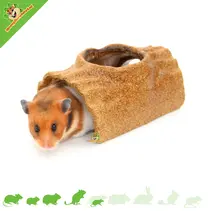
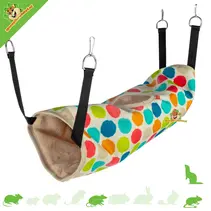

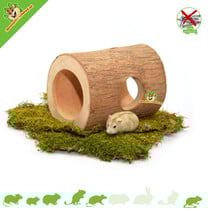
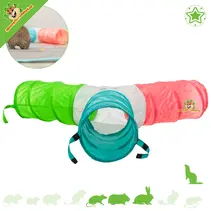
Tubes & Tunnels: hide, run and explore
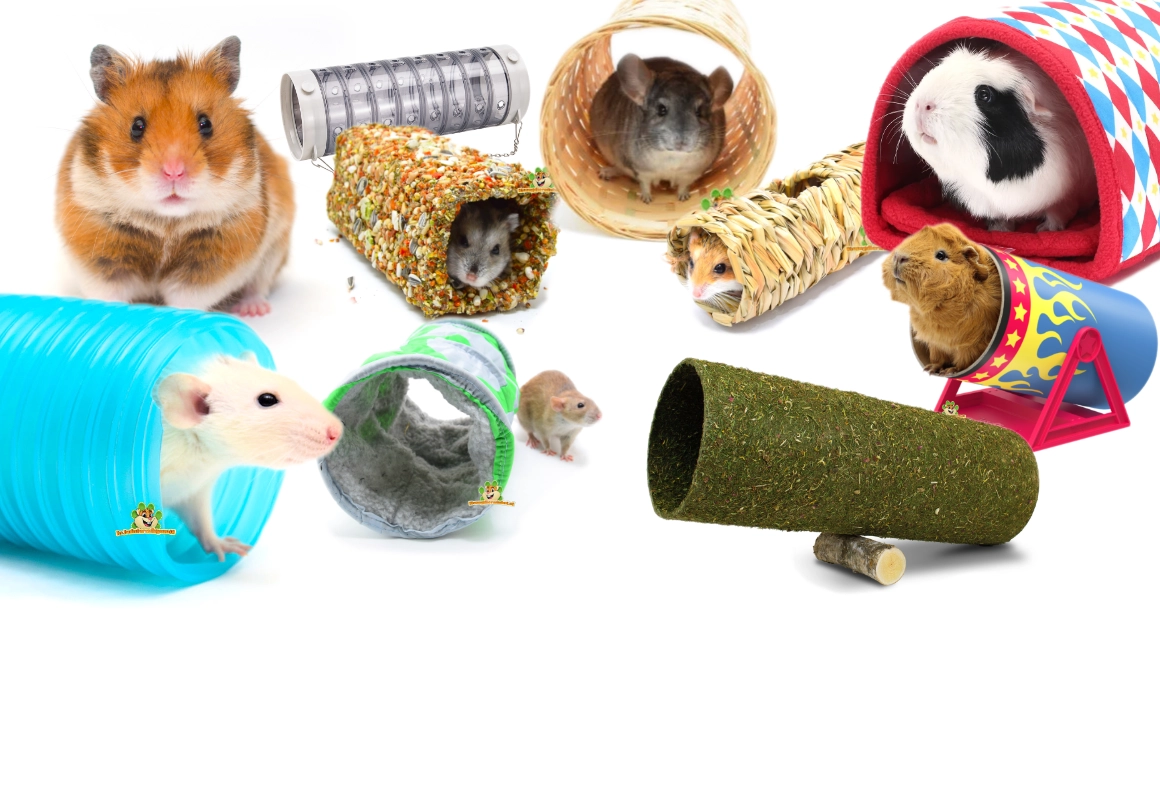 Tunnels and tubes are one of the most fun (and logical) forms of cage design. In the wild, many rodents create tunnel systems for shelter, routes, and safe rest. A good tunnel allows this behavior to take root in the enclosure – and you'll see it reflected in their enthusiasm: sprints, hide-and-seek games, "crawls," and moments of retreat.
At DRD Rodent Shop®, you'll find a carefully selected range of tunnels in various materials and sizes—from cork and terracotta to hay/grass, wood, and sturdy plastic. This makes it easy to choose the right one for your pet and your home. Specialists since 2011 .
- Hiding places that provide peace
- Routes to run and explore
- More variety without being “busy”
- Suitable diameter prevents clamping
- Terracotta/ceramic is nice and robust
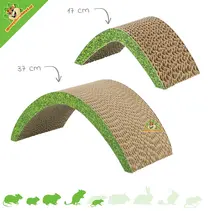
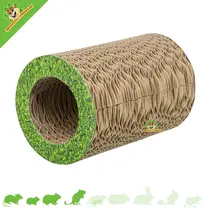
- Cork and hay/grass give a natural look
- Combine with houses, bridges and plateaus
- Make several "passages" in the enclosure
- Works ideally with ground cover and digging zones
Why tunnels make such a difference
A tunnel is more than just "something fun": it's a piece of landscaping that can be many things at once. For small rodents, it's a safe passage, for larger animals a play route, and for almost all species, a nice place to escape for a while.
- More peace and quiet in the enclosure – animals can choose when they are visible.
- More movement – tunnels invite you to run routes and do sprints.
- More variety – by changing or placing things differently it stays interesting.
Tip: Always create multiple routes (and not just one "dead end" tube). Especially with social animals, a second exit or alternative passage is especially helpful.
Materials & types of tunnels: which one is right for you?
Terracotta / ceramic
Robust, stable, and ideal as a cool hiding place. Also handy if you want a tunnel that won't shift easily. Ideal during warmer periods and in enclosures where there's a lot of gnawing.
Cork
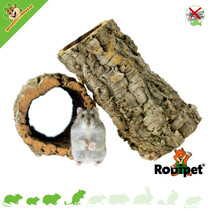
Natural, lightweight, and beautiful in (hamster/gerbil)scapes. Cork provides plenty of grip and has a "forest-like" feel. Note: If you're avid rodents, you might want to check the cork for wear and tear more often.
Grass / hay / woven fibers
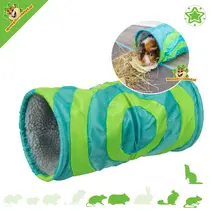
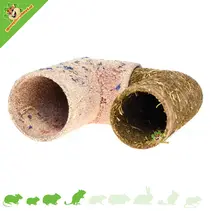
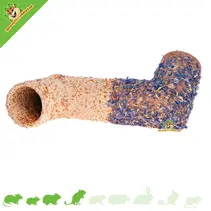
Soft and natural, often fun to nibble on. Perfect for a change of pace or an extra hiding spot. Replace these tunnels when they run out or are no longer fresh.
Wood
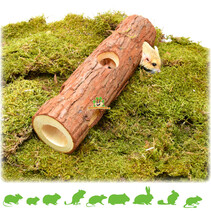
Fits beautifully in natural settings. Preferably choose smooth edges and a size that's spacious enough for your pet.
Sturdy plastic
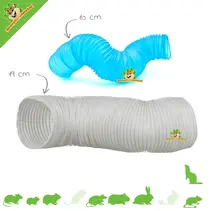
Practical and easy to clean. Great for quick routes and connections, as long as the edges remain clean and the material isn't damaged.
How to choose the right size (without hesitation)
The right size is simple: a tunnel should be spacious enough for your pet to walk through easily, even if your pet has a slightly wider leg or a thick winter coat. If you're unsure between two sizes, usually choose the larger option.
- Mouse / (dwarf hamster) : Narrow tunnels and short tubes work well as long as they run smoothly.
- Hamster/gerbil : choose a slightly larger enclosure, especially for tunnels that are located under or between furnishings.
- (Dwarf) rat : larger diameters and preferably multiple passages (they are agile and curious).
- Guinea pig/rabbit : choose extra spacious and stable; tunnels should not be able to roll or collapse.
- Chinchilla/degu : sturdy material and plenty of space; check regularly for gnaw marks.
Want to shop by animal right away? Then also check out our pet pages:Mouse , Dwarf Hamster , Hamster , Gerbil , Rat , Pygmy Rat , Guinea Pig , Rabbit , Chinchilla , Degu .
Design tips: how to create routes they'll love
- Work with “piercings” : create a tunnel between the house → hiding place → feeding place.
- Create height differences : combine tunnels with bridges/plateaus for an extra challenge.
- Make it logical : place busy routes along the edges (many animals like to walk “along the wall”).
- Vary : rotate or move tunnels occasionally for new stimuli.
- Combine with substrate : especially for hamsters/gerbils, a tunnel works beautifully as part of a digging zone.
Maintenance & cleaning (per material)
How to keep tunnels fresh and pleasant:
- Terracotta/ceramic : brush and rinse with warm water; allow to dry thoroughly.
- Plastic : Rinse and clean; check edges and fittings for wear.
- Cork/wood : brush dry; if heavily soiled, replace rather than wet.
- Grass/hay : This is usually a substitute; change it regularly for hygiene reasons.
Checklist: What to look out for with pipes and tunnels?
Quick selection aid:
✔ Is the diameter large enough for your animal (even during “fluffy” moments)?
✔ Do you choose a material that suits gnawing behavior (firm vs. nibbleable)?
✔ Is the tunnel stable and cannot roll or fold?
✔ Can you easily keep it clean (or replace it in time)?
✔ Does your animal have multiple routes/exits to prevent a traffic jam?
Safety: pleasant and responsible
- Check edges and inside regularly (no sharp bits or fraying).
- Always choose a suitable diameter and avoid tunnels that are too narrow, especially for larger animals.
- Replace tunnels that become broken, loose, or unstable (especially with woven/chewable materials).
- Please note placement : place tunnels in such a way that they cannot get stuck under heavy equipment or shift in walking routes.
FAQ – frequently asked questions about tunnels
Which tunnel is the most “universal”?
A sturdy tunnel (e.g., terracotta/ceramic or robust plastic) is versatile and easy to clean. Cork is often preferred for natural interiors.
My pet chews everything to pieces, what now?
In that case, it is better to choose robust materials such as terracotta/ceramic, and use nibble tunnels (hay/grass/cork) mainly as a variation with regular checks.
How many tunnels do I need?
Start with 1-2 tunnels and expand to multiple routes. In larger enclosures or with groups, variation (and multiple passages) works best.
Can I combine tunnels with ground cover?
Yes, that's right! Especially for hamsters and gerbils, it's fun to incorporate tunnels into a digging zone or as a "passage" between different parts of the enclosure.
Useful shopping links to complete your interior
- Cage furnishings (everything for a cleverly organised enclosure)
- Playing & foraging (extra challenge and activity)
- Ground cover & nesting material (for digging zones and comfort)
- Service & contact (feel free to ask us for advice)
Why order tunnels from DRD Rodent Shop®?
✔ Carefully selected range for different animal species
✔ Choice of natural and robust materials
✔ Specialist since 2011 – with practical selection assistance in our categories
✔ Order easily online and decorate your stay step by step
