Polski


Mouse basics – complete start with terrarium, substrate, climbing & shopping list
Basic mouse design – how to set up a mouse enclosure in a smart, fun and fresh way
Mice are social, curious climbers who prefer to live in a habitat where they can dig, hide, climb, and above all, forage. However, there's one "classic" problem that almost every mouse owner encounters: urine odor due to territorial marking. On this inspiration page, we'll show you how to build a mouse habitat that's both fun for your group and easy to maintain. Below, you'll find a shopping list of products you can add directly to this category.
Quick to:
Start: Group & Zones · Cage or Terrarium · Substrate (Odor Control) · Hiding & Nesting · Climbing & Enrichment · Food & Foraging · Water & Accessories · Smart Cleaning · Checklist · Safety · FAQ
✔ Mouse-proof base
Logical zones: sleeping, digging, eating and playing – peace in the group.
✔ Enrichment that works
More foraging, climbing and destroying = more natural behaviour, less boredom.
✔ Smart cleaning
Targeted cleaning without “resetting everything” – often actually fresher in the long run.
1) Start: Mice are social animals – think in zones (and in rest)
Mice generally thrive in stable groups with ample space, multiple hiding places, and plenty of activity. Therefore, organize your enclosure like a small "village" with designated zones:
- Sleeping area (dark, sheltered, multiple exits)
- Digging/soil zone (comfort + absorption + play layer)
- Foraging zone (scattered food, sniffing material, hanging toys)
- Climbing zone (platforms, ladders, hammocks and routes)
Want to learn more about behavior, group housing, and daily care? Then also check out the information on mice .
2) Mouse cage or terrarium: what should you pay attention to?
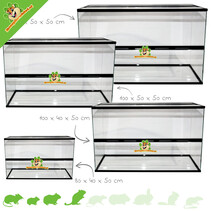
In practice, we see two good options for mice: a well-ventilated terrarium (useful for deep substrate) or a cage with narrow bars (escape-proof) and plenty of climbing opportunities. More important than "the type" are these points:
- Floor space (wider rather than higher) and space to create zones
- Ventilation (fresh air flow helps keep the room pleasant)
- Escape-proof (small openings, secure closure)
- Ease of maintenance (bottom accessible, accessories removable)
View our range and inspiration at Muizenkooien .
3) Ground cover: comfort + diggability + anti-odor (the golden combination)
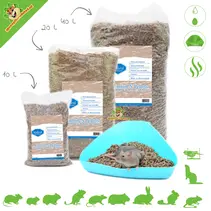
Mice mark with small puddles. This is normal behavior, but it requires a smart substrate. We prefer to work with a layered approach :
A) Absorbent base layer (underlayer)
A highly absorbent underlayment helps capture moisture and odors right at the source. Consider a layer of pellets or granules at the bottom (especially useful in areas where "toilet habits" are common). Tip: deliberately make one corner a little more "toilet-friendly" with extra absorbent material.
B) Soft main layer (comfort + tunneling)
Above that is the comfort layer, where mice can scurry and (depending on the mix) even dig tunnels. Preferably choose a low-dust option, especially if you notice your mice are sensitive to dust.
C) Play and foraging layer (top layer)
A play layer really makes a difference: sprinkle (some of) the food, seeds, or small snacks through a top layer and let your mice search. That's enrichment, every day. See also Mice playing & foraging .
Looking for bedding? Go to Mouse bedding .
4) Shelter & nest: houses, tunnels and nesting material
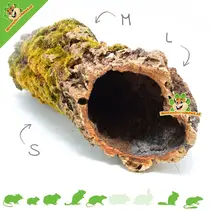
Mice don't like being out in the open. Hiding places provide peace and quiet within the group and make the enclosure more attractive. The guideline: at least one large base house (where the group can fit together) and several smaller hiding places scattered throughout the enclosure.
- Mouse houses – preferably choose models with multiple entrances
- Mouse tunnels – ideal as a route and hiding place
- Mouse nesting material – nest building is really part of being a mouse
Tip: Make one nesting area extra comfortable with plenty of nesting material and a hiding place above it. This creates a sense of calm, especially in a more crowded group.
5) Climbing & routes: make a mouse play park
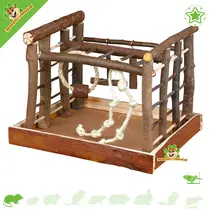
Mice are fantastic climbers. Give them routes that lead from A to B without them having to constantly descend: platforms, ladders, hammocks, and hanging toys instantly make the habitat more dynamic.
- Mouse platforms & ladders
- Mouse hammocks
- Mouse cage accessories (think of attachments, routes and extras)
Exercise wheel: choose safe and practical
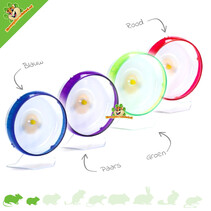
An exercise wheel can be a great way to relax. Choose a model with a safe running surface and a size that's right for your mice. View options at Mouse Exercise Wheels .
6) Feeding & foraging: less "bowl", more searching
Mice are naturally very active foraging and searching. By scattering and hiding (some of) the food, you encourage natural behavior and keep the group active.
- Mouse food – choosing basic food
- Mouse hay, herbs & seeds – enrichment and variety
- Mouse snacks – rewarding and foraging (in moderation)
- Mice gnawing material – demolition is allowed (even encouraged)
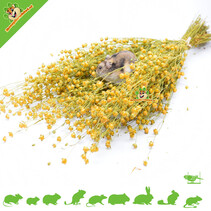
Bonus tip: Create a small "harvest patch" by hiding dried plants or seeds in a container with sniffing material. This often provides fifteen minutes of mouse entertainment.
7) Water & accessories: practical and clean
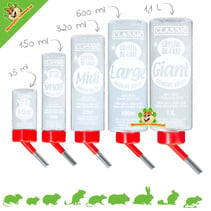
Fresh drinking water should always be available. Many mouse owners choose a drinking bottle because it keeps the water cleaner longer. Sturdy accessories for food and water help minimize spills:
8) Smart cleaning: how to keep things fresh without stress in the group
This is key with mice: cleaning everything thoroughly too often can actually lead to mice marking even more ("everything smells new!"). Smart cleaning = targeted cleaning + partial cleaning + addressing persistent urinal areas.
Maintenance routine (practical schedule)
- Daily (1–3 min) : remove visible urine spots/clumps, touch up wet corner, check water.
- 2–3× per week : refresh the “toilet corner” (extra absorbent zone), wipe down the food/water area.
- Weekly : Replace 30–50% of the bedding (not all of it), wipe down dirty houses/platforms, clean the exercise wheel.
- Monthly (or as needed) : Deep cleaning of the enclosure and accessories – mice temporarily safe in a transport box.
Useful here: Mouse care & hygiene and Mouse transport boxes .
Odor and stain approach (targeted, not "perfumed")
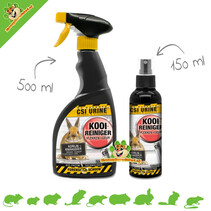
For permanent pee spots (e.g., exercise wheels, corners, cork/wood), a targeted cleaner often works better than "lots of water and scrubbing." In our experience, these are popular choices:
- CSI Urine Spray – for places where you really want to work specifically
- BIO Odor and Stain Remover – handy for daily “quick clean” moments
Tip: Always allow items to dry thoroughly before returning them to the enclosure.
Basic mouse setup checklist (quick checkoff)
- Stay with good ventilation + escape-proof
- Ground covering : absorbent underlay + comfort layer + (optional) play layer
- Houses : 1 basic house for the group + several shelters
- Nesting material (always available)
- Climbing routes : platforms/ladders + hammocks
- Foraging : scatter food, hiding places, demolition and hanging toys
- Running wheel (safe model)
- Water : drinking bottle or water bowl + stable feeding place
- Cleaning plan : spot clean + partial refresh + targeted cleaning
Safety (mild & practical)
- Avoid strong odors in/around the enclosure (think of sprays or perfumes in the room).
- Be aware of heights : create routes with stops and avoid “fall zones”.
- Choose a safe exercise wheel with a pleasant running surface and a suitable size.
- Check hammocks and ropes regularly for wear and tear.
- Cleaning wood/cork : clean specifically and always allow to dry completely.
FAQ – Basic Mouse Setup
Why do mice sometimes smell quickly?
Mice mark their territory with small puddles. With an absorbent base, smart zones, and targeted cleaning, it usually remains manageable.
Do I have to clean everything completely every week?
Partially refreshing often works better. You keep things fresh without wiping out the entire group's "scent map" at once.
What's more important: height or floor space?
For mice, floor space is key (creating zones). Height is a nice bonus, provided you build safe routes and stops.
How many houses do I need?
At least one base house for the entire group, plus several shelters throughout the enclosure. Multiple entrances are often helpful.
What's the easiest way to get started foraging?
Start simple: sprinkle some of the daily food on the play surface and hide some small snacks in sniffing material.
I'm unsure about the layout – can you take a look?
Absolutely. Send us a photo and the dimensions of your accommodation, and we'll be happy to help you: Contact / Service .
✔ Specialist since 2011 ✔ Very wide selection of mouse products ✔ Fast delivery from our own stock
At the bottom of this category, you can browse the products from the shopping list and easily add them to your basic layout. Have questions or would you like us to help you with your layout? We're happy to help.