Polski

Basic Gerbil Set-Up: Deep Digging Area, Sand Bath, Terrarium & Shopping List (Mongolian Gerbil)
Basic Gerbil Setup – Built for Digging, Tunneling, and Gentle Approach
This basic setup is designed for the Mongolian gerbil : a (mostly) social species that enjoys living together, builds tunnels, and is constantly busy digging , gathering , gnawing , and foraging . The secret to a good gerbil enclosure isn't "as much stuff as possible," but rather a clever structure: a deep, stable digging layer as a foundation, and above that, a quiet "superstructure" with houses, trails, and a sand bath.
Note: There are also gerbil species that require different care (such as the fat-tailed gerbil , which is often kept solitarily). We have separate information for that species: fat-tailed gerbil information .
DRD Rodent Shop® has been a specialist since 2011. This inspiration page shows a practical basic setup with logical zones. Below, you can add and order the products from this basic setup directly.
A gerbil enclosure starts with depth: a sturdy digging layer that can support tunnels.
Front-opening (sliding) doors provide peace and quiet: gerbils are often less startled than when being grabbed from above.
A sandbox with suitable (bath) sand provides coat care and additional activity.
1) Housing: terrarium & dimensions
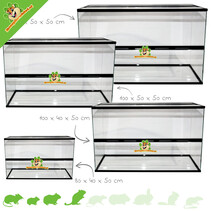
For gerbils, ample floor space is more important than height. A terrarium with a high, upright edge is ideal, as it allows for ample digging. Preferably, choose an enclosure with sliding doors at the front so you can approach the animals calmly from the front. A common guideline is a minimum of 100 x 50 cm of floor space for a basic setup (larger = more peaceful, especially with groups). See: suitable gerbil cages/enclosures .
2) Ground cover: deep digging layer
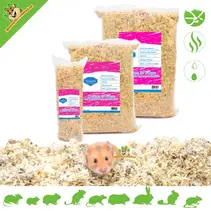
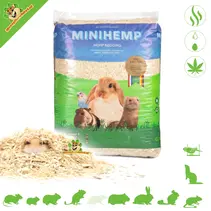
Gerbils are real diggers. Therefore, equip the enclosure with a deep digging layer that can support tunnels. In practice, a layer of about 25–30 cm works very well (deeper is fine, as long as it remains safe and stable). A smart tip is to use a slope : a lower section for the "superstructure" (food/wheel/sand bath) and a deeper section for digging. See: gerbil bedding and get inspired by gerbil landscaping .
3) Houses, tunnels & storage areas
A good basic setup starts with one "main house" (preferably a multi-chambered house ) where the gerbils can nest together, supplemented with one additional hiding place above the burrowing area. Tunnels and bends help create routes and provide pleasant, sheltered walking paths. See: gerbil houses and gerbil tunnels .
Tip for stability: place "superstructures" such as sandboxes, food, and water on a platform to prevent them from being undermined. See: gerbil platforms & ladders .
4) Nesting material
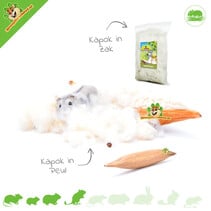
Gerbils like to drag soft materials into their home to create a warm, comfortable nest. Choose nesting material designed for rodents and combine it with a sturdy digging surface. See: gerbil nesting material .
5) Sand bath
A sand bath is part of their daily routine. Choose a stable sandbox with plenty of space (so they can take turns) and use suitable bath sand. See: sand, bath sand & sandboxes for gerbils .
6) Feed, water & smart offering
Choose one clear, basic food and offer it intelligently: some in a food bowl (control) and some scattered or hidden (challenge). Gerbils hoard; therefore, also check storage areas in houses/tunnels. See: gerbil food and a secure feeding area via gerbil food bowls .
Offer water practically with a drinking bottle or water solution suitable for a glass enclosure. Gerbils like to chew, so choose wisely. See: gerbil drinking bottles & water bowls .
7) Running wheel
An exercise wheel is a welcome addition, provided you choose the right size and a safe running surface. For gerbils, a good size is usually around 28–30 cm (depending on size) and a stable model. Ideally, place the exercise wheel on a platform or stable surface. See: gerbil exercise wheels .
8) Gnawing material & foraging
Gnawing materials are essential for gerbils. They help control their gnawing urges and instantly make their habitat more interesting. Combine gnawing materials with foraging items: hide a few seeds, use demolition materials, and rotate them regularly. See: gerbil gnawing materials and gerbil play & foraging .
Snacks? Keep them small, mindful, and use them primarily as a reward when foraging. See: gerbil snacks .
Checklist basic setup gerbil (Mongolian gerbil)
- Terrarium/enclosure with plenty of floor surface (preferably with a front opening)
- Deep excavation layer (±25–30 cm) with stable, excavatable ground cover
- Main house (multi-room) + extra shelter
- Tunnels/routes for sheltered movement and storage areas
- Nesting material to drag and build a nest
- Sand bath with suitable (bath) sand
- Gerbil food + sturdy feeding area (also offer foraging)
- Drinking solution suitable for glass (choose consciously)
- Running wheel (optional, usually ±28–30 cm) with safe running surface
- Rodent material + foraging/enrichment to keep them occupied daily
9) Maintenance
- Daily: spot clean wet areas, check sand bath, change water.
- Weekly: update parts of the ground (not all at once), check houses/tunnels.
- Periodically: check the furnishings for gnawing damage, stability and sharp edges.
10) Safety & common mistakes
- Too thin substrate: without depth you will get unrest and little natural behaviour.
- Build everything “on top”: let the excavation part take the lead and keep the superstructure limited and stable.
- Unstable heavy items: place the sand bath/wheel/food on a platform or solid surface.
- Grabbing from above: Approach gerbils gently from the front and let them come to your hand on their own.
- Never lift by the tail: always lift with support under the body.
FAQ – basic gerbil furnishings
How deep should the ground cover be?
The deeper the better, as long as it remains safe. Many owners find it comfortable to work around 25–30 cm with a diggable, stable mix.
Why is a front-opening enclosure so useful?
Gerbils are prey animals. Approaching them calmly from the front often reduces fear and helps build trust.
Is a sand bath mandatory?
It is an important, daily habit in many gerbil enclosures: for rolling, activity and grooming.
Where can I find more “decoration ideas”?
Also see gerbilscaping and the Mongolian gerbil information page .
Shop the complete basics (products in this category)
Below you'll find the products that complement this basic setup. Tip: start with the enclosure + deep digging base + main house + sand bath . Only then add extra tunnels, foraging items, and gnawing material. This keeps the enclosure organized and interesting.
Feel free to send us a photo of your accommodation and its dimensions; we'll be happy to help. Contact & Customer Service .