 Polski

Hanging Toys for Rodents and Rabbits!


- Voor 17 uur besteld, dezelfde dag verzonden!
- Rodent specialist since 2011
- Dispatched from our own stock

- Voor 17 uur besteld, dezelfde dag verzonden!
- Rodent specialist since 2011
- Dispatched from our own stock


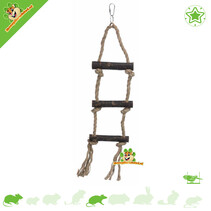

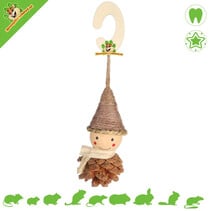
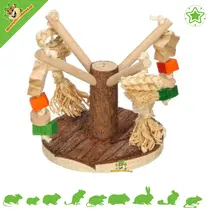

Hanging Toys for Rodents & Rabbits
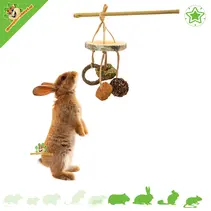
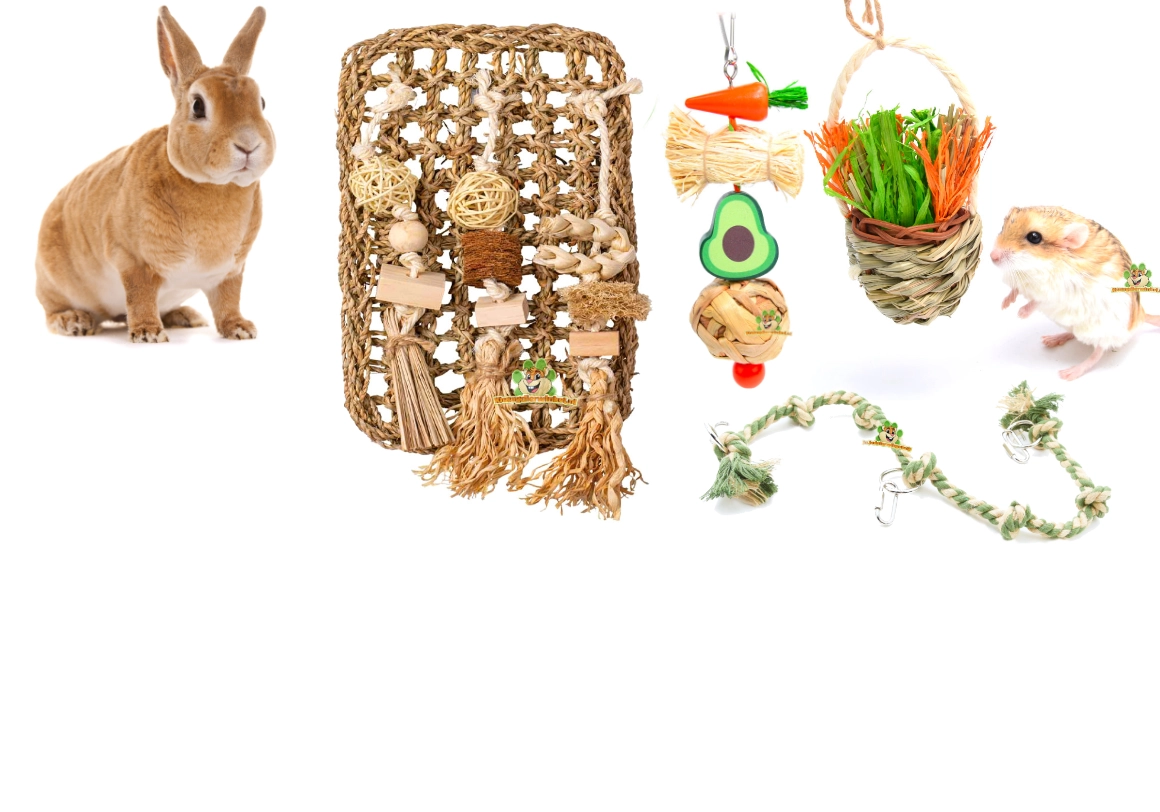 Hanging toys make the enclosure more dynamic: your pet can pull, climb, gnaw, and explore. This is a great form of enrichment, especially for clever climbers (like mice and rats). For rabbits and guinea pigs, hanging toys often work well as a "tug and gnaw challenge" at the right height. DRD Rodent Shop® has been a specialist since 2011.
Additional activity in the accommodation.
Alternate hangers and materials wisely.
Choose based on behavior, size and location.
What are hanging toys (and when should you choose them)?
Hanging toys are enrichment toys that you attach to bars, a wall, a platform, or a sturdy hanging surface. They encourage pulling, climbing, gnawing, and "working" in the enclosure. They're especially suitable if your pet likes to move upwards, is curious, or enjoys picking at things.
Also check out the complete Play & Foraging category and combine with Demolition Toys or Balls & Rolls .
Types of hanging toys in this category
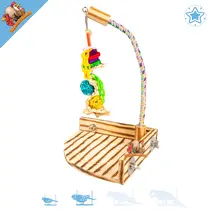
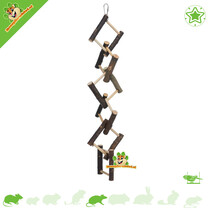
- Climbing and clambering items: rope, ladders, bridges, nets and hanging platforms.
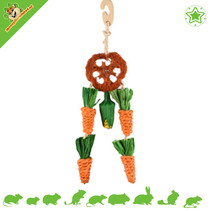
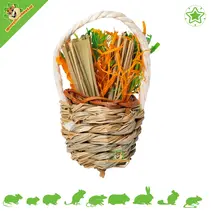
- Pull and gnaw hangers: bundles of natural materials for pulling and destroying.
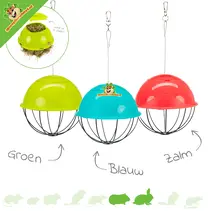
- Combination pendants: playing + foraging, where your animal can also “work out” something.
- Group-proof options: multiple feeding/feeding points, useful for animals housed together.
Which animals are hanging toys suitable for?
- Mice and rats: often ideal users; climbing, hanging, and pulling are typical of their behavior.
- Rabbits: especially nice as a pull/gnawing toy at nose height or just above it.
- Guinea pigs: usually like it if it hangs low and is easily accessible (pulling/nibbling).
- Chinchillas and degus: avid rodents; choose robust varieties and check them regularly for wear and tear.
- Hamsters and gerbils: often prefer a low, stable environment; hanging toys can be an option, provided they are placed appropriately.
Animal-related shopping is also possible via the hubs: mouse , rat , rabbit , guinea pig , chinchilla , degu , hamster , gerbil .
Hanging & height: how to make it practical
- Make it accessible: aim at nose height or just above it, depending on the animal and type of toy.
- Work with “routes”: combine with platforms, bridges or houses so that climbers can move logically.
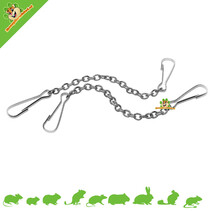
- Prevent swinging: where possible, attach at two points to ensure a more stable hang.
Checklist: quickly make the right choice
- Behavior: climber, trekker or destroyer?
- Size: fits the body shape and stay.
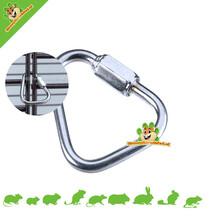
- Mounting: Can be securely mounted wherever you want.
- Location: not above a toilet area or water bowl; preferably dry and uncluttered.
- Rotation: Rotate 1–2 hanging items per week for continued interest.
Maintenance
- Weekly check: look for wear, loose parts and rough edges.
- Cleaning: Material dependent; always allow to dry completely before replacing.
- Replacement: Is something wet, sticky, or out of shape? Replacing it is usually the most practical option.
Usage tips
- Fasten tightly and stably: avoid unnecessary turning or overshooting.
- Choose the right height: climbers may have a “route”, quiet animals prefer low and accessible.
- Keep it tidy: check regularly for wear and tear and remove loose debris.
- First time, observe: this way you can quickly see what your pet likes best and whether the location is convenient.
FAQ Hanging Toys
My pet ignores hanging toys. What can I do?
Hang it lower, make it more stable (two attachment points), and change the type. Many animals respond well to multiple "touch points."
What is a good combination in the stay?
1 hanging item + 1 demolition item + 1 foraging or rolling item often gives a nice mix.
Are hanging toys also suitable for multiple animals together?
Yes, then preferably choose variants with multiple places to pull/eat at the same time, so that it is evenly distributed.
