Polski

Basic chinchilla setup – cage, bedding, sand bath, hay corner & gnawing material with shopping list
Basic chinchilla setup – the right foundation for a safe, clean and challenging cage
Chinchillas are social animals and prefer to live with a companion. They are most active at dusk and dawn and are known for being clever demolition workers: everything you hang or place in the cage must be carefully chosen . A good basic setup creates a calm environment within the group, makes the cage easier to clean, and simultaneously provides enough stimulation to prevent boredom.
DRD Rodent Shop® has been a specialist since 2011. On this inspiration page, you'll find a well-thought-out basic layout with logical zones: floor , shelter , sand bath , hay corner , gnawing material , and enrichment . Below, you can shop the products from this basic setup directly.
Chinchillas chew a lot. Choose sturdy materials and avoid loose bits and pieces that they might easily snatch up.
A good sand bath with suitable chinchilla sand helps keep the coat clean and airy.
Unlimited hay, neatly presented in a manger, helps keep your cage cleaner and provides a regular routine.
1) The cage: space & layout
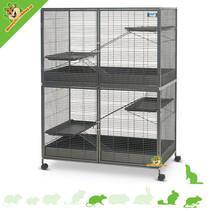
Chinchillas are active jumpers. A suitable cage should therefore have sufficient space and a layout with stable walking paths. Preferably choose sturdy accessories and always place heavier items in a stable position. See: chinchilla cages and for furnishing: platforms & ladders .
2) Ground cover
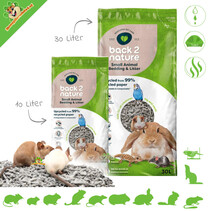
A good base bedding is dust-free and easy to maintain. Many chinchilla owners choose paper bedding (such as granulated paper) because it stays put and is highly absorbent. See: chinchilla bedding .
3) Shelters & rest
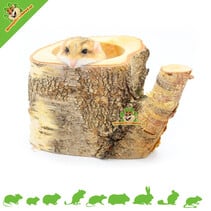
In a group, you always want plenty of hiding places so each animal can retreat. Ideally, choose houses with a logical entrance and plenty of space. Many chinchillas also like to lie "high" or on a roof. View: chinchilla houses and consider combining them with natural elements such as: natural furnishings .
4) Sand bath & chinchilla sand
A sand bath is a must-have in a chinchilla cage. Choose a stable sandbox that's preferably chew-resistant. Fill it with real chinchilla sand and fill it so that it's stable (it won't tip over if an animal sits on the edge). See: chinchilla sand & sandboxes .
5) Hay corner, food and water
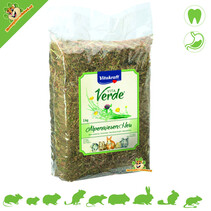
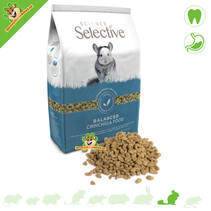
Hay should always be available. Use a hay rack to keep the hay fresh: chinchilla hay and hay & racks . Combine this with a suitable pellet: chinchilla food .
For pellets, use a sturdy food bowl: food bowls . Chinchillas usually get water from a water bottle: water bottles & water bowls .
6) Rodent material & enrichment
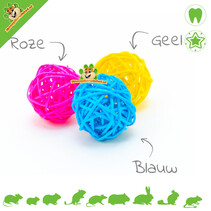
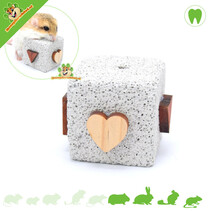
Gnawing materials aren't a "nice extra," but part of the basics. They help control the natural urge to gnaw and prevent everything in the cage from becoming a nuisance. Combine different textures (wood, roots, natural materials) and vary the materials. See: chinchilla gnawing materials and, for an extra challenge,: chinchilla play & foraging .
Snacks? Then choose wisely and give them in moderation: chinchilla snacks .
Basic chinchilla furnishing checklist
- Spacious cage with stable walking routes
- Dust-free ground covering (e.g. paper ground)
- Minimum 1 shelter per animal (+ additional resting places)
- Sandbox + chinchilla sand
- Unlimited hay + hay rack
- Chinchilla food + sturdy food bowl
- Rodent material + enrichment/foraging challenge
- Drinking bottle or other practical drinking solution
7) Maintenance & hygiene
- Daily: remove wet spots, add hay, change water.
- Several times a week: update ground cover and check hiding places.
- Periodically: completely change the substrate and check accessories for wear (especially with rodents).
- Sand bath: Sift/replace the sand regularly according to the instructions for your sand and sandbox.
8) Safety & common mistakes
- Too much "breakable" material: chinchillas gnaw vigorously; choose something gnaw-proof and check regularly.
- Not enough hiding places: in a duo/group you always want options for escape.
- No sand bath or unsuitable sand: choose real chinchilla sand and a stable sandbox.
- Unstable placement: Heavy items must be stable; avoid wobbly shelves and loose parts.
FAQ – basic chinchilla furnishings
How often do you give a sand bath?
This varies by animal and situation. Many owners offer the sand bath regularly and keep the sand clean by sifting and replacing it.
Why is gnawing material so important?
Chinchillas naturally chew. Using suitable chewing materials will redirect this behavior to safe items and prevent damage to cage furnishings.
Which upgrade provides the fastest additional challenge?
Add foraged foods and vary the gnawing items. Even small variations provide a lot of new stimuli.
Where can I find everything for chinchillas in one overview?
Go to the Chinchilla Webshop .
Shop the complete basics (products in this category)
Below you'll find the products that fit this basic setup. Tip: start with bedding + hiding places + hay corner + sand bath , then add additional gnawing material and enrichment. Want to see all the examples? Visit all the inspiration pages .
General information about chinchillas can also be found at the LICG: licg.nl .