Polski

Natural furnishing for rodents & rabbits – Cork, Bamboo & Wood species


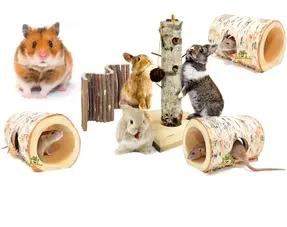


Natural furnishing for rodents and rabbits
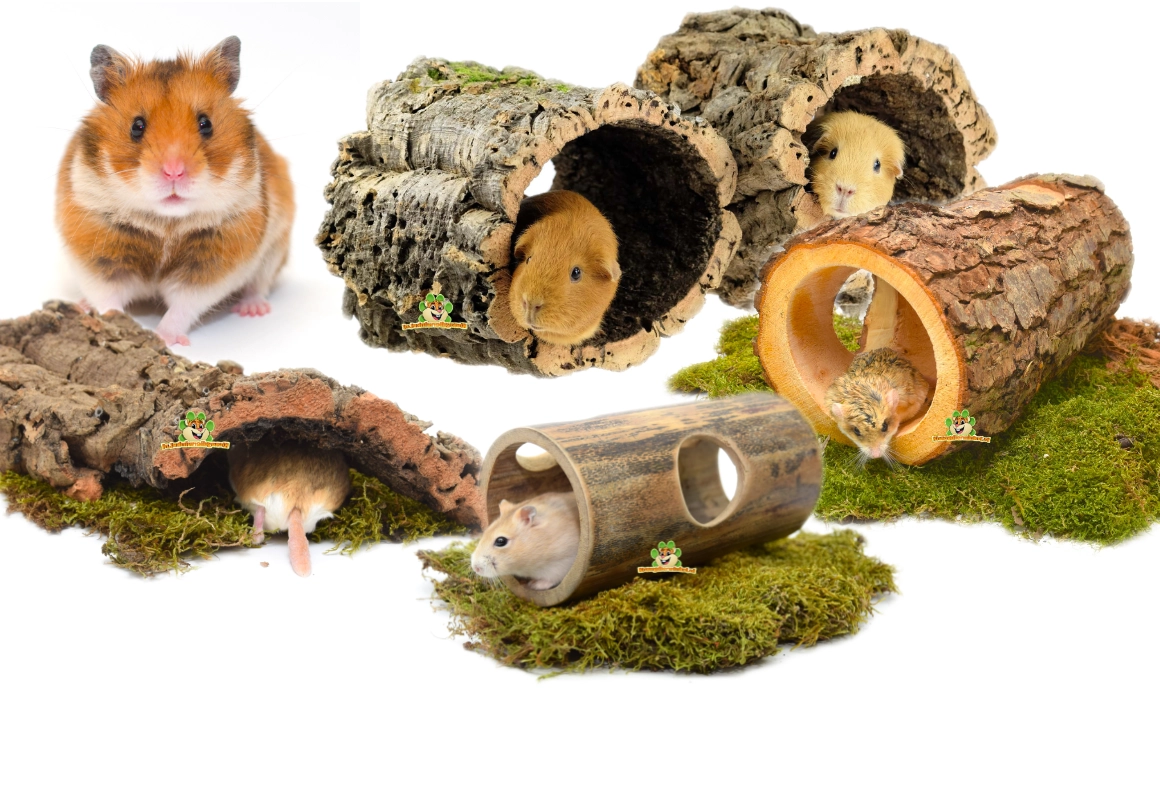 Want an enclosure that not only looks beautiful but also feels natural for your pet? With natural furnishings, you can incorporate materials that align with daily behaviors like hiding, climbing, gnawing, and exploring. Think cork, bamboo, willow, and various types of wood with their own unique texture and feel.
At DRD Rodent Shop®, you'll find a carefully selected range of natural furnishings formice , dwarf hamsters , hamsters , gerbils , rats , guinea pigs , chinchillas , degus , and rabbits . Specialists since 2011 .
- Hiding, climbing and exploring
- Gnawing and “working” with materials
- More structure in the stay
- Fits into natural landscapes
- Combines well with ground cover
- Routes, altitude and rest areas
- Cork & bamboo
- Willow, hazelnut, birch, beech, alder
- Bark wood with extra structure
Why choose natural design?
Natural materials bring peace and a sense of logic to the enclosure: your pet can choose where to retreat, how to walk, and where it likes to nibble or climb. This works well in a terrarium, wire cage, or run.
- More hiding places – useful for prey animals that like to have an overview and cover.
- More structure – tunnels, bridges and branches create routes and zones.
- More variety – different types of wood each have their own texture and application.
Complete your base with bedding and nesting material , and add extra challenge through play and foraging .
Subcategories: choose your favorite material
Everything for a natural look and practical base: hiding places, routes and wooden elements.
View natural design →Cork is ideal for tunnels and hiding places; bamboo gives a sleek, natural look.
View cork & bamboo →Strong wood types with a fine structure: perfect for bridges, tunnels and climbing elements.
View hazelnut/birch/beech →Beautiful, warm wood tones create a calm scape with sturdy, practical elements.
View mahogany & alder →A true classic for natural interiors: flexible, playful and ideal for nibbling.
View willow →Extra structure and a "forest feeling": perfect for routes, hiding places and playful design.
View bark wood →Selection guide: which material do you use for what?
- Cork : hiding place, tunnel, "wall" or partition in your scape; beautiful in digging zones.
- Bamboo : sleek, natural look, often useful as part of routes/layout.
- Hazelnut / birch / beech : sturdy for bridges, platforms and shelter structures.
- Mahogany / alder : stable elements and a peaceful appearance in the living space.
- Willow : a favourite with rodents; ideal for diversion and a natural “workplace”.
- Bark wood : extra texture; nice to sprinkle food on and let them search for it.
Tip: Combine multiple materials. The mix of textures makes your space more interesting and gives your interior a finished look.
Scaping tips: how to make it exciting (and organized)
- Work with zones : a digging corner (ground cover), a quiet hiding zone and a route zone.
- Create routes along the edges : many animals like to walk “along the wall”.
- Use height wisely : platforms and bridges provide variety, but keep it stable and logical.
- Hide some food : sprinkle small portions on bark/cork and let your animal search for it.
Maintenance: how to keep natural furnishings neat
Practical maintenance tips:
- Spot clean regularly: brush away crumbs and remove wet/dirty spots immediately.
- Allow to dry thoroughly if anything has become damp (prevents musty odors).
- Not everything needs to be “wet” : cork and some types of wood are often better brushed dry.
- Replace in time when a part becomes structurally dirty, damaged or unstable.
Checklist: natural design that really works
✔ At least 1–2 comfortable hiding places per animal (preferably spread throughout the enclosure)
✔ Routes and passages: can your animal walk logically?
✔ Mix of materials: cork/wood/willow/bark for variation in structure
✔ Stable placement: nothing wobbles or can fall over
✔ Combine with ground cover and foraging for an extra challenge
Safety: just check, have fun
- Check regularly for splinters, sharp edges and instability.
- Place heavy parts so that they cannot slide (especially above digging zones).
- Preferably use materials intended for animals ; wood from outside may be contaminated.
- Always choose components that are suitable for the size of your animal (no passages that are too small for a guinea pig/rabbit).
FAQ – Frequently asked questions about natural design
Is natural design suitable for every stay?
Yes, you can use natural elements in terrariums, wire cages, and runs. Pay particular attention to stable placement and appropriate dimensions.
Which materials are most popular for scaping?
Cork and bark are favorites for natural routes and hiding places. Willow is popular as a gnawing and diversionary element.
My pet chews on everything, is that normal?
Many rodents enjoy nibbling. That's why a variety of natural materials is often beneficial: it provides a "private" space to explore.
How do I combine natural design with ground cover?
Build "edges" and routes with tunnels/cork, and leave excavation zones open. This keeps things manageable and challenging.
Useful shopping links for a complete interior design
- Cage furnishings (everything for the base and layout)
- Ground cover & nesting material (digging zones & comfort)
- Play & foraging (enrichment and search fun)
- Food and snacks
- Service & contact
Why order natural furnishings from DRD Rodent Shop®?
✔ Assortment with a wide choice of wood types and natural materials
✔ Smart for scaping, routes, hiding places and variety
✔ Specialist since 2011 – with practical selection assistance in our categories
✔ Everything can be easily combined into one cohesive design