Polski

Sandboxes for Rodents – Sand Baths for Hamsters, Gerbils, Mouse, Chinchillas & Degus




- Voor 17 uur besteld, dezelfde dag verzonden!
- Specialist sinds 2011
- Delivery from our own stock


- Voor 17 uur besteld, dezelfde dag verzonden!
- Specialist sinds 2011
- Delivery from our own stock

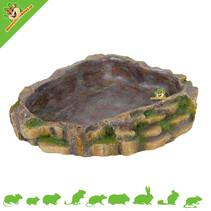

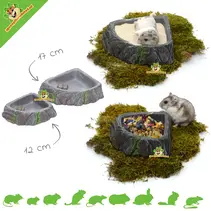
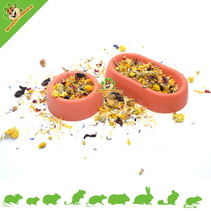

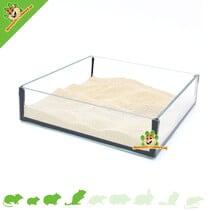
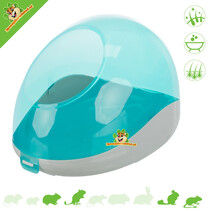

You can order sand boxes for rodents quickly and easily at DRD Rodent Shop ®
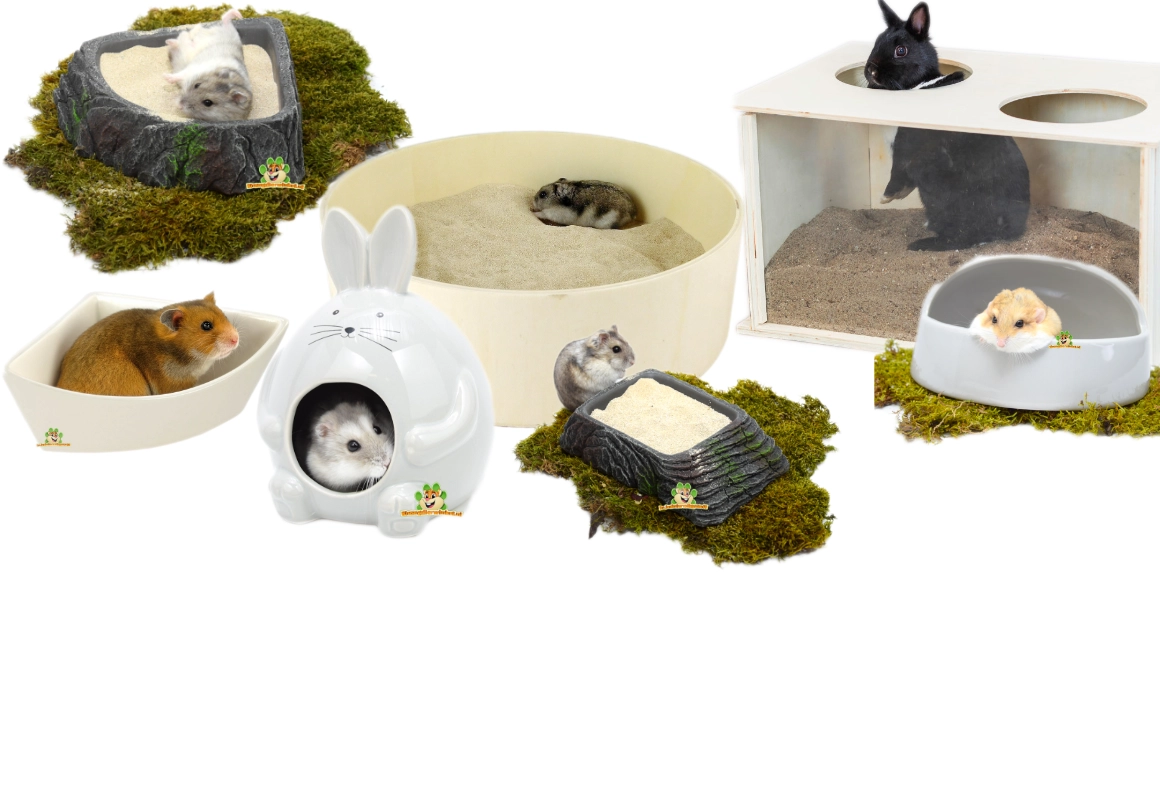
For many rodents, a sand bath is more than just "fun to roll around in": it helps with grooming and is actually essential for some species. Think of gerbils and chinchillas , but mice , (dwarf) hamsters , and degus also enjoy using a sand bath.
In the wild, these animals bathe in sand to keep their fur in good condition and to absorb excess fat. Many animals also simply enjoy digging, rolling, and dust bathing.
Sand helps keep the coat “airy” and cared for.
Gerbils and chinchillas generally really need it.
Many animals use it as a rest and “spa” moment.
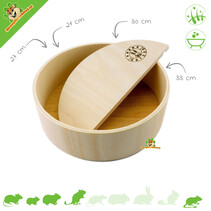
Choose a container with sufficient space and a shape that fits your enclosure.
Which animals is a sandbox suitable for?
- Gerbils & chinchillas: sand baths are generally important for coat condition.
- (Dwarf) hamsters: like to use sand for rolling and grooming; also good as a toilet spot.
- Mice: Many mice find sand a nice enrichment and use it for grooming.
- Degus: Sand baths are often popular; choose a sturdy container and suitable sand.
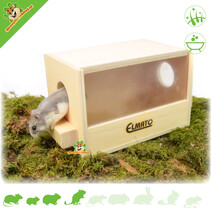
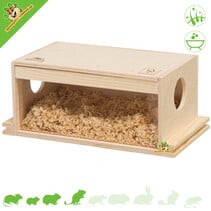
Tip: when choosing a container, pay attention to the size (your animal should be able to roll around in it comfortably) and the edge/hood : higher edges or a (partially) closed hood often keep the sand in the enclosure better.
Which sand is suitable for a sand bath?
Not all sand is suitable for bathing. For a sand bath, it's best to use special bath sand/chinchilla sand that's fine and soft. Other types of sand can be too coarse or contain sharp particles, which can be less pleasant for the skin and coat.
Checklist: How to make a safe sand bath
- Choose the right size: your animal should be able to turn/roll in it without feeling cramped.
- Use suitable bath sand: fine, soft and intended for sand baths.
- Don't fill too high: a layer that allows for rolling is enough (too full = extra spillage).
- Stable placement: place the container firmly so that it does not tip over.
- Keep it clean: remove wet spots/droppings and replace the sand regularly.
Use & hygiene
- Daily check: Is the container being used as a toilet? Scoop out any debris immediately.
- Change regularly: the more often the fish uses the water, the sooner the sand needs to be replaced.
- Cleaning the tray: Wipe the tray clean and let it dry thoroughly before adding new sand.
Safety
- Avoid shell sand: it often contains sharp particles and is not intended as bath sand.
- Be careful with dust: preferably use bath sand that is suitable for sand baths and avoid "powdery" sand in a poorly ventilated enclosure.
- Check for moisture: wet sand clumps and can become less hygienic – change it regularly.
Rabbits: prefer a digging box to a sand bath
For rabbits, the concept is different: they don't use a "sand bath" for grooming like chinchillas, but they often love to dig. That's why there are special digging boxes you can offer as enrichment (for example, in a run). This allows rabbits to indulge in natural digging behavior without the entire garden being plowed up.