Polski

Bedding for Hamsters and Dwarf Hamsters




- Voor 17 uur besteld, dezelfde dag verzonden!
- Specialist sinds 2011
- Delivery from our own stock

- Voor 17 uur besteld, dezelfde dag verzonden!
- Specialist sinds 2011
- Delivery from our own stock
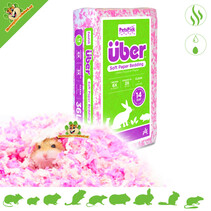
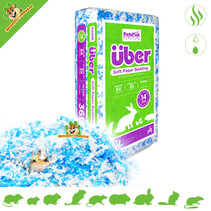
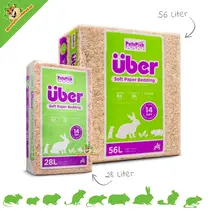
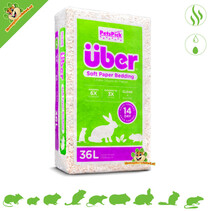

Hamster Bedding & Ground Cover – Choose the Best Base for Digging and Comfort
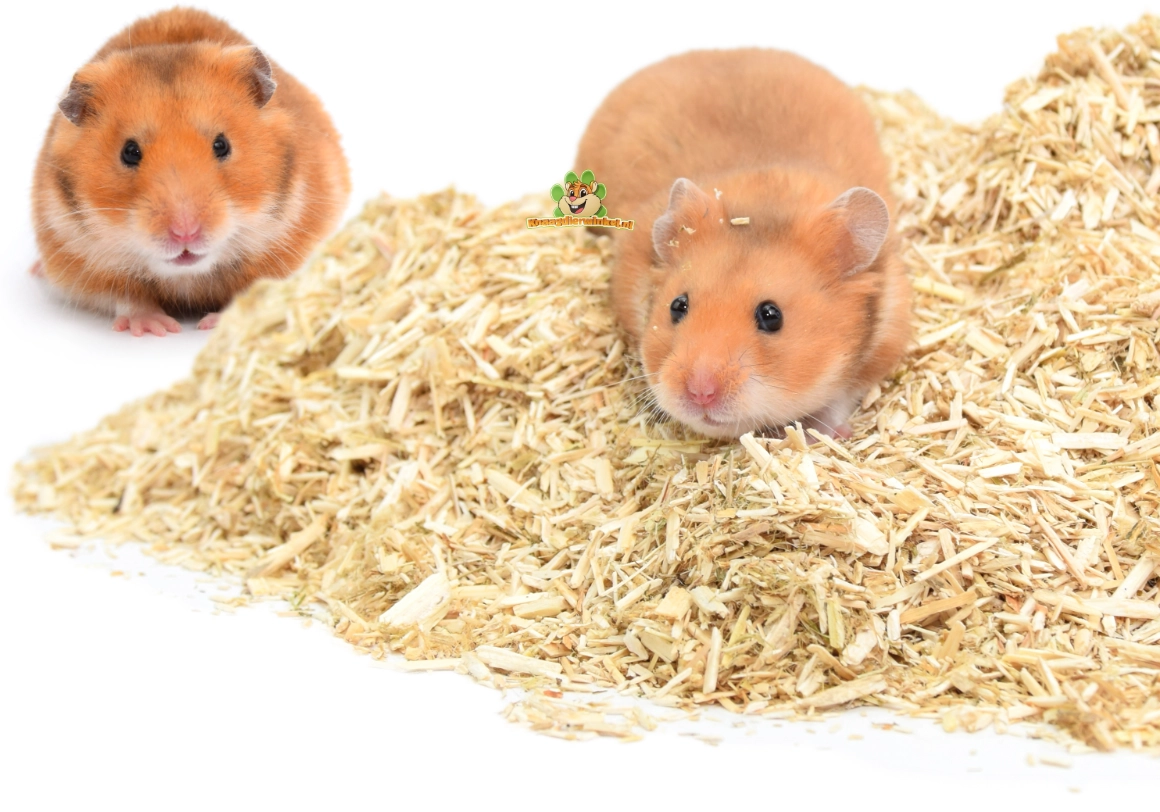 Good hamster bedding is the foundation of a comfortable habitat. Hamsters (including dwarf hamsters) are real diggers: they want to create tunnels, store supplies, and sleep safely "underground." At DRD Rodent Shop® , you'll find bedding that suits hamster scaping , provides daily convenience, and creates a natural environment. We've been specialists since 2011 and select primarily based on: ease of digging, comfort, hygiene, and practicality.
Selection guide: which hamster bedding suits your situation?
Looking for hamster bedding for a dwarf hamster or substrate for a Syrian hamster? Start with these three questions:
- Digging instinct: Does your hamster want to tunnel and dive deep? Then choose a bedding that offers plenty of volume and is easy to dig.
- Design: Do you want a natural look or a true hamster scaping experience? Then layering and mixing is ideal.
- Maintenance: Want easy spot cleaning and a fresh cage? Creating a clear pee area and designated zones helps.
In this category you'll find cotton , paper , hemp , flax , and handy mixes . Everything has been selected for ease of use and well-being (and, of course, easy to dig where possible).
Top choice per situation: which hamster bedding suits your hamster?
Everyone is looking for something slightly different: some prefer a deep excavation (hamsterscaping), others prefer easy maintenance or a beautiful, natural look. Below, you'll find our most popular options. Not sure? Then mixing is usually the smartest (and most fun) solution.
How much bedding does a hamster need?
Do you want your hamster to really be able to dig? Then "one layer" is usually not enough. Guidelines that work well in practice:
- Dwarf hamster bedding: preferably 20 cm or more in (at least) one digging corner.
- Golden hamster substrate: preferably 25–30 cm or more, as they are larger and like to burrow deeper.
Tip: You don't have to dig at the same depth everywhere. A smart scape has zones: one deep digging area + a walking/feeding zone + a resting area under a house.
Combining ground cover: how to get more volume and stability
Combining ground covers is often the fastest way to a firmer base and a more beautiful landscape. Consider a soft base (cotton or paper) with a textured layer on top or throughout.
Useful for hamster scaping ground covering: you can also work with "paths" and "hills" (subtle), without large height differences.
Hamsterscaping substrate: building for natural behavior
Hamster scaping revolves around behavior: digging , foraging , hiding , and sand bathing . Combine substrate with appropriate furnishings, such as hamster houses , nesting material , and a sand bath .
Bioactive ground cover: beautiful, but for advanced users
Bioactive means using (among other things) humus/coconut fiber as a substrate and working with a natural balance. This can be beautiful, but it does require controlling humidity and choosing the right materials. Therefore, we recommend this especially if you already have experience with hamster scaping or terrarium design.
Dust-free and wood fibre: what is useful to know?
All our ground coverings are selected as low-dust , with one caveat: wood fiber can generate a bit more dust, depending on the type and how you apply it. Want to be extra mindful of this? Then paper/cotton (or a blend) is often a good choice.
Checklist: Choosing ground cover in 60 seconds
- ✓ Want to see digging behavior? Make one zone really deep (20–30 cm).
- ✓ Dwarf hamster or golden hamster? Larger animal = often deeper/spacious, which works better.
- ✓ Want to get started easily? Use paper as a base and mix later.
- ✓ Do you want tunnels? Cotton (based) and blends often work best.
- ✓ Create a fixed pee corner and spot clean it regularly.
Maintenance: spot cleaning, pee corner and when you (partially) refresh
The secret to a fresh environment is rarely “replacing everything often”, but rather smart maintenance: spot cleaning + a permanent pee area.
- ✓ Remove wet areas and droppings where necessary (urine corner, feeding area, under the wheel).
- ✓ Keep the nesting site as undisturbed as possible (only in case of real contamination).
- ✓ Refresh (partially) when odor/moisture increases; how often depends on the size of the enclosure, substrate type, and furnishings.
- ✓ For cleaning you can look at hamster cleaning products .
Safety warnings
- ✓ Avoid heavily perfumed/chemically treated substrates; opt for natural, soothing choices.
- ✓ Place heavy items (stones, heavy houses, wheels) preferably on a plateau/solid surface, not loosely “on the digging layer”.
- ✓ Use safe nesting material (no “hamster cotton wool”/loose tufts that can form threads).
- ✓ Always ensure adequate ventilation in the hamster enclosure .
Frequently asked questions about hamster bedding
Which hamster substrate is best for digging?
For “real diggers”, bedding with a cotton base often works very well, especially in combination with a clever mix (layer construction).
How deep should dwarf hamster bedding be?
Aim for a minimum of 20 cm in (at least) one digging zone, so that tunneling becomes possible.
How deep should be the substrate for a golden hamster?
Many golden hamsters benefit from 25–30 cm (or more) in a digging corner, as they are larger and like to “dive” deeper.
What is the difference between hamster bedding made of cotton and paper?
Cotton provides plenty of volume and a textured feel (great for scapes). Paper is a soft, practical base that works well as a starting point or in blends.
Is wood fiber suitable?
Wood fiber can be a great fit for a home, but can create a bit more dust (depending on the type and usage). Want extra dust reduction? Then paper/cotton (or blends) are often preferable.
Helpful next steps for a complete base & layout
- Hamsterscaping (everything for the natural look)
- Hamster nesting material
- Hamster houses & hiding places
- Sand & sand bath
- Hamster exercise wheels
- Hamster cages & enclosures
- Cleaning products
✓ Carefully selected range & practical selection aid
✓ For dwarf hamsters and golden hamsters – suitable for hamster scaping and daily convenience
✓ Specialist since 2011 – we are happy to help you choose