 Polski

Guinea pig play & foraging – searching, sniffing, and discovering


- Voor 17 uur besteld, dezelfde dag verzonden!
- Rodent specialist since 2011
- Dispatched from our own stock


- Voor 17 uur besteld, dezelfde dag verzonden!
- Rodent specialist since 2011
- Dispatched from our own stock
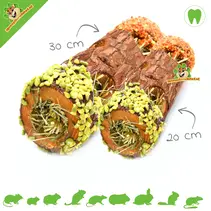


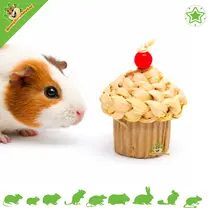

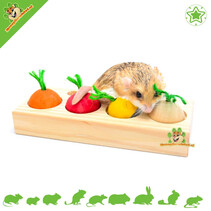


Guinea pig play & foraging: searching, sniffing, and exploring in the enclosure
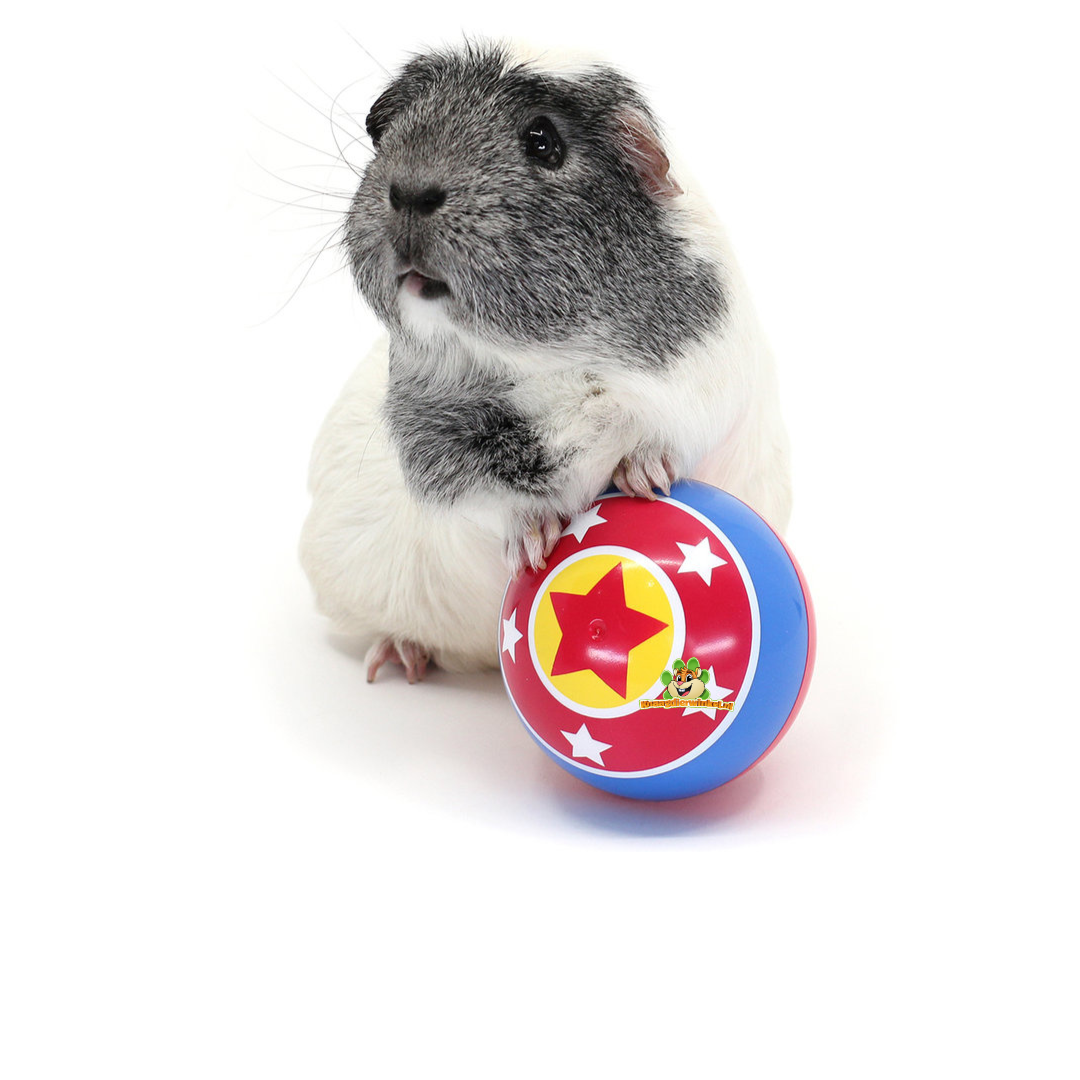 Guinea pig play & foraging revolves around quiet searching, sniffing, choosing, and discovering. Guinea pigs are curious animals that enjoy engaging with food, hay, herbs, scents, and sheltered routes. With the right foraging products, you make daily feeding more interesting without making the enclosure busy or cluttered.
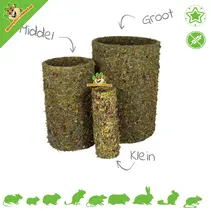
For guinea pigs, enrichment often works best when it remains quiet and close to the ground. Think of a snuffle mat, treat ball, treat roll, treat plate, herbs mixed into the hay, a tunnel route, or a short search session with dried flowers, leaves, or vegetables. This way, you stimulate natural foraging behavior in a manner that suits guinea pigs.
At DRD Knaagdierwinkel®, we view play and foraging as part of the complete guinea pig setup. A product should not only be fun but also logically fit in with hay , herbs , snacks , tunnels , houses, and open run space. Specialist since 2011.
✓ Guinea pig toys and foraging products for quiet searching, sniffing, and discovering
✓ Combines well with hay, herbs, snacks, tunnels, and houses
✓ Practical for guinea pig cages, C&C enclosures, runs, and daily enrichment
✓ Selected by DRD Knaagdierwinkel® – Specialist since 2011
Quick links
In short • Why forage? • Types of toys • What suits your guinea pig? • Hay, herbs & snacks • Setup & routes • Build up gradually • Handy combinations • FAQ
In short: what toys are suitable for guinea pigs?
Suitable guinea pig toys are low, stable, easy to see, and geared towards natural behavior. Guinea pigs usually do not play like dogs or cats. They are most happy sniffing, searching, nibbling, walking in sheltered spots, discovering new scents, and short feeding times where they can be quietly occupied.
Foraging products such as a snuffle mat, treat ball, treat roll, or treat plate can help with this. You use them with small amounts of suitable herbs, dried vegetables, snacks, or a portion of the daily food. This makes feeding more interesting without giving too many extras.
Always consider the function within the enclosure. A product must support space, rest, and freedom of choice. Therefore, do not fill a guinea pig enclosure with toys, but choose a few products that truly add something to searching, eating, moving, or hiding.
Searching and sniffing
Use herbs, hay, or small snacks to let guinea pigs search quietly.
Sheltered discovery
Tunnels and small houses make open areas less daunting and provide clear routes.
Small and conscious
Use supplements in moderation, so that hay and guinea pig food remain the foundation.
Why is foraging good for guinea pigs?
Foraging means searching for food. For guinea pigs, this is a quiet and natural way to keep themselves occupied. Instead of offering everything directly in one bowl, you can spread a small portion of herbs, snacks, or food over a snuffle mat, treat board, tunnel route, or hay corner.
This way, eating becomes more than just picking up food. Your guinea pig has to sniff, choose, search, and move. This provides variety throughout the day and can help make the enclosure more interesting, especially when guinea pigs live indoors a lot or have a fixed routine.
Read more: Guinea pig language , Guinea pig food selection guide and What do you need for guinea pigs? .
Types of guinea pig toys and foraging products
Guinea pig toys work best when they align with eating, smelling, hiding, or movement. Below you can see which types of products you can use and what they are useful for.
| Product type | Goes well with | What do you look out for? |
|---|---|---|
| Snuffle mat | Searching for herbs, small snacks, or part of the food | Use dry food or dry herbs and check for moisture and gnawing damage. |
| Snack ball or snack roll | Gently rolling, pushing, and seeking small rewards | Choose a size that suits guinea pigs and use small amounts. |
| Snack board | Eating slower and searching purposefully | Make sure your guinea pig can easily reach it and clean the plate regularly. |
| Herb toys | Sniffing, nibbling and light enrichment | Use as a supplement alongside hay and guinea pig food. |
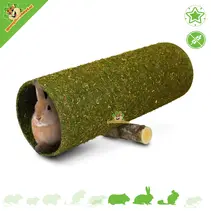
| Tunnels and shelters | Sheltered movement and exploration | Choose plenty of space and place them without blocking walkways. |
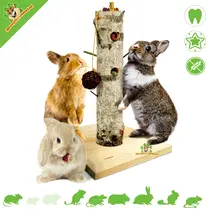
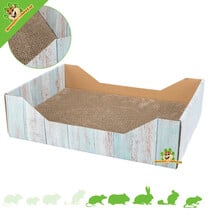
| Chewing material | Natural snacking and extra activity | Check regularly for wear and sharp parts. |
Which forage product suits your guinea pig?
Not every guinea pig plays in the same way. Some are curious and immediately start exploring. Others are more cautious and need a simple, recognizable task first. Therefore, start with something low-threshold and see what your guinea pig enjoys.
| Situation | Often a suitable choice | Why? |
|---|---|---|
| Cautious guinea pig | Snuffle mat or herbs mixed with the hay | Quiet, down-to-earth, and easy to understand. |
| Curious guinea pig | Snack ball, snack roll or snack plate | Provides more challenge and lets your guinea pig actively search. |
| Group of guinea pigs | Multiple search spots | This is how you prevent one guinea pig from claiming everything. |
| Guinea pig eats fast | Snack board or snuffle mat | The food takes longer and requires more searching. |
| Guinea pigs often stay in their little houses. | Tunnel route with small herb trail | Makes moving between hiding places more attractive. |
Foraging with hay, herbs, and snacks
Hay is the best basis for quiet foraging. You can mix a small amount of dried herbs, flowers, or leaves into the hay so that your guinea pig has to sniff and search more. This keeps the hay time interesting without changing the basics.
Use snacks in small, deliberate ways. It is better to distribute a few small pieces across multiple spots than one large snack all at once. This is especially helpful with multiple guinea pigs, as they are less likely to gather at one spot.
Guinea pig hay
The daily basic and ideal for making small herb moments more interesting.
Guinea pig herbs
Dried herbs, flowers, and leaves for fragrant variety and sniffing moments.
Guinea pig snacks
Small extras for rewarding, variety, and targeted searching.
Playing and foraging in the guinea pig cage
Guinea pig toys work best when they fit the layout of the cage. First, consider open run space, a hay corner, water, food, houses, and tunnels. Then, choose one or two foraging spots that make the enclosure more interesting without blocking the routes.
In a C&C guinea pig cage, you can work very effectively with zones. For example, you can create a sniffing area near a tunnel, a herb corner next to the hay corner, or a snack board on a dry, flat spot. Keep it clear so that your guinea pigs can pass each other.
Guinea pig tunnels
For sheltered routes and quiet moments of discovery at the accommodation.
Guinea pig houses
For peace, shelter, and safe starting points for exploration.
Guinea pig hay racks
For a permanent hay corner where you can also add herbs or small foraging moments.
Gradually build up foraging
Not every guinea pig understands new toys immediately. Therefore, start simple. First, place a treat in plain sight, then a little bit among hay or in a snuffle mat. Only when your guinea pig understands what the intention is can you make it slightly more challenging.
For cautious guinea pigs, it is important that they do not become frustrated. A product that is too difficult can actually be ignored. A good foraging moment feels relaxed: your guinea pig sniffs, tries, finds something, and comes back later.
✔ Start with simple search spots.
✔ Use small amounts of herbs, snacks, or food.
✔ Only make it more difficult when your guinea pig understands it.
✔ Give multiple guinea pigs multiple search spots.
✔ Remove leftovers before they get dirty or wet.
DRD chooses: enrichment that matches guinea pig behavior
At DRD, we don't choose guinea pig toys just because they look nice. We primarily look at whether they suit guinea pig behavior: sniffing, searching, nibbling, moving in sheltered areas, and quietly exploring.
A good foraging product makes the day more interesting without causing stress or chaos. Therefore, guinea pig enrichment works best when it is small, clear, and logically incorporated into the enclosure.
Convenient to combine with guinea pig playing & foraging
Food & search material
Guinea pig hay • Guinea pig herbs • Fresh guinea pig herbs • Guinea pig snacks • Guinea pig food and nutrition
Layout & routes
Guinea pig tunnels • Guinea pig houses • Guinea pig hay racks • Guinea pig gnawing material
Stay & bottom
Guinea pig cage • C&C guinea pig cages • Guinea pig bedding • Guinea pig floor mats and pee pads
Behavior & decision support
Guinea Pig Language • Pairing Guinea Pigs • Taming a Guinea Pig • Guinea Pig Cage Selection Guide
Checklist – choosing guinea pig toys
✓ Is the toy suitable for guinea pigs and can it be used close to the ground?
✓ Can your guinea pig reach it calmly without climbing or squeezing?
✓ Do you use small amounts of herbs, snacks, or food?
✓ Do hay, water, feed, and walking routes remain easily accessible?
✓ Are there multiple search spots with multiple guinea pigs?
✓ Can you easily inspect and clean the product?
✓ Does it fit with the rest of the enclosure without making the cage too full?
Important to know
Regularly inspect toys, snuffle mats, treat balls, tunnels, and gnawing material for wear, moisture, dirt, loose parts, and gnawing damage. Remove products when they are no longer neat or safe to use.
Use snacks, fruit, and extras consciously. Foraging doesn't have to mean feeding more; you can also use a portion of the regular food or a small amount of herbs as a foraging moment.
Frequently asked questions about guinea pig play & foraging
Do guinea pigs play with toys?
Guinea pigs play differently than dogs or cats. They especially enjoy sniffing, searching, nibbling, hiding, walking in sheltered areas, and short feeding times where they are quietly occupied.
What is suitable toy for guinea pigs?
Suitable toys for guinea pigs are low, stable, and geared towards natural behavior. Think of snuffle mats, treat balls, treat rolls, treat plates, tunnels, herb toys, and gnawing material.
What does foraging mean for guinea pigs?
Foraging means searching for food. With guinea pigs, you can encourage this with hay, herbs, small snacks, sniffing mats, treat plates, or multiple small searching spots in the enclosure.
Is a snuffle mat suitable for guinea pigs?
Yes, a snuffle mat can be suitable for guinea pigs when used with dry herbs, small snacks, or part of their food. Check the mat regularly for moisture, dirt, and gnawing damage.
How do you prevent guinea pigs from fighting over snacks?
Create multiple small foraging spots instead of one central feeding area. This way, guinea pigs can search separately and you prevent one animal from claiming everything.
Can you mix herbs into the hay?
Yes, a few dried herbs, flowers, or leaves mixed into the hay can make the haymaking moment more interesting. Hay remains the foundation, though.
Are snack balls suitable for guinea pigs?
Treat balls can be suitable if they match the size of guinea pigs and roll quietly. Use small amounts and check if your guinea pig understands the product without frustration.
How often do you give guinea pigs foraging toys?
This is possible regularly, as long as you keep the amount of extra food or snacks limited. For example, use a portion of the regular food or small amounts of herbs as search material.
Can forage in a C&C guinea pig cage?
Yes, working with zones is particularly effective in a C&C guinea pig cage. For example, create a hay corner, sniffing area, tunnel route, and dry food area without blocking the run.
What do you combine with guinea pig foraging?
Combine foraging products with hay, herbs, snacks, tunnels, houses, hay racks, gnawing material, and a spacious, well-organized setup.
✓ Guinea pig toys and foraging products for searching, sniffing, and quiet exploration
✓ Easy to combine with hay, herbs, snacks, tunnels, houses, and gnawing material
✓ Practical for guinea pig cages, C&C enclosures, runs, and daily enrichment
✓ Ordered before 5 PM, shipped the same day
✓ Specialist since 2011
✓ Delivered from our own stock
Unsure which forage product best suits your guinea pigs and enclosure? Feel free to contact us via our contact page . We are happy to help you decide.
