 Polski


Hamster snack selection guide – healthy rewards, foraging & smart portions
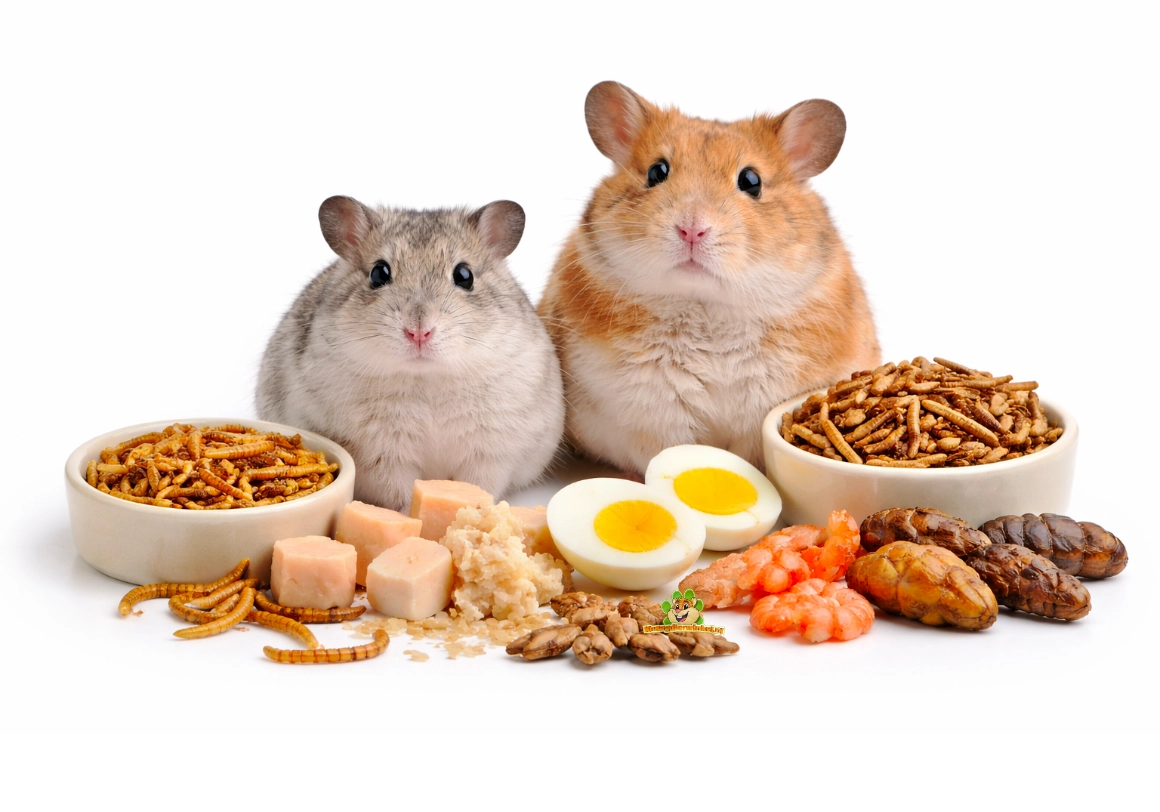 Snacks are ideal for building trust, providing variety, and encouraging natural behavior. The secret isn't "lots," but small portions, smart choices, and using snack time as an activity (foraging). This selection guide explains which types of snacks are best for hamsters, how often to feed them, and how to use them without compromising a good basic diet. DRD Rodent Shop® has been a specialist since 2011 and helps you choose based on safety, well-being, and practicality.
Directly to the Hamster shop: Hamster (all) · Hamster snacks · Dried vegetables · Herbs & seeds · Animal proteins
Quick to:
Snack checklist (quick, good basic)
- ✓ See snacks as a tool : reward, enrich (foraging), and an occasional treat — not as an “extra meal.”
- ✓ Work with mini portions . With small animals, "a little" can easily become a lot.
- ✓ Choose herbs/botanicals and vegetable toppers more often; give fruit and high-calorie snacks sparingly.
- ✓ Introduce new treats one at a time and start very small, so you can see what suits your hamster.
- ✓ Prevent a “nesting stock” of fresh snacks: give small amounts and remove leftovers in time.
- ✓ Combine wisely: snack time = short check-in time (water, activity, nest, wet spots).
✓ Reward without overfeeding
Small portions, cleverly chosen – appropriate for type and size.
✓ Variation that is useful
Herbs and vegetables as a snack that also enriches (smell, searching, collecting).
✓ Foraging = activity
Let your hamster search and "hoard"; this provides peace and challenge.
Hamster species – information pages
Not every hamster is the same. The species, size, and eating habits determine which treats are practical and how to portion them out. Also check out the species pages:
- Roborovski dwarf hamster – information
- Russian dwarf hamster – information
- Campbell's dwarf hamster – information
- Chinese dwarf hamster – information
- Syrian hamster (golden hamster) – information
- Hamster (corn wolf) – information
What is a “good snack”?
A good snack is primarily small , repeatable , and easy to portion . Think in terms of functions:
- Reward: Mini treats to build trust and train calm handling.
- Enrichment: scattering/searching (foraging), so that your hamster is busy collecting and searching.
- Treat: a little something extra every now and then, but always kept small.
Want to tailor snacks to your basic needs? Combine this with your food choices: Hamster Food Selection Guide and Dwarf Hamster Food Selection Guide .
Snack types: what is appropriate when?
1) Herbs, flowers & seeds
These are often the most practical "daily" snacks: they're light, fragrant, and ideal for sprinkling or rewarding individually. It's best to choose simple, recognizable ingredients. See: Hamster herbs & seeds .
2) Dried vegetables
Dried vegetables are easy to portion and work well as a foraging topping or mini-reward. See here: Hamster Dried Vegetables .
3) Dried fruit
Fruit is usually a real treat. Give it in small doses and don't feed it as a fixed daily routine. For dwarf hamsters, it's often more practical to use fruit sparingly and opt for vegetables and herbs more often. See: Hamster dried fruit .
4) Animal proteins
Many hamsters love insect treats as a reward. Give them in small doses, and complement their regular diet (not "on top" of an already high-protein diet). More information can be found here: Animal protein selection guide and in the shop: Hamster animal proteins .
5) Gnawing & activity snacks
Use gnawing and activity items primarily for challenge and natural destructive/gnawing behavior. Choose appropriate sizes and make sure it doesn't become a "treat block." Combine with: Hamster Gnawing Material and Play & Foraging .
Portions & frequency (practical)
Treats don't have to be large to be effective. Mini treats are ideal: you can reward more often without overdoing it. Use this as a sensible starting point and adjust based on your hamster's needs:
- Dwarf hamster: Choose mini-rewards (e.g., a small seed or mini vegetable chip). More frequent treats are fine, as long as they remain small.
- Golden hamster: slightly larger pieces are fine, but keep it functional (reward/foraging) and not “snacking out of habit”.
- Fruit: Preferably occasionally and extra small; vegetables/herbs are often more convenient as a routine snack.
- Protein snacks: small and in intervals; match your hamster's regular diet and activity level.
Tip: Sprinkle (some of) the treats throughout the enclosure. This often works better than putting everything in one bowl.
Rewarding & taming with snacks
Treats are perfect for building trust. Choose something you can give one at a time and that doesn't crumble or stick. Work calmly and predictably:
- Step 1: Reward for calm presence (hand nearby, no quick movements).
- Step 2: Reward for approach (hamster comes to you).
- Step 3: Reward for “stepping on” (hand/palm or via a tube).
- Step 4: Lift briefly and immediately return safely, with a reward afterwards.
Handy for safe transport (cleaning/vet): use a transport box rather than “catching”: Hamster transport boxes .
Using snacks for foraging (hamsterscaping-proof)
Hamsters are foragers. By hiding, scattering, and layering treats, you encourage natural behavior: searching, digging, sorting, and creating a "stash." This often leads to a noticeable increase in peace and activity.
Practical ideas:
- Sprinkle a small amount between bedding or in a digging zone.
- Use foraging toys or paper rolls (safe and easy).
- Work with “toppers”: a few herbs/flowers over the basic food.
- Create several mini search spots instead of one large “snack spot.”
Useful categories: Hamsterscaping · Play & Foraging · Bedding
Storage & hygiene (without hassle)
- ✓ Remove any leftover fresh snacks in time (especially if they disappear into the nest).
- ✓ Store dried snacks in a dry place and sealed; this way they stay attractive and fresh for longer.
- ✓ Combine snack moments with a quick check: water, activity, nest and wet spots.
- ✓ Use a spot clean method instead of replacing everything completely each time; this often keeps the residence quieter.
Handy combination: Sand & sand bath Cleaning products
Safety (snacks)
- ✓ Introduce new snacks one at a time and start extra small.
- ✓ Do not give salty, spicy or sweet “people food” (such as cookies, chips, chocolate).
- ✓ Avoid large, sticky or quickly perishable portions that could disappear into the nest.
- ✓ Check activity snacks for size, material and suitability for your hamster.
- ✓ In case of sudden changes in eating, drinking or behaviour: if in doubt, consult a veterinarian.
Read more (extra depth)
Want to make your entire hamster care plan work (food, habitat, and enrichment)? See also:
Useful Hamster shopping links (most relevant)
Snacks & variety:
Snacks · Herbs & seeds · Dried vegetables · Dried fruit · Animal proteins · Fresh hamster plants
Enrichment (snacks = activity):
Hamsterscaping · Playing & foraging · Gnawing material
Basic to combine well:
Hamster food · Hamster cages · Houses · Tunnels · Sand & sand bath · Drinking bottles & water bowls
For general background information you can also consult the LICG .
FAQ – hamster snacks
Which snacks can I give most often?
Herbs/botanicals and small vegetable toppers are often the most practical for regular use, as long as you dose them small.
What is a good training snack?
Something you can give individually: loose seeds, mini herb pieces, a small vegetable chip or a small insect.
Why does everything disappear into the nest?
Hoarding is normal behavior. Give smaller portions and distribute treats throughout the enclosure instead of in one pile.
Are snacks necessary?
Not "necessary," but very useful for rewarding and enrichment. It works best when you use snacks deliberately and in moderation.
Tip: Want to quickly choose from our selection? Start with: Hamster snacks .
✓ Smart rewards with mini portions and a clear routine
✓ Enrichment through foraging, hoarding and variation
✓ Selection assistance and in-depth information from a specialist since 2011
Would you like us to help you decide which snacks are best suited to your hamster and your regular diet? Check out our customer service page .
