Polski

Basic degu setup – deep digging base, climbing frame, sand bath, hay corner & gnawing material with shopping list
Basic degu structure – digging floor, climbing and foraging as a solid base
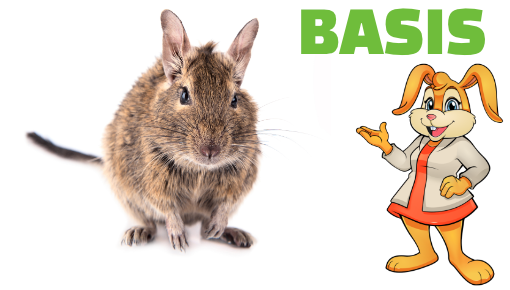
Degus are true social animals and belong with their own kind. They are active animals that enjoy digging , climbing , gnawing, and foraging. A good basic setup isn't about "lots of stuff," but about the right structure: a deep digging base, safe hiding places, strong climbing opportunities, a sand bath, a fixed hay corner, and plenty of gnawing material.
DRD Rodent Shop® has been a specialist since 2011. On this inspiration page, you'll find a well-thought-out basic design with logical zones. Below, you can shop the products from this basic setup directly.
- 1) Ground cover: deep digging soil
- 2) Hiding places & nesting behavior
- 3) Climbing, scrambling & walking routes
- 4) Food, hay corner & water
- 5) Sand bath & sandbox
- 6) Rodent material, foraging & enrichment
- 7) Running wheel: size & safety
- 8) Maintenance & hygiene
- 9) Safety & common mistakes
- FAQ
- Shop the complete basics
Degus dig tunnels. Provide a thick layer so that digging is truly "possible" and the enclosure immediately feels more natural.
Strong platforms, safe climbing routes and sufficient gnawing material keep the group busy and prevent "demolition stress".
A sandbox with suitable chinchilla sand helps to groom the coat and provides additional activity.
1) Ground cover: deep digging soil
In the wild, degus create elaborate tunnel systems. If you want to replicate this behavior in your home, the substrate is your starting point. Choose substrate that will hold tunnels securely and lay a layer of at least 20–30 cm (more is always acceptable). See: degu substrate .
2) Hiding places & nesting behavior
Group animals also need some privacy. Set up the enclosure so that there's at least one hiding place per animal , plus additional areas to escape the crowds. Houses with two openings often work well in a group. See: degu houses and add nesting material for true "nesting behavior": degu nesting material .
3) Climbing, scrambling & walking routes
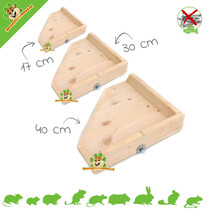
Degus are active and enjoy height differences and routes. Use sturdy platforms, ladders, and natural climbing structures, and build a "loop" so they can walk, run, and pass each other. See: degu platforms & ladders and combine with natural decor: natural decor .
4) Food, hay corner & water
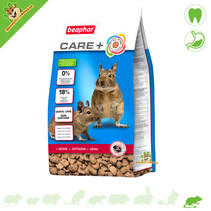
Degus need food that meets their species-specific needs. Therefore, choose a degu-appropriate diet and create dedicated feeding stations with sturdy bowls. See: degu food and feeding bowls .
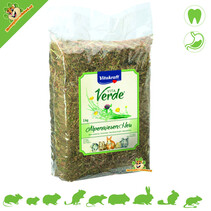
Hay should always be available. Create a permanent hay area with a manger: degoe hay and hay & mangers . Water is best offered in a chew-resistant drinking solution: drinking bottles and water bowls .
5) Sand bath & sandbox
Degus use a sand bath to groom their fur. Choose a sandbox that is sturdy and preferably chew-resistant. Fill it with suitable chinchilla sand and ensure the box remains stable. See: degu sand & sandboxes .
6) Rodent material, foraging & enrichment
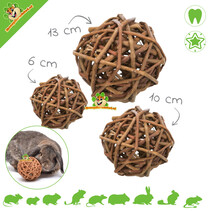
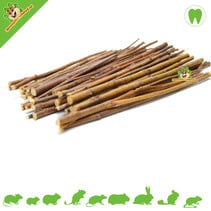
Degus gnaw a lot. Therefore, always provide several types of gnawing materials and vary them. Combine this with a foraging challenge: hide food in toys, sprinkle herbs, or use sniffing and searching toys. See: degu gnawing materials and degu playing & foraging .
Snacks should be given consciously and sparingly, in keeping with degu food: degu snacks .
7) Running wheel: size & safety
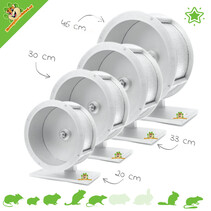
An exercise wheel can provide extra exercise, provided you choose the right size. For degus, you'll want a diameter of at least 33 cm and a sturdy, stable model. See: degu exercise wheels .
Checklist basic degu setup
- Deep ground cover (min. 20–30 cm) for digging
- Minimum 1 shelter per animal + additional places to escape
- Nesting material for comfort and nesting behavior
- Sturdy platforms & ladders + stable climbing routes
- Degu food + sturdy food bowls
- Unlimited hay + hay rack
- Rodent material (multiple types) + foraging/enrichment
- Sandbox + suitable sand
- Drinking facility (preferably gnaw-proof)
- Running wheel (optional, min. 33 cm)
8) Maintenance & hygiene
- Daily: remove wet spots, change water, top up hay.
- Several times a week: update ground cover and check hiding places.
- Periodically: check the equipment for wear and tear (gnawing damage) and check routes/stability.
- Sandbox: Keep the sand clean by sieving/replacing it according to product instructions.
9) Safety & common mistakes
- Too thin a substrate: without depth, degus cannot dig and unrest will arise more quickly.
- Insufficient hiding places: always provide alternatives, especially in groups.
- Unstable climbing objects: secure everything firmly and check regularly for looseness.
- Too little gnawing material: then they shift their urge to gnaw to “everything that is there”.
FAQ – basic degu setup
How deep should the ground cover be?
We recommend a minimum depth of 20–30 cm. Greater depth creates more attractive tunnels and more natural behavior.
Why is foraging so important?
Degus are intelligent, active animals. Searching and working for food provides challenge and prevents boredom.
Is an exercise wheel mandatory?
No, it's an extra. If you use one, always choose the correct size (at least 33 cm) and a sturdy model.
Where can I find everything for degus in one overview?
Go to the Degoe Webshop .
Shop the complete basics (products in this category)
Below you'll find the products that fit this basic setup. Tip: start with a deep digging base + hiding places + hay corner , and then expand with climbing, gnawing material, and forage enrichment. Want to see all the examples? Visit all the inspiration pages .
General information about degus can also be found at LICG: licg.nl .