Polski

Hamster cage selection guide – how to choose safely and generously for dwarf hamsters and golden hamsters
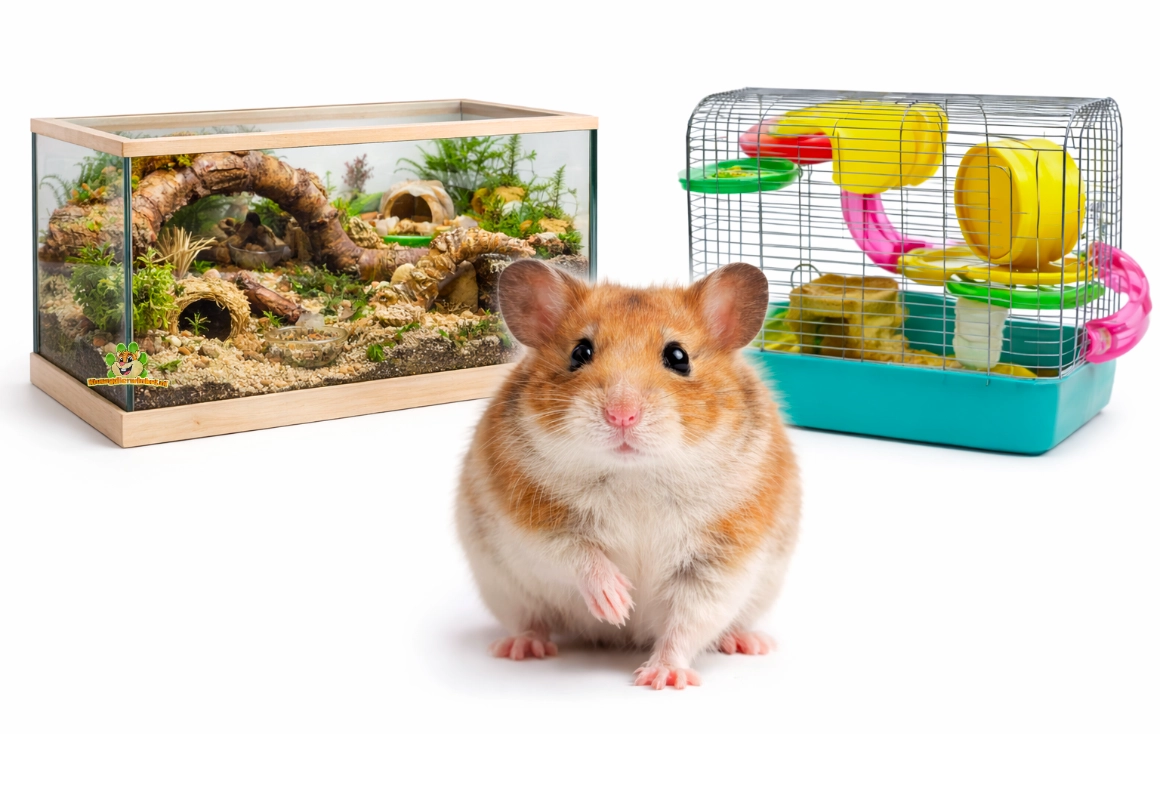 A hamster cage is much more than just a "barred box." For hamsters, a good habitat revolves around floor space, deep substrate for digging, resting areas, and well-designed areas (sleeping, foraging, sand bathing, running). This guide provides step-by-step instructions on what to consider when choosing a cage for a dwarf hamster (e.g., Roborovski, Russian, Campbell's, Chinese hamster) or a Syrian hamster.
This is an information page/selection guide . Want to shop right away? Then check out our Hamster Cages category. Prefer personalized advice? Feel free to contact us via our service page .
DRD Rodent Shop® has been a specialist since 2011: we select products based on animal friendliness, safety, and practical applicability.
Quickly to
✓ Focus on ground space
Hamsters live “horizontally”: ground surface and layout are more important than height.
✓ Deep excavation layer = rest
A thick, stable ground cover allows digging and helps prevent stressful behaviour.
✓ Safe & practical
Good ventilation without draughts, rodent-resistant materials and clever design prevent accidents.
1) Sizing: How big should a hamster cage be?
Size is key. A larger enclosure isn't a luxury, but it does give your hamster more opportunities to exhibit natural behaviors: walking, foraging, digging, and sleeping in a sheltered area.
Practical guideline (ground dimensions)
- Dwarf hamster: minimum 70 × 50 cm (larger is better for division and enrichment).
- Golden hamster (Syrian hamster): minimum 100 × 50 cm (or larger).
Tip: When in doubt, always choose the larger size. This makes safe setup (wheel, sand bath, houses, digging area) much easier.
Height can be useful for a safe platform or a sturdy running wheel, but avoid excessive drops. Hamsters have poor depth perception, so work with low levels, edges, and "soft landing zones."
2) Terrarium, glass cage or barred cage: which is better?
In practice, we see that a glass tank (terrarium/aquarium) often works best for hamsters, mainly because you can more easily offer a deep digging layer and create a calm, tidy layout.
Glass terrarium (recommended)
- Ideal for deep ground cover and digging
- Calmer (fewer external stimuli)
- Good for zoning (sleeping/food/sand/run)
Note: Cover with mesh for ventilation, but prevent your hamster from chewing the mesh.
Bar cage (only with deep base)
- Lots of ventilation
- Pay extra attention to drafts and bar spacing (especially with dwarf hamsters)
- Often difficult to fill in really deeply
When choosing barred cages, it is best to choose a model with a high, deep base and a bar section that is not too high (risk of climbing) .
Looking for inspiration for natural interior design? Check out our Hamsterscaping page.
3) Ground cover & excavation layer: as deep and as safe as possible
Digging isn't a "perk"; it's a core need. A hamster that can't dig becomes frustrated more quickly and can develop unwanted behaviors (such as bar-biting or restlessness).
Depth of ground cover
- Ideal: as deep as possible, preferably 40–50 cm where safe.
- Minimum: 15 cm for dwarf hamsters and 25 cm for golden hamsters.
- The deeper the better – provided the device is installed safely (see safety tips below).
Preferably choose a low-dust, diggable substrate that allows tunnels to form. Tip: Mixing can help (e.g., a substrate with fiber/puppy lines and a stabilizing component). You'll find many options in our category: Hamster substrate .
4) Ventilation, draft and space in the house
Good ventilation is important, but drafts are not. Place the cage in a quiet location:
- Keep out of direct sunlight (overheating)
- Not next to heating or air conditioning
- Not on the floor in a drafty hallway
- Quiet in the evening: hamsters are mainly active at dusk/night
5) Essential furnishings: what should be included as a minimum?
A good hamster cage has several "zones": a sleeping zone, a digging zone, a sand zone, and a running/walking zone. These are the basic elements:
- Dark hiding place/sleeping place: preferably a (multi-room) house with a controllable roof. Shop: Hamster Houses
- Nesting material: soft, safe, and suitable for building a nest. Shop: Hamster nesting material
- Running wheel (correct size): to keep the back straight while running. Shop: Hamster running wheels
- Sand bath: for coat care and natural behavior. Shop: Hamster sand & sand bath
- Foraging & Enrichment: Make your hamster work for its food with food toys and hiding places. Shop: Play & Foraging
- Gnawing material: for gnawing and destroying (natural behavior). Shop: Hamster gnawing material
- Food & water: appropriate basic food, possibly a food bowl/water bowl or drinking bottle. Shop: Hamster food , Food bowls , Drinking bottles & water bowls
Extras that often make the difference: Tunnels , cage accessories , and a safe hamster run for controlled outdoor use.
6) Maintenance & cleaning without stress
Practical routine
- Daily: remove wet spots + check food/water.
- Weekly: Spot clean corners and toilet areas, strain/refresh sand bath where necessary.
- Spring cleaning: avoid emptying the nest box too often; always keep a little clean litter/nest scent to reduce stress.
Need cleaning supplies? Check out hamster cleaning products .
7) Security Check: Common Mistakes
- Too small a residence: difficult to furnish, more likely to lead to unrest and frustration.
- Insufficient digging depth: no room for natural digging behaviour.
- Heavy items loose on litter: Place heavy houses/rocks/walkways on a sturdy platform or solid surface so your hamster can't dig in and get stuck.
- High drop heights: use low floors, edges and stable walking routes.
- Draft through bars or mesh: ventilation is good, draft is not.
- Unsafe materials: sharp edges, splinters, loose staples, or materials that can be chewed hard.
8) Checklist: choosing the right hamster cage in 2 minutes
- Size: minimum 70×50 (dwarf hamster) or 100×50 (golden hamster)
- Digging layer: minimum 15 cm (dwarf hamster) / 25 cm (golden hamster) – preferably deeper
- Type of habitat: terrarium or cage with deep base
- Ventilation: fresh air without draughts
- Shelter: at least 1 dark shelter (preferably more)
- Running wheel: correct diameter so that the back remains straight
- Sand bath: permanent place in the enclosure
- Enrichment: foraging, gnawing, tunnels and safe routes
- Practical: easy to spot-clean without demolishing everything
9) Frequently Asked Questions about Hamster Cages
Is a barred cage bad for hamsters?
Not necessarily, but it should have a deep base for sufficient bedding, and the bar spacing should be safe (especially for dwarf hamsters). At least a maximum of 1 cm. Many standard cages with bars are simply too small or too shallow. A bar section that is too high can encourage climbing and falling, and can also lead to problematic behaviors like bar chewing.
Why do you often recommend a terrarium?
Because this is the easiest way to create a deep, stable digging layer and allows you to organize the enclosure in a calm and orderly manner. This helps hamsters exhibit natural behavior.
How do I prevent my hamster from drowning in the substrate?
Provide sturdy walking paths and place heavy items stably (for example, on a platform or solid ground). Work in zones: a deep digging zone and a compact run/feeding zone. Use platforms to place houses and wheels on these, so they remain stable and don't get buried by the ground cover.
What if my hamster doesn't dig?
That's okay, not all hamsters dig on their own. This can sometimes be caused by the substrate being too loose or collapsing. Try a more stable substrate or a mix, and provide sufficient depth. Some hamsters dig primarily when they feel safe (with plenty of hiding places).
Read more: information per hamster species
Also see our hamster information pages: Hamster information (overview) , Golden hamster information , Roborovski dwarf hamster , Russian dwarf hamster , Campbell's dwarf hamster , Chinese dwarf hamster .
✓ Specialist since 2011 | ✓ Selected for safety & well-being | ✓ Personal advice
Ready to choose or upgrade your hamster enclosure? Start with Hamster Cages and add the essentials right away: bedding , nesting material , a wheel , and a sand bath .