 Polski

Linseed flax bedding for rodents and rabbits
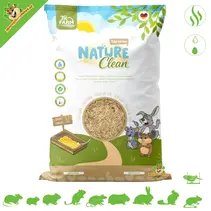
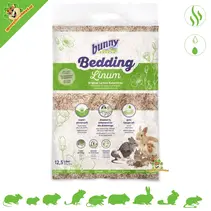
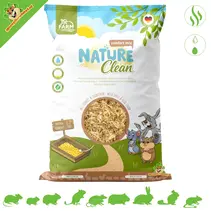
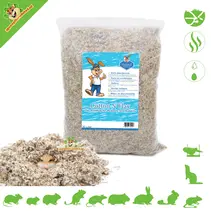
Linseed flax bedding for rodents and rabbits
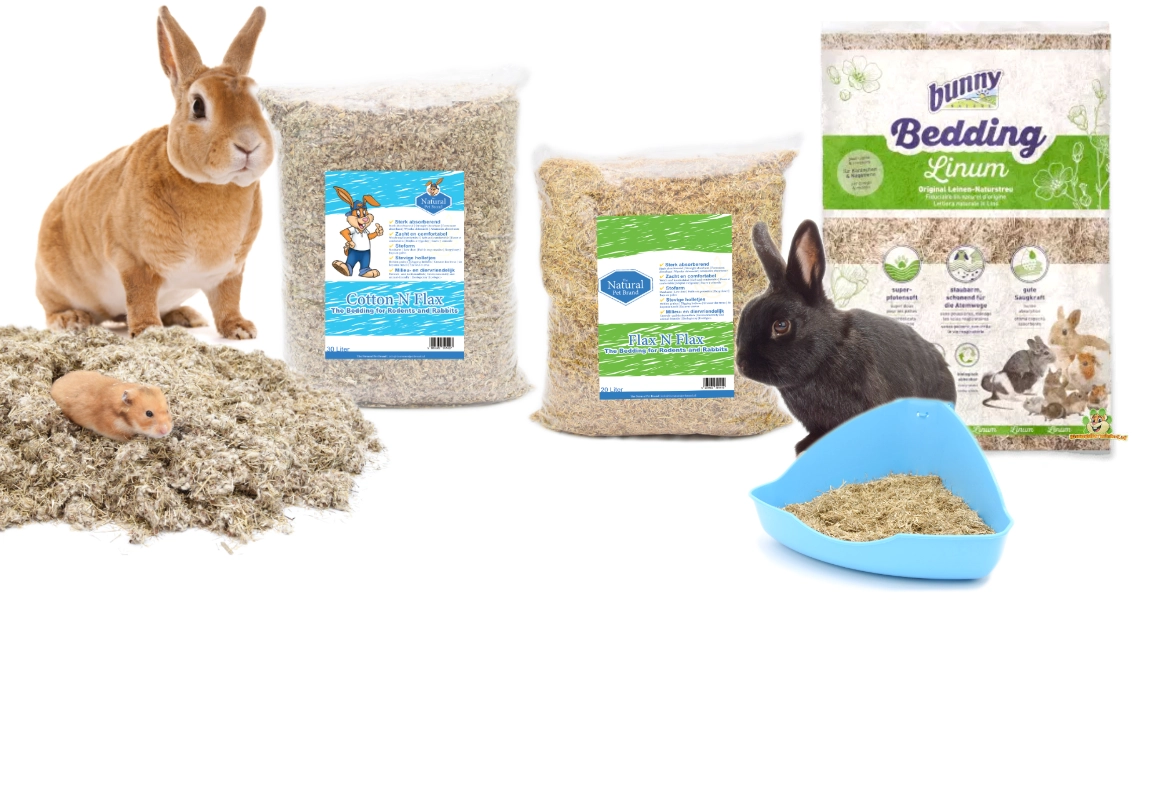 Flax bedding is a popular choice if you want a practical, fresh, and comfortable habitat. It absorbs moisture well, helps reduce odors, and feels pleasant under paws. At DRD Rodent Shop® (specialists since 2011), you'll find a well-thought-out range of flax products and a clear selection guide, so you can quickly find the right match for your pet and your habitat.
Handy as a base layer or toilet zone: moisture is quickly absorbed and wet spots can be tackled in a targeted manner.
Flax feels comfortable and is ideal for animals that like to rest on the ground or move around a lot.
Fast delivery from our own stock and practical selection aid for combining, layering and maintenance.
Why flax ground cover?
Flax (linseed flax) is a plant-based ground cover often chosen to simplify daily maintenance. It works well as a base layer, in restrooms, or as part of a smart layering system.
- Good moisture absorption: helps keep the surface drier.
- Helps keep the enclosure fresher, especially in areas where your pet urinates most.
- Comfortable feeling under the paws.
- Practical: wet spots can often be removed in a targeted manner.
What types of flax can you find here?
In this subcategory, you'll find various flax varieties, such as pure flax bedding and mixed products. The differences usually lie in texture, softness, and preferred use (for example, as a base layer or an extra comfort zone).
Selection aid per animal
Flax can be used in various ways. Below you'll see what works best in practice for each animal species.
- Rabbits ( see rabbit ): ideal for litter boxes and fixed pee areas; can be combined with pee mats for extra convenience.
- Guinea pigs ( see guinea pig ): good as an absorbent base layer, especially under a hay patch; targeted cleaning works quickly.
- Chinchillas & degus ( chinchilla / degu ): flax as a substrate is possible, but a sand bath remains important; see sand & sand baths .
- Hamsters & gerbils ( hamster / gerbil ): Flax is useful as an absorbent layer, but a deeper mix often works better for digging. Combine with paper and cardboard or wood fiber .
- Rats & mice ( rat /mouse ): often pleasant as clean, practical ground cover; refresh wet areas regularly and ensure it remains dry.
Combining & layering
A smart approach is to work with zones. This keeps the enclosure clean for longer and the design better reflects natural behavior.
- Toilet zone: flax often works very well in places where most moisture accumulates.
- Resting zone: combine with a softer substrate or a mat and add nesting material where appropriate.
- Digging zone: for diggers (such as hamsters/gerbils) a deeper layer with paper , wood fibre or hemp often works very well, with flax as a practical "dry zone".
How much ground cover do you need?
Calculate the volume with this formula:
(L × W × layer thickness in cm) / 1000 = liters
- Are you working with zones? Calculate per zone and add the liters together.
- For diggers, a thicker layer helps to create a stable base.
- Top up where necessary: especially in restrooms and favorite corners.
- Use a scoop or measuring cup to easily keep track of how much you use.
Example: 100 × 50 cm with 15 cm layer thickness → (100 × 50 × 15) / 1000 = 75 liters
| Base size | 10 cm | 15 cm | 20 cm | 30 cm |
|---|---|---|---|---|
| 80 × 40 cm | 32 L | 48 L | 64 L | 96 L |
| 100 × 40 cm | 40 L | 60 L | 80 L | 120 L |
| 100 × 50 cm | 50 L | 75 L | 100 L | 150 L |
Want to see more bedding? Go to Bedding & Nesting Material .
Checklist: how to choose flax that suits your stay
- Are you using flax as a base layer , toilet zone or part of a mix ?
- Does the structure suit your animal (calm use vs. fanatical digging)?
- If you're working with zones, plan a separate digging or resting area.
- Take maintenance into account: targeted refilling and removing wet spots saves a lot of work.
Hygiene & maintenance
- Remove wet spots daily and replace where necessary.
- Refresh the toilet area more often than the rest of the enclosure.
- Store bedding dry and well sealed, out of direct sunlight.
- Give feeding and hay areas extra cleaning; these areas often get busiest the fastest.
Safe use
- Use a stable surface under heavy items (houses, platforms) so that the bottom cannot sink.
- Ventilate the enclosure well and prevent the bedding from remaining damp for long periods of time.
- Check corners and under hiding places regularly; that's where wet spots are most likely to appear.
- For avid diggers: combine flax with a deeper, cohesive layer in the digging zone.
Frequently asked questions about flax ground cover
Is flax suitable for rabbits and guinea pigs?
Yes, flax is often used as a practical base layer or toilet filler. It can help make wet spots more manageable.
Can I use flax for hamsters?
That's possible, especially as an absorbent zone. For graves, a deeper mix of materials like paper/wood/hemp often works better, with flax as a "dry spot."
How often should I change?
That depends on the animal, the habitat, and the area designated for the area. Many people remove wet spots daily and change the toilet area more often. A complete change is done when necessary.
What is the difference between flax and hemp?
Both are plant-based and practical. The difference lies mainly in the structure and how you use it (toilet zone, base layer, or mix). Choose what best suits your pet and your grooming routine.
Can I combine flax with other ground cover?
Absolutely. Many enclosures work best with zones or layered structures. Combine them with paper, wood, or hemp, for example, and add nesting material where appropriate.
