 Polski

Mongolian Gerbil Information – Care, Housing (Gerbilarium/Cage) & Feeding
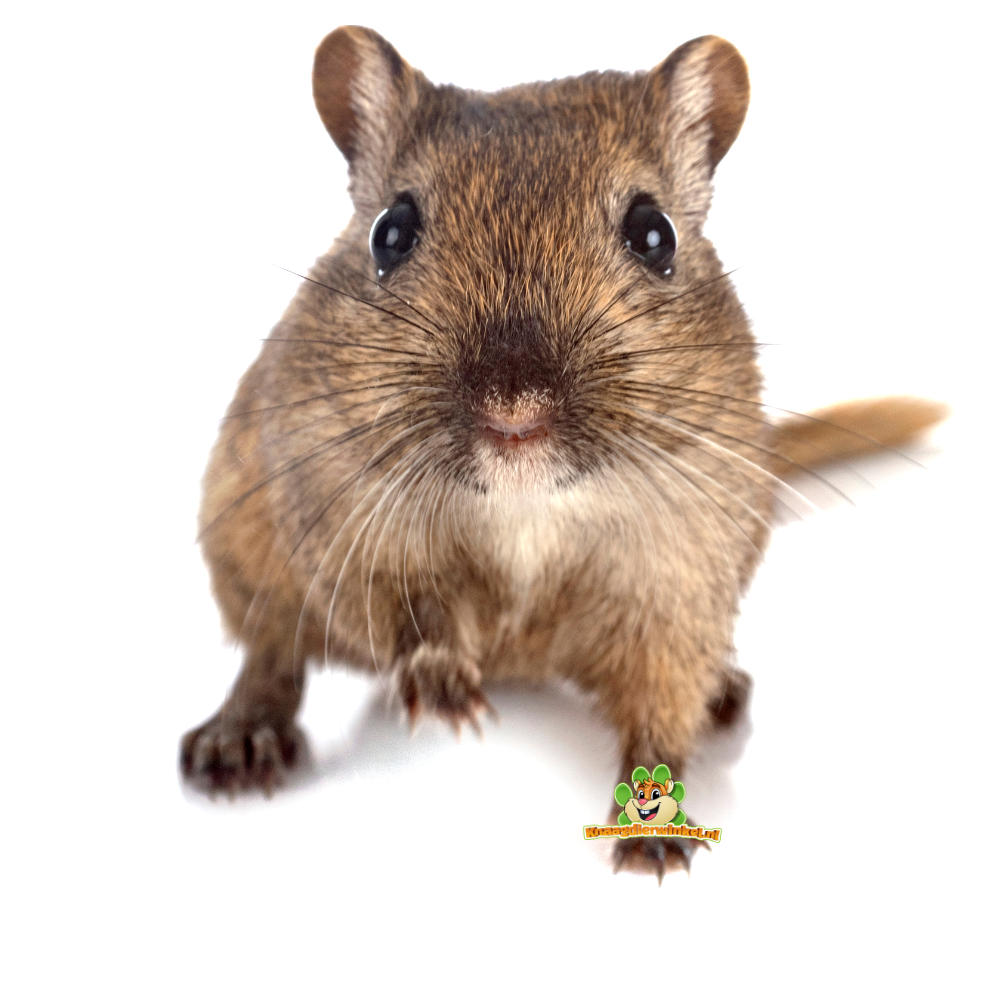 The Mongolian gerbil ( Meriones unguiculatus ) is an active, curious desert animal that delights in watching: digging, building tunnels, foraging, and "talking" together with its own kind. While not a classic cuddly pet, it is an animal with a lot of character. On this page, you'll find the basics that make the biggest difference in practice: keeping them together , habitat and digging layer , sand bath , food , and furnishings . DRD Rodent Shop® has been a specialist since 2011 and is happy to help you choose a logical, safe setup.
Directly to the range: Gerbil (all) · Gerbil Cage & Housing · Gerbil Bedding · Sand & Sandboxes · Gerbil Food
Quick to:
Mongolian gerbil checklist (strong foundation)
- ✓ Preferably keep them as a stable duo (same sex) from an existing group.
- ✓ Choose a shelter with plenty of floor space and room for a deep digging layer .
- ✓ Create a permanent sand zone (sandbox) for rolling behavior/care and clear maintenance.
- ✓ Design = routes + hiding places : houses, tunnels, stable platforms, foraging areas.
- ✓ Add gnawing material (natural) and choose a safe, appropriately sized running wheel (closed running surface).
- ✓ Food with structure : basic food + controlled variation, always fresh water.
✓ Social in duo
Mongolian gerbils enjoy living with a companion. Peace and stability in the group are more important than "more animals."
✓ Digging and demolition are part of it
A good digging layer and rodent-proof choices prevent frustration and make the enclosure "functional".
✓ Sand zone = solid base
A sandbox is practical: care, enrichment and a logical "toilet/rolling area" in the enclosure.
Character & daily rhythm: active, curious and likes to keep busy
Mongolian gerbils are energetic and inquisitive. You often see them most often in the morning and evening, but many animals are also awake regularly during the day. They communicate a lot with each other (posture, scent, vocalizations) and love to dig, drag, and forage. Hand-taming is easy, but the pace depends on the gerbil: approaching them calmly, providing predictability, and rewarding them usually works best.
Keeping together: choose a stable duo (and be careful with re-pairing)
Mongolian gerbils are generally best kept as a same-sex pair (for example, two brothers or two sisters) from an existing group. Combining unfamiliar (adult) animals can go wrong; stability is key here. If you do want to make changes within the group, do so carefully, preferably with the guidance of someone with gerbil experience.
Housing: gerbilarium/cage, ventilation and rodent-proof options
Housing Mongolian gerbils revolves around floor space and digging depth . A gerbilarium (terrarium) or spacious cage works best if you have sufficient space for digging and adequate ventilation. Many guidelines suggest a minimum of 100 x 50 cm for a pair – larger is always better. Ensure materials are either gnaw-resistant (metal/ceramic/glass) or deliberately gnaw-resistant (wood), and limit fragile plastic in the enclosure.
Practical housing focus:
- ✓ Ventilation : prevent stuffiness, especially in warm weather.
- ✓ Drop height : build stable and prefer “low and logical” to high, unstable towers.
- ✓ Shelters : multiple entrances and at least one spacious sleeping area for the duo.
View suitable accommodations in: Gerbil Cage & Accommodations .
Excavation layer & ground cover: tunnel-proof, dust-free and truly "buildable"
A Mongolian gerbil likes to dig. Therefore, choose substrate that is pliable and allows for burrows to remain. In practice, a deep digging zone (often 25–40 cm, depending on your enclosure) works best, preferably with a textured substrate (mixture) to make the tunnels more stable. Want to quickly find the right mix? Use our selection guide.
Gerbil Bedding · Gerbil Bedding Selection Guide
Sand bath: create a permanent sand zone
A sandbox is an important part of the habitat for many gerbils. It encourages rolling, grooming, and provides a logical "fixed spot" area. Choose a sandbox that is sturdy and large enough for actual use. In the selection guide, we also explain the difference between bath sand and digging sand.
Gerbil Sandbox · Sand bath & sandbox selection guide · Gerbilscaping
Food & Snacks: Structure Wins (Basic + Controlled Variation)
A robust feeding plan is simple: choose one gerbil staple food and add variety (herbs, seeds, and plants) in a controlled manner, with snacks primarily serving as a reward or foraging challenge. Gerbils often don't drink much, but they should always have access to fresh water.
Direct to: Gerbil food · Hay, herbs & seeds · Fresh plants · Gerbil snacks · Food selection guide
Furnishings & enrichment: hiding places, routes, exercise wheel and gnawing material
The best setup isn't "as much stuff as possible," but a logical plan: a digging zone, a sand zone, routes along hiding places, and safe challenges. Consider multi-room houses, tunnels, stable platforms, and foraging toys. An exercise wheel with a solid running surface (often starting at around 28 cm ) helps many gerbils burn off energy.
Useful categories: Houses · Tunnels · Gerbil exercise wheels · Play & forage · Rodent materials · Furnishings selection guide
Maintenance & hygiene (practical)
- ✓ Daily: remove leftovers, change the water, check the sand area.
- ✓ Weekly: tackle dirty areas locally; don't knock everything over at once.
- ✓ Periodic: major cleaning in stages to maintain odor/group tranquility.
Useful shopping links (Gerbil)
✓ Accommodation & basic
✓ Nutrition & rewards
✓ Design & movement
Houses · Tunnels
Running wheels · Play & forage
Rodent material
Read more (species info & selection aids): Gerbil information (overview) · Fat-tailed gerbil · Persian gerbil · Housing selection aid
FAQ – Mongolian gerbil
Should a Mongolian gerbil be kept together?
Usually yes: they generally do best as a stable pair (same sex) from an existing group. Simply pairing unfamiliar animals can go wrong.
What is better: a cage or a gerbilarium (terrarium)?
The most important thing is space for a deep digging layer and good ventilation. A gerbilarium is often ideal for digging, but it must be well ventilated and securely sealed.
How deep should the ground cover be?
The deeper the digging, the better. Many people work with a digging zone of approximately 25–40 cm (depending on your location). Choose a tunnel-resistant and dust-free option.
Do Mongolian gerbils need a sand bath?
A solid sand area provides many gerbils with a good foundation for rolling, grooming, and structure in their habitat. Choose a stable sandbox and keep it hygienic.
What do Mongolian gerbils eat?
Work with one good basic food and add variety in a controlled manner (herbs, seeds, or plants). Treats should be used functionally: rewarding or foraging.
For general background information on pet care, you can also consult the LICG .
✓ Selection aid based on well-being and practical experience
✓ Specialist since 2011
✓ Clear shopping links to ground cover, food, sand and furnishings

