Polski

Wooden Houses for Rodents & Rabbits – natural shelter
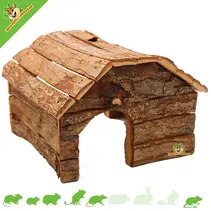
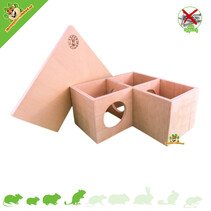
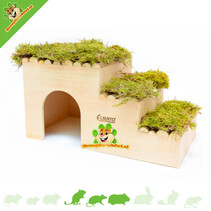
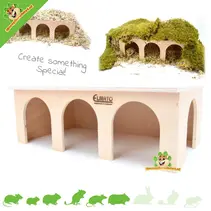
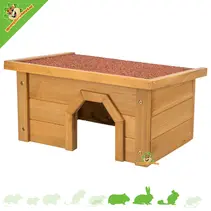
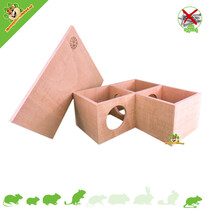
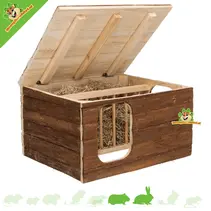
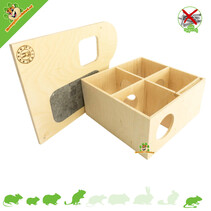
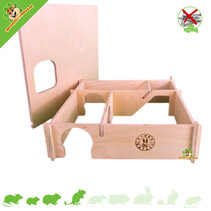


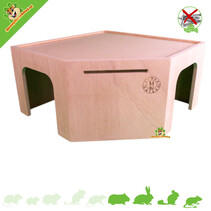
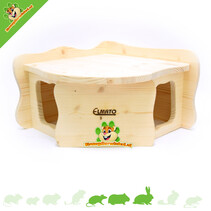
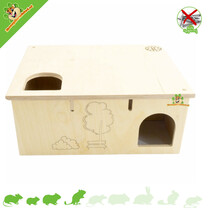
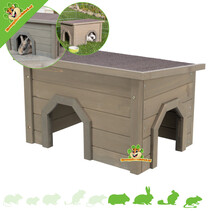
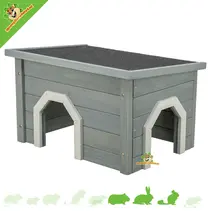
Wooden Houses for Rodents & Rabbits – Natural, Practical and Safely Chosen
 A wooden house is the go-to place for many rodents and rabbits to sleep, hide, and relax. In this category, you'll find wooden houses selected based on their finish, usability, and clear dimensions. Each product shows which animal species it's suitable for – so you don't have to guess. DRD Rodent Shop® has been a specialist since 2011: we help you choose based on both well-being and practical practicality.
Quickly to
1) Choose size & openings
✔ Enough interior space for comfortable turning
✔ Entrances suitable for your animal species
✔ Convenient: removable roof or open bottom
2) Practical in maintenance
✔ Spot cleaning is faster with an open bottom
✔ Drying is more important than “wet clean”
✔ For odors: choose suitable cleaning
3) Create routes & zones
✔ Combine houses with tunnels and platforms
✔ Place shelters along walking routes
✔ Add enrichment: foraging & gnawing
Why a wooden house?
Wood is compatible with natural behavior: hiding, resting, exploring, and (in many species) gnawing. A good house provides a sense of security in the enclosure and helps create distinct zones: sleeping, eating, playing, and toileting. Many models have a flat roof that also serves as a lookout point – ideal for animals that like to keep an overview.
Looking for a cool or extra hygienic hiding place? Then also check out our ceramic houses or plastic houses . You'll find all our houses in the main category "Houses ."
How to choose the right wooden house
1) Interior space: turning without clamping
A house should be spacious enough for your pet to turn around and lie down. Pay attention not only to the external dimensions, but also to the interior space and height.
2) Entrances: suitable and cleverly placed
Many animals appreciate a second exit: it provides peace and prevents them from getting stuck in a corner. This is often especially helpful for social animals (such as gerbils, guinea pigs, and rats).
3) Open bottom or closed bottom?
An open floor is practical in many enclosures: spot cleaning is easier, and your pet can integrate the house neatly into the bedding. A solid floor can be helpful if you place the house on a platform or use it in a cage without deep bedding.
4) Finish: smooth, firm and without sharp edges
Check for splinters, sharp edges, and wear and tear (especially with avid rodents). A removable roof is convenient for inspection and cleaning.
Advice per animal species
- Hamsters and dwarf hamsters: often a good idea: a multi-chambered house with an open floor, so your hamster can build the house into the substrate. Also see Hamster houses and the Hamster furnishing selection guide .
- Mouse: Choose several hiding places throughout the enclosure (mice like to sleep together). See Mouse Houses .
- Gerbils: Gerbils love to build "burrows": one larger house plus additional hiding places often works best. Combine this with a deep digging layer and tunnels. View Gerbil houses and the Gerbil habitat selection guide .
- Rats: Rats are clever climbers: sturdy houses with easy access (and preferably multiple sleeping areas) are ideal. See Rat houses .
- Guinea pig: Choose a spacious and stable enclosure, preferably with two exits. See Guinea pig houses .
- Rabbit: Choose a generous size and sturdy construction. A house is often part of a larger structure (with tunnels, hay, and gnawing material). See Rabbit houses .
- Chinchillas & degu: Choose sturdy and manageable cages; these animals enjoy jumping, climbing, and gnawing. See Chinchilla houses and Degu houses .
Cleaning & maintenance of wooden houses
Wood is natural, making it a "living" material. Spot-clean regularly (wet spots and corners where pee has occurred) and always let the house dry thoroughly. Avoid submerging wooden houses in water for extended periods, as this can damage the material and joints.
For practical cleaning products and odor control, you'll find suitable cleaning products for accommodations and accessories in our Hygienic Clean category.
Check weekly for wear and tear: sharp edges, splinters, or instability. A wooden house can be "worked" on by your pet (this is normal gnawing behavior), but replace it as soon as it is no longer sturdy or safe.
Complete your interior
A good house is even better when you create logical routes and zones around it. Combine wooden houses with, for example:
- Pipes & Tunnels (routes and shelters)
- Platforms & Ladders (heights and safe walking routes)
- Ground cover (diggable, comfortable and practical)
- Nesting material (soft nesting feeling for sleepers)
- Gnawing material (distraction and natural gnawing)
- Play & Forage (daily challenge)
- Sandboxes + Sand (sand zone and care)
- Transport boxes (useful for check-ups or at the vet)
- Packages (quickly get started)
Checklist: choosing a wooden house (getting it right quickly)
✔ Does your pet fit comfortably in it (turning and lying down)
✔ Entrance(s) appropriate for the animal species (preferably also a second exit where logical)
✔ Stands stable on the ground (especially for climbers and jumpers)
✔ No sharp edges, splinters or loose parts
✔ Convenient for maintenance: open bottom and/or removable roof
✔ Fits into your design: routes, zones and sufficient hiding places
Safety: what should you pay extra attention to?
✔ Check regularly for wear, splinters and instability
✔ Ensure adequate ventilation (especially in compact houses)
✔ Place the house so that there is no "fall height" from a roof or platform
✔ Replace the house when it is no longer sturdy or safe
Frequently asked questions about wooden houses
Are wooden houses safe for my rodent or rabbit?
If you're looking for a finish, size, and solid construction, wooden houses are an excellent choice. Always be careful: no sharp edges, stable placement, and regular checks for wear and tear.
My pet is chewing on the house. Is that bad?
Gnawing is normal. As long as the nest remains sturdy and you don't get any sharp edges, gnawing is actually a form of activity. Do check the condition of the wood weekly.
How do I clean a wooden house?
Spot cleaning is the most important. Remove wet spots, wipe the surface, and let it dry thoroughly. For suitable cleaning and odor control, contact Hygienic Cleaning .
Which wooden house is the best?
The best home is tailored to your animal species and your décor. A multi-room home often works very well for hamsters, while size and stability are key for guinea pigs and rabbits. For gerbils, the combination of digging depth and hiding places is crucial.
✔ Ordered before 5 PM, shipped the same day
✔ Specialist since 2011
✔ Delivered from our own stock