 Polski

Guinea pig seeds and kernels as a small snack


- Voor 17 uur besteld, dezelfde dag verzonden!
- Rodent specialist since 2011
- Dispatched from our own stock


Guinea pig seeds and kernels – small, energy-rich treats for rewarding and foraging
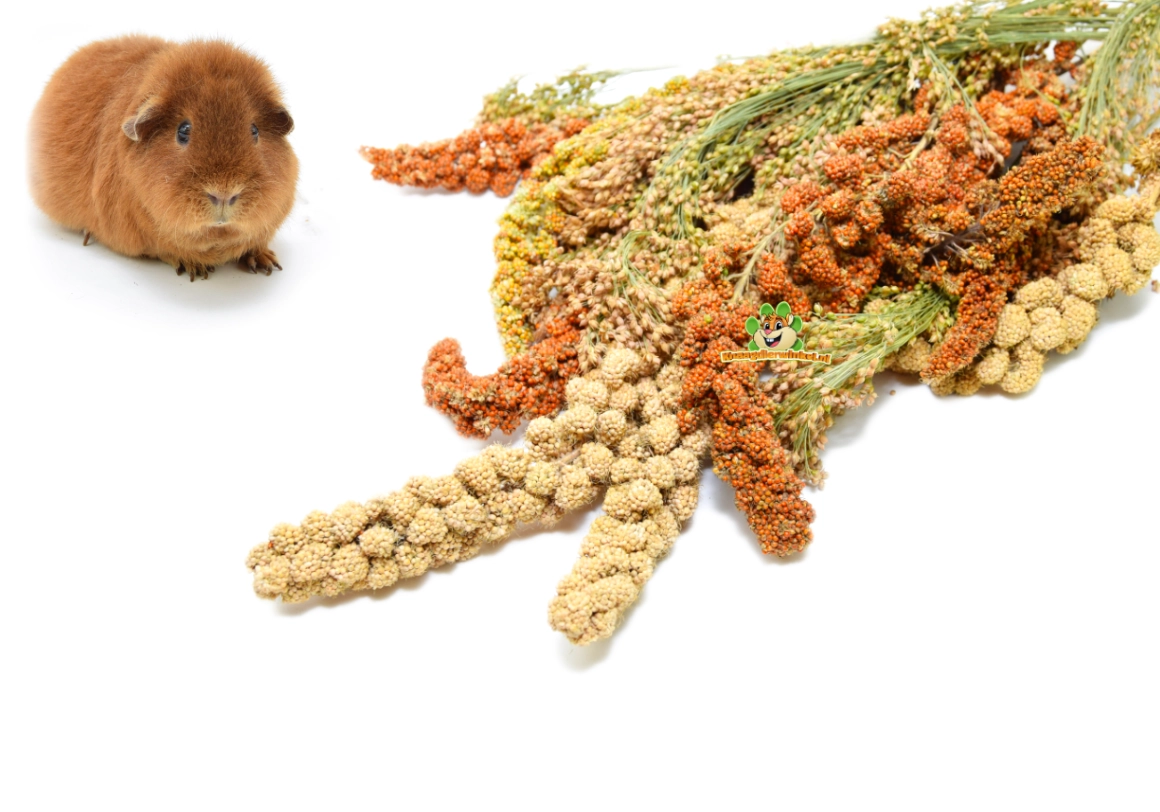 Use seeds and kernels for guinea pigs as small, energy-rich extras. Think of a small reward moment, a few pieces in a snuffle mat, or a small accent in a foraging area. Because seeds and kernels are often richer than herbs, leaves, or dried vegetables, give them consciously and in small quantities.
The daily basics always remain guinea pig hay , suitable guinea pig food , water, and daily attention to vitamin C. Seeds and kernels are therefore not the main food, but small extras that you use specifically for rewarding, foraging, or as occasional variety.
At DRD Knaagdierwinkel®, we look at the role of the product. Do you want something small to reward? Are you looking for a few seeds to hide among hay and herbs? Or do you want to use an energy-rich snack route very sparingly? This way, seeds and kernels remain manageable within the guinea pig routine. Specialist since 2011.
Quick links:
Why seeds and kernels? | Which ones do you choose? | Rewarding | Foraging | How much do you give? | Alternatives | Checklist | FAQ
Seeds and kernels are richer than many herbs or vegetable snacks and are therefore used sparingly.
A small pit or seed can be useful as a reward during a quiet moment of contact.
Hide a few small pieces among hay, herbs, or in a low sniffing spot.
Why seeds and kernels for guinea pigs?
Seeds and kernels play a different role than herbs, leaves, flowers, or vegetable snacks. They are often more compact and energy-rich. As a result, they are particularly suitable as a small accent: a few pieces as a reward, a small amount in a sniffing spot, or an occasional treat.
For guinea pigs, it is important that such extras do not displace the basics. Hay remains the most important daily staple, and guinea pig food provides a consistent supplement. Seeds and kernels are used around this, in small, targeted portions.
Guinea pig snacks → | Dried vegetable snacks → | Guinea pig herbs →
Which seeds and kernels do you choose for your guinea pig?
The right choice depends mainly on size, composition, and the time of use. Small kernels or seeds are handy as a reward or for hiding. Larger kernels are better used in smaller portions, if practical. Always check the product and the feeding recommendations.
✔ Pumpkin seeds: a recognizable, energy-rich snack that you offer in small portions and consciously.
✔ Sunflower seeds: attractive, but richer in character and therefore best as a small treat.
✔ Flaxseed: small seeds that you use very sparingly as an extra, for example as part of a mix.
✔ Seed and kernel mixes: handy for variety, but always use small doses.
If you want to create small snack moments more frequently, herbs, flowers, leaves, pellets, or dried vegetables are often easier to incorporate into a daily routine.
Use seeds and kernels as a reward
A small seed or kernel can be useful during calm moments of contact. Think of taming, getting used to your hand, or a positive conclusion after a check-up. Because seeds and kernels are higher in energy, rewarding with small items works best.
Keep your hand low, move gently, and let your guinea pig approach on its own. A small reward can be enough to make the moment of contact pleasant, without immediately giving a lot of extra food.
Taming a guinea pig → | Guinea pig pellets → | Guinea pig herbal snacks →
Using seeds and kernels for foraging
Seeds and kernels are very suitable for use in small quantities when foraging. Hide a few pieces among hay, dried herbs, leaves, or flowers. This way, your guinea pig has to search and sniff, turning a small snack into an activity right away.
Guinea pigs are ground animals. Therefore, use low, stable, and open areas such as a sniffing mat, treat board, hay corner, or low search area. With multiple guinea pigs, it is better to distribute the items so that each animal can search peacefully.
Guinea pig play & foraging → | Snuffle mats → | Guinea pig snacks active toys →
How many seeds and kernels can a guinea pig have?
You give seeds and kernels in very small, deliberate amounts. They are often richer than herbs, leaves, or dried vegetables. As a result, a mini-portion is usually enough as a reward or extra foraging.
Always look at the total menu for that day. Has your guinea pig already had fruit, biscuits, sticks, or other rich snacks? Then it is better to choose hay, herbs, or a light vegetable snack. This keeps the snack routine clear and prevents the foundation from becoming unbalanced.
✔ Use seeds and kernels as a small snack, not as a main food.
✔ It is better to give a few small pieces than a full portion.
✔ Use them especially for rewarding, taming, or foraging.
✔ Alternate with lighter snack routes such as herbs, leaves, flowers, or dried vegetables.
Lighter alternatives to seeds and kernels
Seeds and kernels are great for small, energy-rich snack moments, but for more frequent use, other snacking options are often more practical. Think of dried herbs, leaves, flowers, guinea pig pellets, or dried vegetables. These are easy to scatter, mix with hay, and use in a sniffing area.
This way, you can save seeds and kernels for moments when you really want to give a small, appealing reward, while the daily variety consists mainly of lighter plant-based extras.
Dried guinea pig herbs → | Dried guinea pig leaves → | Dried guinea pig flowers → | Dried vegetable snacks →
Smartly combining seeds and kernels
Seeds and kernels combine well with hay, herbs, leaves, and foraging products. For example, use hay as a base, add a little dried herbs, and hide a few small kernels in between. This keeps the quantity small, making searching more important than eating them quickly.
Do you want a varied snack routine? Then alternate seeds and kernels with dried vegetables, herbal snacks, grain-free snacks, or small pellets. This way, each snack route gets its own function within the care routine.
Guinea pig hay → | Guinea pig herbs → | Grain-free guinea pig snacks → | Guinea pig snacks →
DRD chooses: seeds and kernels as a small, energy-rich extra
At DRD, we view seeds and kernels primarily as small, energy-rich extras. They are attractive and convenient for rewarding or foraging, but they should be deliberately kept alongside the daily basic diet.
The power lies in using it small. A few pieces at the right moment can be enough to make contact, sniffing, or searching more enjoyable. This way, the snack route remains clear and hay continues to play the leading role.
Checklist – making good use of seeds and kernels
✔ Use seeds and kernels as a snack, not as a main food.
✔ Give small amounts, because seeds and kernels are higher in energy than many other snack options.
✔ Use them mainly for rewarding, taming, or a short foraging session.
✔ Hide small pieces among hay, herbs, or leaves to encourage sniffing.
✔ Alternate with lighter extras such as herbs, flowers, leaves, pellets, or dried vegetables.
✔ Store seeds and kernels in a dry, cool, and tightly sealed place.
Good to know
Seeds and kernels do not replace hay, guinea pig food, fresh vegetables, or daily vitamin C. Introduce new types of snacks gradually and observe your guinea pig's reaction closely. Is your guinea pig suddenly eating less, not at all, or clearly differently than normal? Then contact a veterinarian.
FAQ – frequently asked questions about seeds and kernels for guinea pigs
Can guinea pigs eat seeds and kernels?
Suitable seeds and kernels can be given as a small snack or reward. Choose products intended for guinea pigs and give them deliberately alongside hay and guinea pig food.
Are seeds and kernels the staple food for guinea pigs?
No, seeds and kernels are extra. The basis remains hay, suitable guinea pig food, water, and daily attention to vitamin C.
How many seeds or kernels can a guinea pig have?
Give seeds and kernels in small portions and deliberately. They are often more energy-rich than herbs or vegetable snacks, so a few small pieces are often enough.
Can you use seeds and kernels for taming?
Yes, a very small piece can help with taming or calm moments of contact. Let your guinea pig approach on its own and use it as a mini-reward.
Can you use seeds and kernels in a snuffle mat?
Yes, small quantities are suitable for a sniffing mat, hay corner, or low foraging area. Distribute them well and remove any leftovers if they become damp or soiled.
What is better: seeds, kernels, or dried vegetables?
That depends on the moment. Dried vegetables are often better suited for small plant-based snack moments. Seeds and kernels are richer and are mainly used as a small, energy-rich treat.
Are pumpkin seeds suitable for guinea pigs?
Suitable pumpkin seeds can be used as a small snack when the product is intended for guinea pigs. Give them in small quantities and not as a daily staple.
Why should you give seeds and kernels in limited quantities?
Seeds and kernels are often more compact and energy-rich than herbs, leaves, or flowers. By giving them in moderation, hay remains the most important basis of the diet.
How do you store seeds and kernels for guinea pigs?
Store seeds and kernels in a dry, cool, and tightly sealed place. This way, their aroma, flavor, and quality are better preserved.
✔ Seeds and kernels for guinea pigs as a small snack, reward, or foraging extra
✔ Energy-rich supplement alongside hay, guinea pig food, herbs, and vegetables
✔ Specialist since 2011, delivered from our own stock
Ordered before 17:00, shipped the same day | Delivered from our own stock | Specialist since 2011
