 Polski

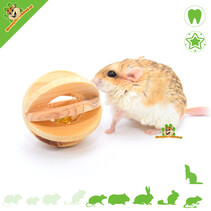
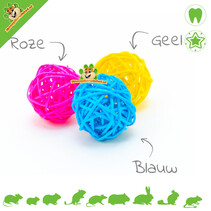
Play Balls for Rodents and Rabbits
- Voor 17 uur besteld, dezelfde dag verzonden!
- Rodent specialist since 2011
- Dispatched from our own stock
- Voor 17 uur besteld, dezelfde dag verzonden!
- Rodent specialist since 2011
- Dispatched from our own stock

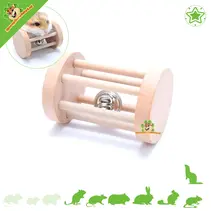
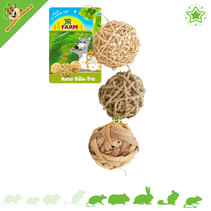
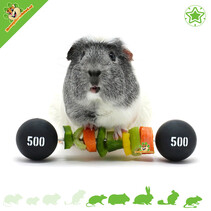
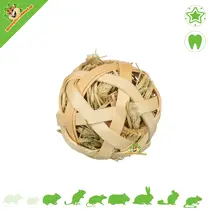
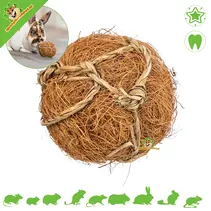
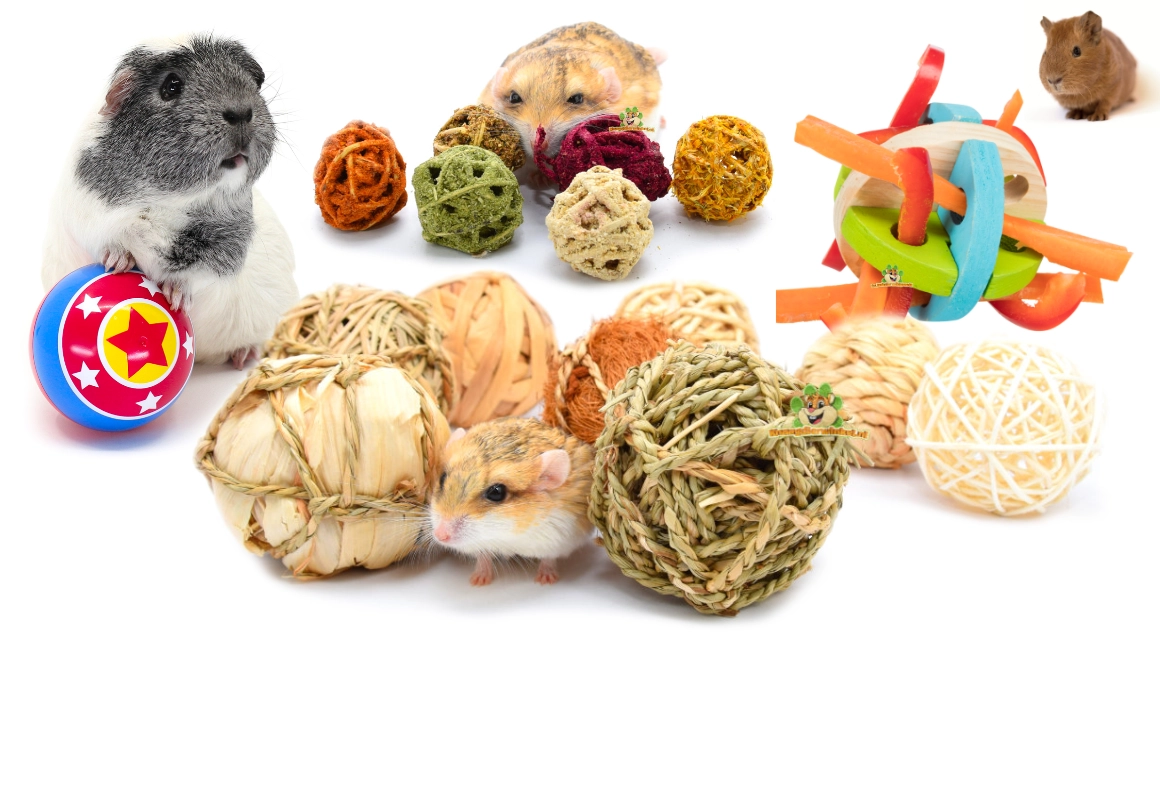
Play Balls & Rolls for Rodents and Rabbits
Play balls and rollers are simple yet surprisingly effective: your pet can push, roll, pull, nibble, and explore. Some varieties even allow you to "hide" a small portion of their daily food, turning eating into a game of discovery. This category includes willow balls, grass balls, and foraging/snack balls – suitable for different animal species and play styles. DRD Rodent Shop® has been a specialist since 2011.
Push, roll and “chase”.
Using a small amount of food as a challenge.
Easy to rotate and combine.
Types of play balls & reels
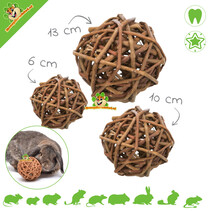
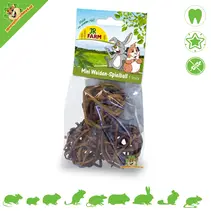
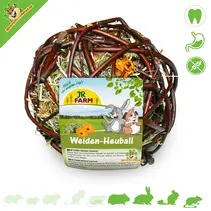
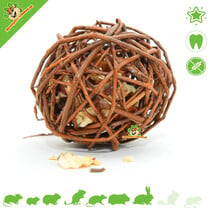
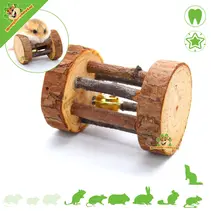
- Willow balls: a classic for rolling and nibbling; also fun to "throw" at rabbits.
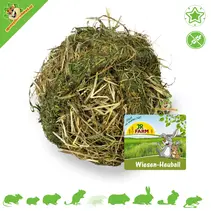
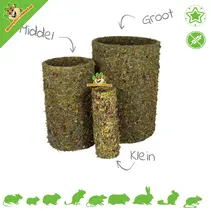
- Grass balls: light and fibrous material; often loved by rabbits and guinea pigs.
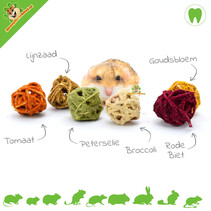
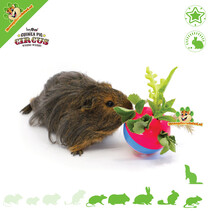
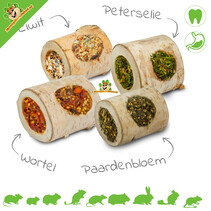
- Herb/filling balls: extra interesting because of the scent and texture (great for variety).
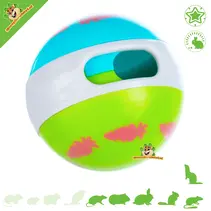
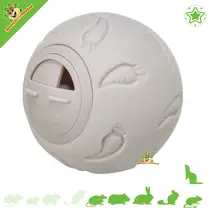
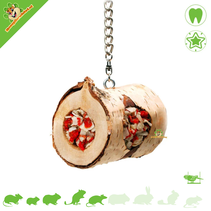
- Foraging and snack balls: balls/rollers from which something can fall or be worked out.
- Soft balls: for animals that like to carry or “collect” (pay particular attention to your animal’s behavior).
Which ball suits your animal?
Choose based primarily on size, weight, and playing style. A good ball is large enough to be interesting, but not so heavy that your pet can't use it.
- Rabbits: Pushing/rolling and playing soccer with a ball often works well; willow and grass are popular.
- Guinea pigs: gently push and nibble; choose a stable and accessible toy instead.
- Rats and mice: clever explorers; foraging balls and rollers with small rewards often work well.
- Chinchillas and degus: sturdy rodents; choose robust materials and check for wear and tear regularly.
- Hamsters & gerbils: especially fun as extra enrichment; choose a small and light one, and place it on a stable surface.
Combine with training & foraging or demolition toys for a nice mix in the enclosure.
Foraging with balls: small trick, big effect
Foraging balls and rollers are ideal for slowing down the eating process. Instead of everything in one bowl, your pet has to work: pushing, rolling, and searching. Tip: use a small portion of the daily food rather than a lot of extras.
Checklist: How to quickly choose the right ball
- Goal: Roll/push, nibble, or forage for a small reward?
- Size: fits your animal (not too heavy, not too small).
- Material: match with gnawing strength and preference (willow/grass/robust).
- Surface: Works best on a flat area in the enclosure.
- Rotation: vary it; that way it stays interesting.
Maintenance
- Check weekly for wear, splinters, loose parts or fraying.
- Keep it dry : remove/replace wet or sticky material.
- Cleaning: For plastic/metal balls, follow the product information; for natural balls, you usually replace them when they are worn out.
Usage & safety
- Place it low and stable: especially for smaller animals, a flat playing piece works best.
- Fill in moderation: with foraging balls, “a little” is often enough of a challenge.
- Pay attention to wear and tear: remove loose debris and replace if a ball loses shape.
- Multiple animals: for groups, it is best to provide multiple balls/rolls to avoid hassle.
FAQ Play Balls & Reels
My pet is ignoring the ball. What now?
Start with a simple ball without any filling and place it in a spot your pet frequently walks. With foraging balls, it helps to start with just a few treats so success follows quickly.
Are snack balls just for treats?
No, you can also use part of the daily feed. This makes eating more interesting without having to give extra.
What is a good starting combination?
1 ball/roll (push/roll) + 1 foraging item + optionally 1 demolition item for variety.
