Polski

The best bedding for dwarf rats!


- Voor 17 uur besteld, dezelfde dag verzonden!
- Specialist sinds 2011
- Delivery from our own stock


- Voor 17 uur besteld, dezelfde dag verzonden!
- Specialist sinds 2011
- Delivery from our own stock

Bedding for Dwarf Rats: dust-free, comfortable and practical
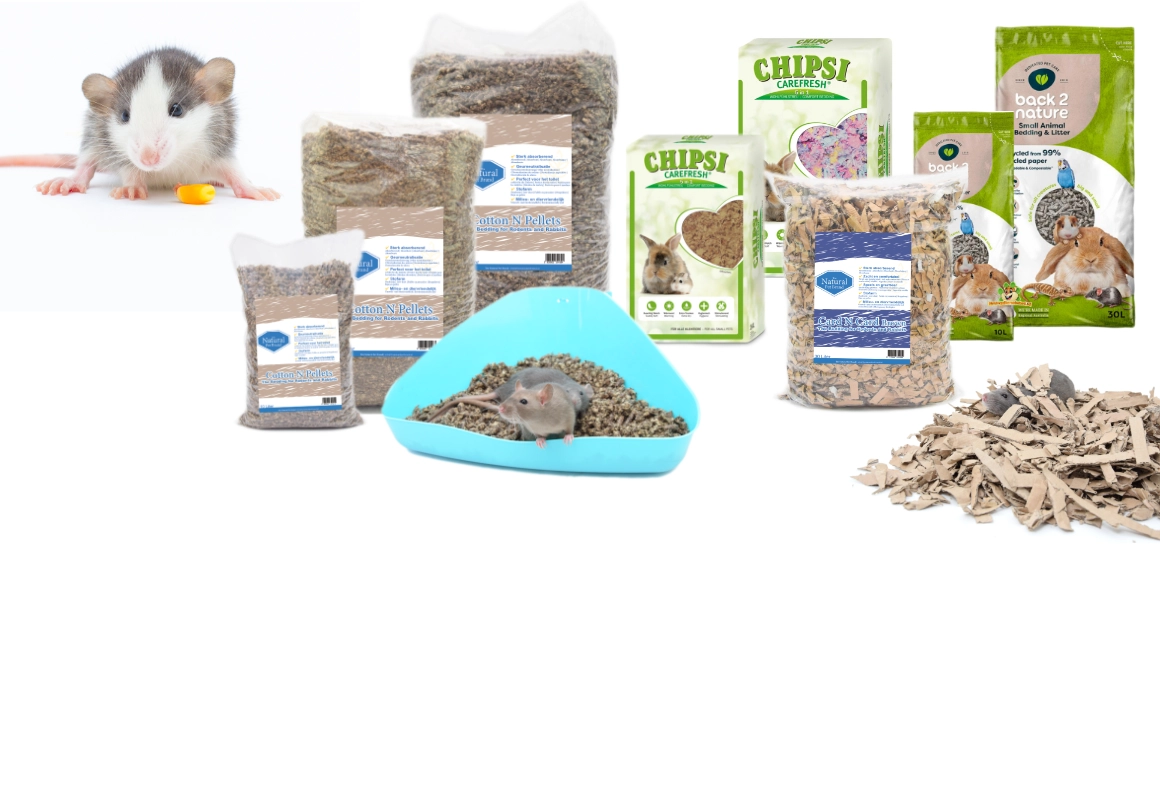 Pygmy rats are active rodents that love to forage, build nests, and decorate their enclosures. The right bedding helps with this and makes your maintenance much easier. Because dwarf rats can be sensitive to dust, we recommend low-dust options that feel pleasant to the touch and are highly absorbent.
In this category you will find bedding that we consider suitable for dwarf rats – carefully selected by the specialist since 2011.
Selection guide: which substrate is suitable for dwarf rats?
The best substrate depends primarily on your goals: do you want maximum cleaning convenience, extra comfort, or a mix that allows you to create zones? Below, you'll find the most popular substrates for dwarf rats.
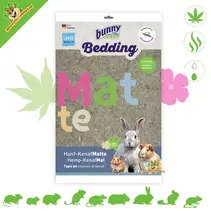
Soft, comfortable to walk on, and often very easy to maintain. Ideal if you want a fresh base with minimal dust.
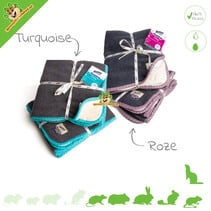
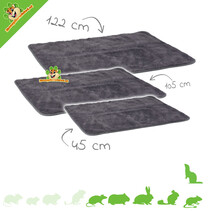
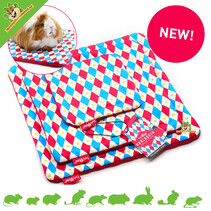
Want extra soft nesting areas? Then a comfortable addition is ideal for creating sleeping and hiding places.
Pygmy rats thrive in a structured habitat: routes, hiding places, and foraging opportunities. Good ground cover is the foundation.
Mixing & nesting zones: how to make the habitat "logical"
Dwarf rats like to choose their own places: a place to sleep, a place to eat, and a place to be active. You can easily support this with bedding:
- Base zone: An even layer of low-dust bedding for comfort and absorption.
- Nesting zone: add extra soft nesting material in/next to houses and sleeping places.
- Action zone: combine with ratscaping (tunnels, hiding places, foraging areas) to reduce the chance of boredom.
Want to complete your dwarf rat setup? Combine bedding with a suitable enclosure and also consider dwarf rat food for a logical foundation.
How much ground cover do you need?
Easily calculate how many liters you need approximately with this formula:
(L × W × layer thickness in cm) ÷ 1000 = liters
Example: Cage 100 × 50 cm with 10 cm of bedding:
(100 × 50 × 10) ÷ 1000 = 50 liters
| Cage (L × W) | 10 cm low | 15 cm low | 20 cm low | 30 cm low |
|---|---|---|---|---|
| 80 × 40 | 32 L | 48 L | 64 L | 96 L |
| 100 × 40 | 40 L | 60 L | 80 L | 120 L |
| 100 × 50 | 50 L | 75 L | 100 L | 150 L |
Want to compare or combine different types? Then also check out Ground Covering & Nesting Material .
Checklist: Ground cover for dwarf rats
Hygiene & maintenance (practical and feasible)
- Spot cleaning: remove the "toilet spots" daily/every other day and refill where necessary.
- Partial replacement: replace in parts rather than everything at once (the enclosure remains recognizable).
- Ventilation: A well-ventilated cage helps to keep the cage comfortable.
- Zones help: with a nesting corner (soft) and a base layer (absorbent) everything remains clear.
Good to know
Avoid bedding that visibly releases a lot of dust or is strongly scented. Instead, choose dust-reducing materials and combine them with plenty of hiding places, such as houses , so your dwarf rats feel safe.
FAQ – Bedding for Dwarf Rats
What kind of substrate is most commonly chosen for dwarf rats?
Paper and cardboard flooring is popular because it's often comfortable and easy to maintain. In this category, you'll find options to compare.
Can I combine ground cover?
Yes. Many customers use a base layer (absorbent) and create an additional nesting zone with soft material in or near the house.
How often should I change bedding?
That depends on your cage, group, and type of bedding. Spot cleaning in between is very helpful; a complete clean is usually done periodically and preferably in phases.
What do I combine ground cover with for a complete setup?
Start with a suitable enclosure , add houses , and finish it off with ratscaping and a good base of dwarf rat food .
✔ Low-dust choices for dwarf rats
✔ Practical to maintain, pleasant to use
✔ Specialist since 2011