Polski


Basic Rat Furnishings: How to Set Up a Safe, Fresh Rat Cage
Basic Rat Furnishings – The Practical Starter Guide to a Safe Rat Cage
Just starting out with pet rats? A good basic setup can make the difference between a lot of fuss and a cage that's calm, fresh, and logical. This page is an information and selection guide (not a product overview): you'll learn how to cleverly build a rat cage with low-dust bedding, clearly defined toilet areas, multiple sleeping areas, and plenty of routes and enrichment. At the bottom, you can easily add products that suit your setup.
Choose a substrate that is comfortable for the airways and use a separate toilet area for less odor and faster cleaning.
Rats like to sleep together, but they also want to spread out. Multiple hiding places and places to hang out create a sense of calm within the group.
Create safe climbing routes and add daily foraging activities. This provides enrichment and prevents boredom/demolition.
Basic Rat Setup Checklist (1 minute)
If this is correct, you're almost always right:
✔ Always keep rats in groups of at least 2 (group animals)
✔ Dust-free ground cover + dry base surface
✔ 1–3 toilet zones (especially on multiple floors)
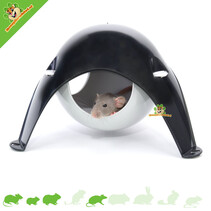
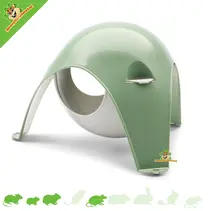
✔ Multiple sleeping places (hammocks/hanging houses/houses)
✔ Platforms/ladders/tunnels for routes (stable)
✔ Always fresh water + at least 1 stable feeding place
✔ Daily: spot clean; weekly: partial change; periodic: thorough cleaning
1) Ground cover: dust-free, absorbent and practical
Rats use their cages intensively, and many rat owners find that dust in the cage quickly becomes a factor (respiratory, odor perception, cleaning). Therefore, a strong base setup starts with a dust-reducing and absorbent bedding. Keep things organized: a comfortable base and a clearly defined toilet area.
- Base layer : comfortable layer that stays dry and is easy to keep track of.
- Toilet zone : separate filling/granules often work best (difference = faster learning).
- Search/play area (optional): Scatter some food or a few treats in a “search corner” to encourage natural foraging.
Directly to the correct categories: Rats Ground Covering · Rats Digging Bucket · Ratscaping (natural landscaping)
2) Toilet areas: less odor, faster cleaning, more frequent toilet training
Rats mark; that's normal. You'll gain a lot by arranging the cage so that "peeing and pooping" happens as often as possible in the logical place . The basic principle is simple: place a toilet where your rats already do it and make that spot more attractive than the rest.
Practical start (works with most groups)
- Observe for 48 hours : which corner/spot do they choose?
- Place the toilet there (for multiple levels: consider an additional toilet on top).
- Place any droppings that lie next to it in the toilet for the first few days (smell signal).
- Work with “difference” : a different filling in the toilet than on the bottom often helps.
- Make it easy : close to sleeping places = more frequent use.
Direct to: Rat Toilets · Pee Mats
3) Sleeping places: comfort, rest and "spreading out" in a group
Rats like to lie together, but not always. Therefore, the rule of thumb is: more sleeping places than rats . Combine soft hanging spots (hammocks) with a few sturdy, easy-to-clean hiding places.
- Hanging places : ideal for resting high up in the cage (check for fraying and washability).
- Houses and shelters : provide safety and “one’s own place”.
- Nesting/sleeping material : stimulates natural behaviour (making nests, moving them, ‘setting up’).
Direct to: Rat Hammocks · Rat Houses · Nesting material, cushions & baskets
4) Routes, climbing & enrichment: how to prevent boredom
A rat cage feels "good" when rats can climb, explore, choose, and search . Therefore, build safe routes with platforms/ladders and make daily life fun with foraging and gnawing/demolition opportunities.
Make several "stopovers" (preferably three short routes rather than one steep one). This ensures safety and peace within the group.
Tunnels provide shelter and "build routes." Tip: create multiple passages to prevent crowding.
Sprinkle some of the food, use snack balls or sniffing items: searching takes time and energy.
Directly to: Platforms & Ladders · Tunnels & Tubes · Play & Forage · Rodent Material
5) Food & water: stable, hygienic and “quiet in the group”
The basics are: always fresh water and feeding areas that don't cause fighting. In groups, "more than one" often works best: multiple bowls or feeding areas provide peace and quiet, especially with busy eaters.
- Water : choose a drinking bottle (less pollution) or a heavy water bowl (natural drinking) and check daily.
- Feeding area : stable bowls or multiple areas to prevent hassle.
- Feeding = enrichment : sprinkle some of the food or use foraging toys (without “over-snacking”).
Direct to: Drinking bottles & water bowls · Food bowls · Rat food · Rat pellets · Herbs & seeds · Rat snacks · Dried vegetables/fruit
Maintenance & hygiene: keeping the cage fresh (without stress)
- Daily (2 minutes) : clean wet corners, refill toilet, change water, check leftovers.
- Weekly : replace part of the bedding (not all at once) and wash or change hanging areas/fabric items.
- Periodically : thoroughly clean the cage, trays and accessories (rinse well and allow to dry completely).
- Smell spot? Focus on the real sources: restrooms, under hangouts, favorite routes. Washable mats and targeted cleaning are most effective there.
Extra handy for routine and cleaning: Rat care & cleaning · Cage accessories
Safety warnings (mild & practical)
- Fabric & odor products : Preferably choose low-dust products and use scented products sparingly. Always rinse thoroughly and let everything dry completely.
- Drop heights : build routes with stops and place platforms securely. Better to be wide and stable than high and challenging.
- Fabric : Check hammocks/tunnels for fraying and loose threads; replace if in doubt.
- Group rest : provide multiple feeding stations, tunnels, and sleeping areas to reduce jostling and fighting.
- Health : Do you suddenly notice lethargy, shortness of breath, not eating, or rapid weight loss? Contact a veterinarian with experience with rodents.
Useful shopping links for this basic furnishing
✓ Accommodation & furnishings
✓ Hygiene & basic
✓ Sleeping, eating & enrichment
FAQ – Basic Rat Setup
Do I really need to get two rats?
Yes, rats are social animals. In practice, you see that rats in a suitable group exhibit much more natural behavior and are often more stable in their rhythms.
What is the biggest “scent gain” in the cage?
A smart toilet zone + daily spot cleaning. Combine this with low-dust floor coverings and (washable) mats in areas where they tend to mark a lot.
Why do you recommend multiple sleeping places?
Because rats want to be able to choose. In groups, spreading them out creates peace (less jostling) and is practical during cleaning/laundry rounds.
Do rats need a running wheel?
Not necessarily. Many rats find their challenge primarily in climbing, foraging, and interacting. A running wheel can be a nice addition, provided it's safe and large enough.
Can I place products at the bottom of this page?
Yes, that's exactly the idea: use this information as a "selection aid" and add the products that match your basic layout at the bottom.
Tip: Want personalized advice? DRD Rodent Shop® has been a specialist since 2011 and is happy to help you find a setup that works for your group.
Why this basic setup via DRD Rodent Shop®?
✔ Specialist since 2011
✔ Practical decision-making aid (focused on well-being and a feasible routine)
✔ Smartly selected range for rats (furnishings, hygiene, enrichment)
Ordered before 5 PM = shipped the same day (if in stock)
General pet information can also be found at the LICG: licg.nl