Polski

Basic guinea pig setup – complete starter kit with enclosure, hay corner, hiding places & shopping list
Basic guinea pig furnishing – how to create a safe, spacious and practical guinea pig villa
Guinea pigs are social prey animals: they feel most comfortable with their own kind and with a good overview, hiding places, and established routines. On this inspiration page, we'll show you a proven foundation to get you off to a good start: a spacious enclosure, a logical layout (with a hay corner and toilet area), comfortable bedding, and enrichment appropriate for guinea pig behavior.
DRD Rodent Shop® has been a specialist since 2011. That's why we like to make it easy for you: below you'll find a shopping list of the products used, so you don't have to search through hundreds of options.
A spacious enclosure with low, stable furnishings suits guinea pigs: running, “popcorn” and relaxing together.
Guinea pigs eat a lot of hay. Combine hay, a manger, and a litter box to keep their enclosure clean more easily.
Multiple hiding places (preferably with 2 openings) prevent stress and help group animals live together.
1) The accommodation: the basics
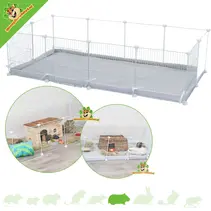
For guinea pigs, the rule is: long and spacious are better than tall. A C&C-style run/cage is ideal because you can customize it to your space and group. A practical starting point is a run of about 140 cm, as this creates a good base area and allows for easy expansion later. View the Guinea Pig Runs & Habitat category here.
For inspiration, you can also look at this example: Wire Cube Cage Peter 140 cm . Tip: Guinea pigs don't climb much; keep panels and furnishings low and stable .
Below you see a nice example of a well-designed guinea pig enclosure.
2) Smart zoning
A good guinea pig enclosure consists of three clear zones:
- Hay & toilet area (one fixed corner): hay, manger and a spacious toilet box.
- Rest zone : several houses/tunnels where guinea pigs can lie together.
- Action zone : free running space + foraging and demolition material to prevent boredom.
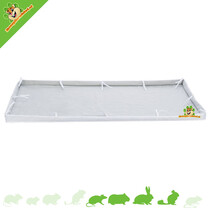
3) Ground cover & pee mats
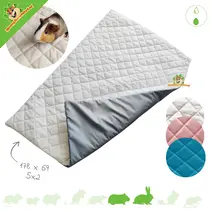
Guinea pigs need a comfortable and easy-to-maintain surface. Many owners choose floor mats/pee mats (fleece systems), possibly with an additional "pee pad" in the litter box. See: Guinea Pig Floor Mats & Pee Mats .
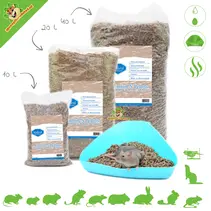
Prefer loose bedding? Then choose a variety that's absorbent and comfortable to walk on: Guinea pig bedding . For long-haired guinea pigs, a fur-friendly option might be nice: bedding for long-haired guinea pigs .
4) Hay area: hay, manger and toilet
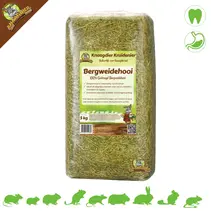
Hay should always be available. Choose a sturdy hay rack to keep the hay clean: Guinea pig hay and hay & hay racks . Place a large litter box underneath: toilets .
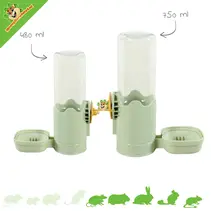
Water is provided via a drinking bottle or water bowl (or both): drinking bottles & water bowls . For daily feeding (besides hay), you can find an overview here: Guinea pig food & nutrition .
5) Shelter & enrichment
Provide multiple hiding places (preferably with two openings) and combine houses with tunnels: guinea pig houses and tubes & tunnels . For extra comfort, choose cushions and baskets .
Foraging is a great activity: guinea pig play & foraging . Also add gnawing material: gnawing material .
Basic guinea pig setup checklist
- Spacious enclosure/run with safe, low furnishings
- Ground cover or pee pads /fleece
- Hay + rack + toilet box (one fixed corner)
- Drinking facility (bottle/bowl) + feeding area
- At least 2–3 hiding places (preferably with 2 entrances)
- Tunnels + foraging enrichment + gnawing material
6) Maintenance & cleaning
- Daily: refresh wet areas/toilet area, change water, refill hay.
- Every few days: check hiding places and spot clean.
- Periodically: replace the entire bedding or wash the fleece system (follow the washing and maintenance instructions for each product).
7) Safety & common mistakes
- Insufficient hiding places: provide escape routes and multiple entrances.
- Too high/unstable: Guinea pigs are not climbers; avoid high platforms and steep slopes.
- No fixed hay area: create one area with a manger and toilet; that saves a lot of cleaning work.
- Awkward floor: avoid slippery, bare floors; choose comfortable and practical ones.
FAQ – Basic guinea pig setup
How big should a guinea pig enclosure be?
Choose as spacious a space as possible, preferring extra floor space over height. Start with a practical base and expand as your group grows.
Urine mats/fleece or loose bedding?
Both are possible. Fleece is comfortable and washable; loose bedding is quick to change. Choose what suits your routine.
Why a toilet under the hay rack?
Because guinea pigs like to poop while eating, a single, fixed hay corner keeps the rest of the cage cleaner.
What's the easiest upgrade for more challenge?
Forage products + variety in tunnels/houses. Small changes can provide a lot of new stimuli.
Shop the complete basics (products in this category)
Below you'll find the products that fit this basic setup. Tip: start with the checklist (enclosure + hay area + hiding places) and then expand with enrichment. Want to explore more first? Visit the Guinea Pig Webshop or return to all inspiration pages .
You can also read general information about guinea pigs at the LICG: licg.nl .