Polski

Taming a hamster – building trust slowly (dwarf hamster & golden hamster)
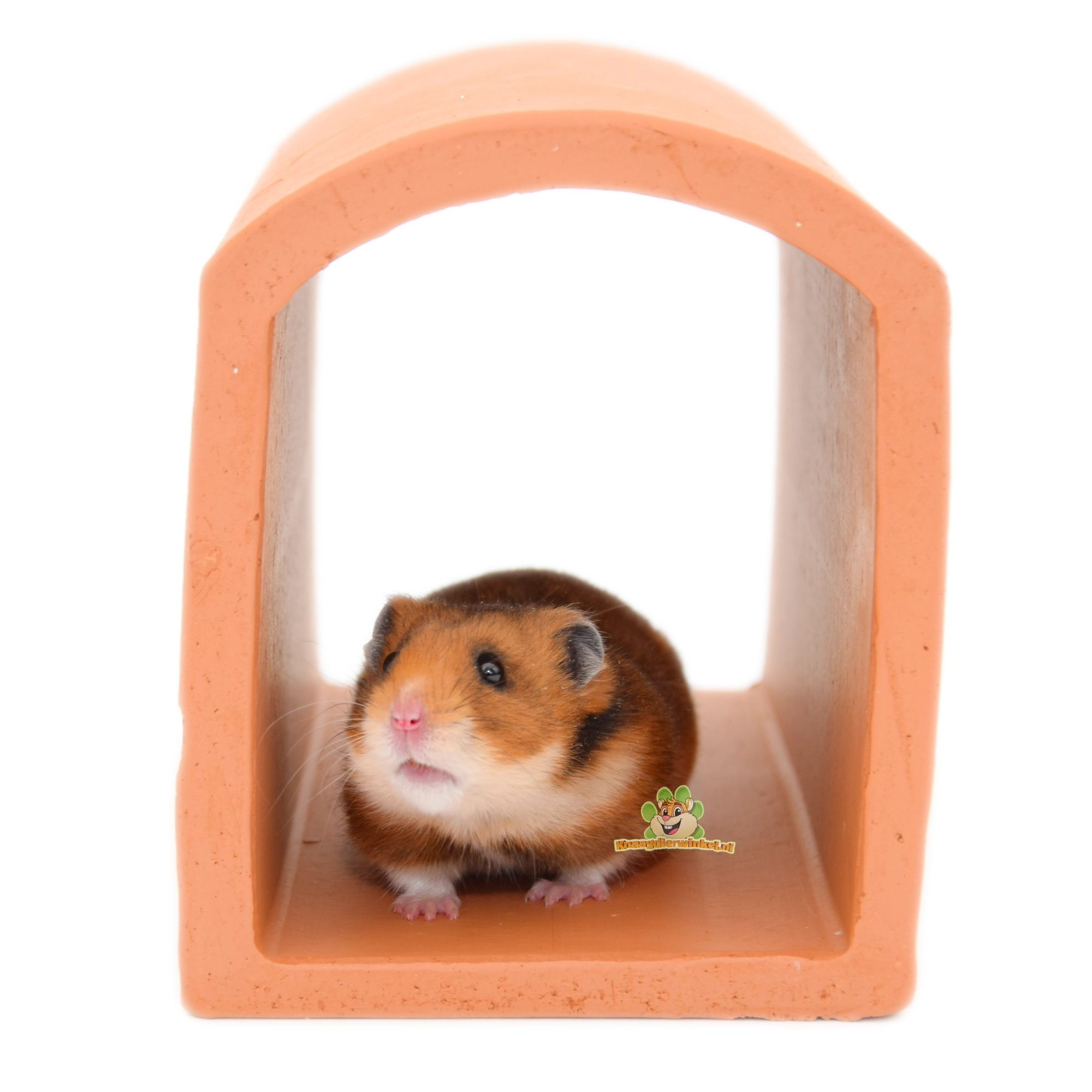 Taming a hamster isn't a "trick," but a rewarding process in which your hamster learns that your presence means safety and enjoyment. Hamsters are curious and cautious: if you go at your pet's pace, trust often develops surprisingly quickly. This page explains step-by-step how to do this: from getting used to your hand to safely handling them, rewarding them without overfeeding, and preventing biting. DRD Rodent Shop® has been a specialist since 2011 and helps you choose a safe, logical approach suitable for both dwarf and Syrian hamsters.
Directly to the Hamster shop: Hamster (all) · Hamster information (overview) · Hamster cages · Hamster food · Hamster snacks
Quick to:
- Quick Basic Check (start today)
- This is how a hamster thinks (and why it helps)
- Preparation: How to make taming easy
- Step-by-step plan: from getting used to being tame
- Safe Pick Up & Handling
- Prevent biting (without tension)
- Exercise and practice sessions outside the cage
- Useful shopping links (hamster)
- FAQ
Quick Basic Check (start today)
- ✓ Train at the right time : when your hamster is awake and active on its own (usually in the evening).
- ✓ Start with rest and routine : fixed times, calm voice, predictable movements.
- ✓ Use small rewards and let your hamster choose to come closer.
- ✓ Work with safe tools (tunnel/tube/feeding glove) instead of “grabbing”.
- ✓ Practice low to the ground (couch/bed/floor) to prevent falls.
- ✓ Ensure the enclosure is appropriate: sufficient hiding places, a digging layer, and enrichment. Inspiration: Hamsterscaping .
✓ Reward without overfeeding
Small pieces, cleverly chosen. For hamsters, "a crumb" is often a big reward.
✓ Variation that is useful
Herbs, seeds and the occasional suitable protein snack: enriches and motivates during training.
✓ Foraging = fun
Let your hamster “search” for food: this makes him more confident, more active and often more curious about you.
This is how a hamster thinks (and why it helps)
Hamsters are prey animals. This means that being easily startled is normal, and "grabbing from above" feels daunting for many hamsters. Knowing this automatically makes you work more calmly: you bring the reward, your hamster sets the pace. A hamster that can choose to come closer usually relaxes much faster than one that often has to.
Dwarf hamster vs. Syrian hamster (practical): Dwarf hamsters are often faster, more energetic, and react more quickly to stimuli. Syrian hamsters are larger and therefore often easier to "read," but they can also clearly set boundaries. In both cases, rest, repetition, and a safe environment always trump speed.
Preparation: How to make taming easy
A hamster becomes tame faster if it feels safe in its enclosure. Therefore, provide a calm base: plenty of hiding places, a good digging surface, and daily enrichment. It's helpful to have the following ready:
- Hiding places & routes: multiple houses and tunnels so your hamster never gets stuck. View: Hamster houses · Hamster tunnels
- Quiet nesting zone: Provide safe nesting material so your hamster can build its own safe haven. See: Hamster nesting material
- Reward food: small snacks or a "top reward" for progress. See: Hamster snacks · Animal proteins
- Foraging toys: ideal for turning excitement into curiosity. See: Play & Foraging
Mini-tip that helps a lot: wash your hands without strong scents (perfume/soap), move slowly, and speak softly. Your hamster will learn to recognize your scent and voice as a "safe signal."
Step-by-step plan: from getting used to being tame
Phase 1 (days 1–3): getting used to your presence
- When your hamster is awake, sit next to the enclosure, talk calmly, and watch without any "action."
- Change food and water slowly and predictably (no quick movements).
- Let your hamster decide: if he runs away, that's okay. You stay calm.
Phase 2 (Days 4–7): Reward at the edge (contact without pressure)
- Place a small piece of treat down when your hamster comes forward. Don't "hand-direct" it yet.
- Repeat this briefly (1–3 minutes), preferably more short sessions rather than one long session.
- Stop while things are going well. That keeps things positive and fun.
Phase 3 (week 2): snack from the hand (you = something fun)
- Keep your hand still in the enclosure with a treat on your flat hand or between two fingers.
- Let your hamster come to you. Don't chase, don't touch it to test it.
- Is he leaving? Then you lower the step: first put it back down next to your hand.
Phase 4 (weeks 2–3): boarding & short journey
- Encourage “stepping up” by placing the snack a little further down your hand.
- Don't lift until your hamster sits relaxed on your hand (no fast sprint, no lying flat).
- Start with a 1–2 second lift, then immediately return. Gradually extend.
Important: Dwarf hamsters are often faster. Feel free to use a tunnel/tube as an intermediate step: your hamster steps into the tunnel, you lift it up, and put it back down. Many hamsters find this safer than an "open hand" at first. You can find tunnels here: Hamster tunnels .
Safe picking up and handling (without frightening moments)
The goal isn't "holding as often as possible," but "handling as safely as possible." Use these safe options, especially in the beginning:
- Stepping onto the hand: flat hand, snack as an invitation, lift slowly.
- Tunnel/tube method: hamster walks in, you move quietly.
- Transport box (useful for cleaning/doctor): set up a box and let your hamster walk into it on its own. See: Hamster transport boxes .
Safety rules that really make a difference:
1) Always keep low over a soft surface (sofa/bed/floor).
2) Support the body: Holding a hamster in a “hanging” position causes restlessness.
3) No quick movements, no chasing in the cage. That just triggers escape.
Prevent biting (without tension)
Biting usually isn't "mean behavior," but communication: fright , uncertainty , going too fast , or confusion with food (the hand smells like a snack). This approach will prevent most biting episodes:
- Open-hand training: treat your hamster with your hand, don't pinch it between your fingers for fast hamsters.
- Hands neutral: no strong odors; wash briefly and dry thoroughly.
- Read the pace: If your hamster freezes, bolts, or acts very tense, take one step back.
- Don't punish: reacting harshly makes your hamster more alert and less confident. Calm pauses work better.
If your hamster does bite: stay still, gently remove your hand, and end the session without drama. Next time, choose a smaller step (e.g., placing the reward down instead of from the hand).
Exercise and practice sessions outside the cage
Taming is often faster if you can provide short, enjoyable training sessions in a safe environment. A hamster run is ideal for this: your hamster can run around, and you can quietly reward and observe. See: Hamster run .
Make it fun (and therefore educational): sprinkle a small amount of food in the run and add foraging toys. This way, your hamster will associate "you + running" with fun. See: Playing & Foraging .
Useful Hamster shopping links (most relevant)
Accommodation & furnishings:
Hamster cages · Cage accessories · Houses · Tunnels · Exercise wheels · Sand & sand bath
Bottom & nest:
Ground cover · Nesting material · Hamsterscaping
Food & rewards:
Hamster food · Herbs & seeds · Snacks · Animal proteins
Practice & practical:
Hamster run · Transport boxes · Play & foraging · Gnawing material
For general background information you can also consult the LICG .
FAQ – Taming a Hamster
How long does it take to tame a hamster?
This varies from hamster to hamster. You'll often see clear progress within 1–3 weeks if you practice briefly, calmly, and consistently. Some hamsters remain more independent; that's okay too.
My hamster sleeps during the day. Should I wake him up?
Preferably not. Train when your hamster is awake on its own (usually in the evening). This prevents stress and makes learning much easier.
What is the best reward?
Choose something small that your hamster really likes. If necessary, start with "regular" food and use treats sparingly. Handy: Hamster snacks .
Why is my hamster nipping at my fingers?
Often due to fear, going too fast, or because your hand smells of food. Work with an open hand, a neutral scent, and smaller steps.
What helps if I have to move my hamster?
Use a tunnel/tube or a transport box and let your hamster walk into it independently. See: Hamster transport boxes .
✓ Calm step-by-step plan that builds trust
✓ Practical tips for safe handling and biting prevention
✓ Specialist selection assistance since 2011