 Polski

Animal Proteins, Insects and Worms for Omnivorous Rodents




- Voor 17 uur besteld, dezelfde dag verzonden!
- Rodent specialist since 2011
- Dispatched from our own stock


- Voor 17 uur besteld, dezelfde dag verzonden!
- Rodent specialist since 2011
- Dispatched from our own stock
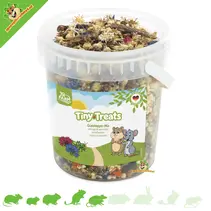
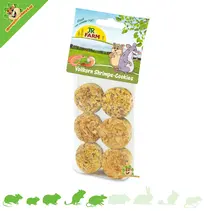
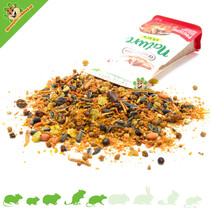
Animal proteins – insects & worms for omnivorous rodents
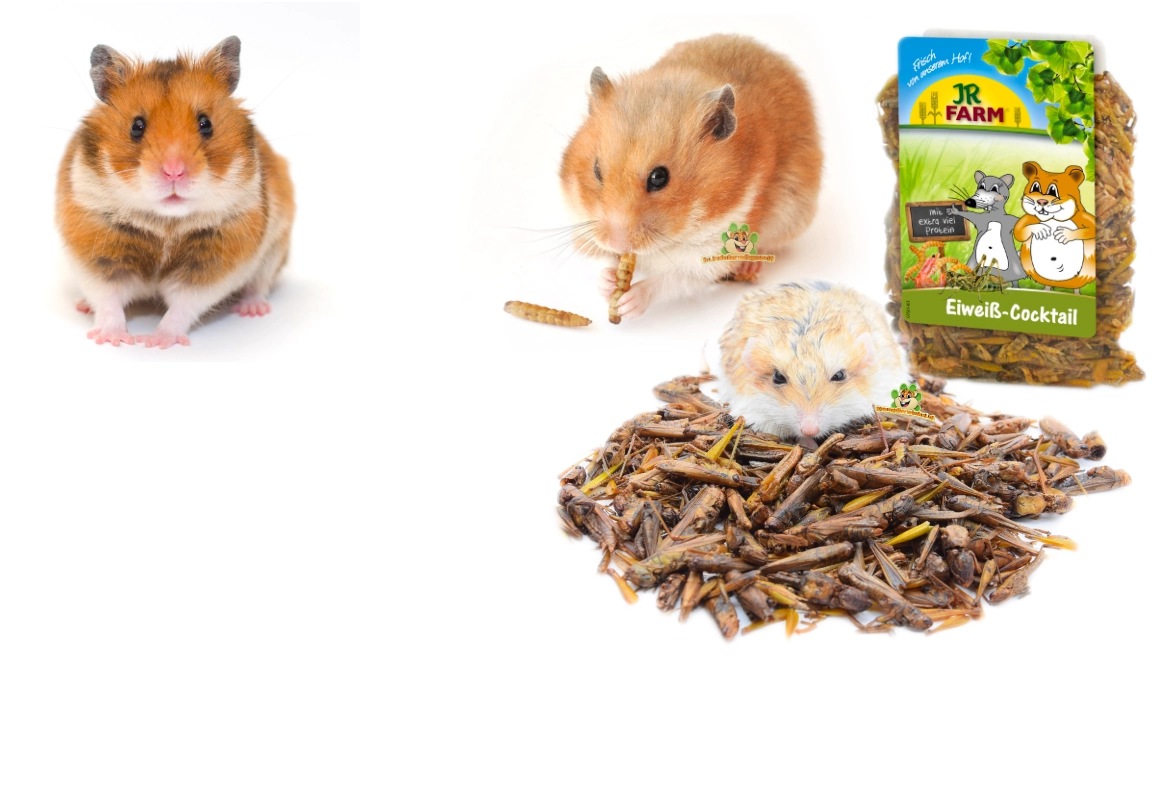 Omnivorous rodents like hamsters, gerbils, mice, and rats are true omnivores. In the wild, they eat not only seeds and plants, but also insects and other small invertebrates. In this category, you'll find a carefully selected assortment of dried insects and worms (such as mealworms, grasshoppers, amphipods, and soldier fly larvae). Perfect as a high-protein supplement, reward, or foraging challenge. Specialist since 2011.
Handy as an addition to the basic food: small portions of animal proteins fit in with the natural eating pattern of omnivores.
Insects are small, fragrant, and worth searching for. Perfect for snack balls, sniffing mats, and scattering food.
A well-thought-out range of dried insects and worms, suitable for snack routines and enrichment.
Why animal proteins for omnivorous rodents?
Hamsters, gerbils, mice, and rats are opportunistic feeders. Besides plant material, they can also eat insects. Animal proteins are therefore a logical supplement, for example, for:
✔ Additional building materials (proteins) in the menu
✔ Energy for active animals (as a snack)
✔ Variety and natural stimuli (smell, structure, "finding")
✔ Enrichment: searching, grabbing, holding, nibbling
Which animals is this for?
- Hamsters (golden hamster & dwarf hamsters): often love mealworms and other insects as a snack.
- Gerbils : fit well into a varied snack routine (small portions).
- Mice : ideal as a reward or in a foraging game.
- Rats : useful for training, searching and as extra variation.
For herbivores (such as rabbits, guinea pigs, chinchillas, and degus), animal protein snacks are generally not the go-to option. Looking for snacks for these animals? Then consider herbal snacks , dried vegetables , or grain-free snacks .
What types of animal proteins can you find here?
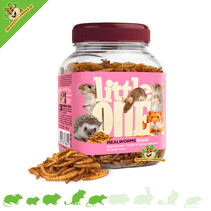
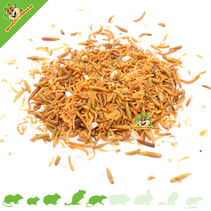
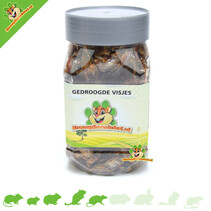
- Dried mealworms – a classic as a high-protein snack.
- Dried grasshoppers – firm texture, fun to nibble on.
- Dried amphipods – small, ideal for scattering and letting people search.
- Dried soldier fly larvae – compact larvae, suitable for variety.
How do you feed animal proteins?
- In moderation – consider this a snack/supplement, not a staple food.
- A few times a week is a practical guideline for many animals (depending on species, age and activity).
- Work with small portions – it’s better to eat small amounts more often than a lot occasionally.
Foraging & enrichment: how to make it fun
- Hide insects in a sniffing mat or under a layer of bedding.
- Use a treat ball or foraging toy for an extra challenge.
- Make a “search mix” with small seeds and vegetable snacks.
Looking for more inspiration? Check out interactive snacks .
Handy combination
For omnivores, this often works well in one snack routine:
- Seeds & kernels – scatter and search.
- Dried vegetables – a “savory” alternative.
- Interactive snacks – challenge and play.
Want to see all snack categories? Go to Snacks .
Save
- Store insects/worms dry and well sealed.
- Use a clean spoon to maintain quality.
- Clean up any leftovers in the enclosure to prevent unwanted contamination.
Checklist: using animal proteins wisely
Just a quick check:
✔ You mainly give this to omnivorous rodents (hamster/gerbil/mouse/rat)
✔ You keep portions small and use it as a snack/supplement
✔ You turn it into a foraging moment (searching = enrichment)
✔ You combine with seeds & kernels and dried vegetables
✔ You keep it dry and clean up leftovers
Safety warnings
- Provide animal proteins as a supplement ; do not offer them in unlimited quantities.
- Introduce new treats gradually. If stool, appetite, or behavior changes, temporarily discontinue extra treats and consult a veterinarian if in doubt.
- Be careful with animals with sensitivities: start with a small piece and see how your animal reacts.
- Preferably use snacks in a forage form to prevent overeating.
FAQ – animal proteins for rodents
How often can I give mealworms or insects?
In practice, many owners give this as a snack a few times a week. Keep portions small and tailor it to your pet's needs and the overall diet.
Are these insects suitable for training/taming?
Yes. Their scent and taste often make them a good reward. Use small pieces to keep things reasonable.
Can I combine insects with seeds?
Absolutely. Make a sniffing mix with seeds and kernels and sprinkle it through bedding or in a sniffing mat.
What is a nice foraging tip?
Hide insects under a thin layer of bedding or in a foraging toy. This immediately turns snacking into an activity.
Why buy animal proteins from DRD Rodent Shop®?
✔ Specialist since 2011
✔ Ordered before 5 PM = shipped the same day
✔ Delivered from our own stock
✔ Smart selection aid per animal species & snack routine
