 Polski

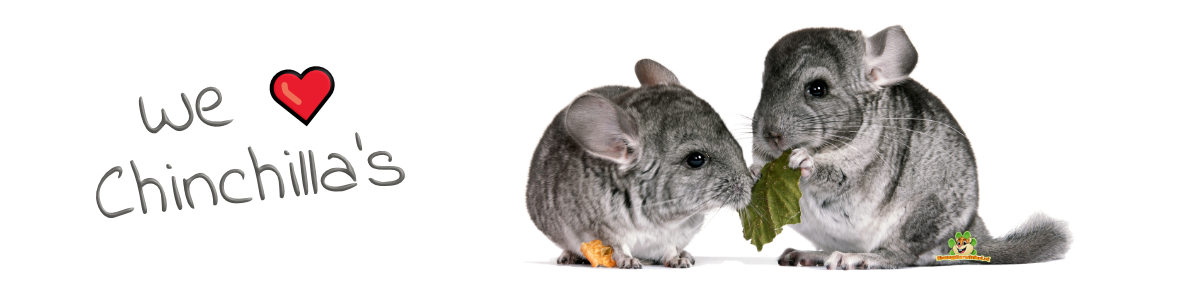
Chinchilla information – all about care, cool housing and nutrition
The chinchilla (Chinchilla lanigera) is an active, sensitive animal with extremely dense fur. Most chinchillas are primarily active in the evening and night and sleep during the day. They may seem like cuddly pets, but many chinchillas don't enjoy being picked up or cuddled. This page provides a practical overview of the most common issues people face: cool housing (summer), sand bath, bedding, food, furnishings, maintenance, and frequently asked questions. DRD Rodent Shop® has been a specialist since 2011 and is happy to help you make choices based on practical feasibility and animal welfare.
Directly to the Chinchilla shop: Chinchilla (all) · Cages · Platforms · Houses · Hammocks · Tunnels · Sandbox · Chinchilla sand · Bedding · Food · Care & cooling
Quick to:
- In short: what does a chinchilla mainly need?
- Character & daily rhythm
- Keeping together & social needs
- Housing: cage/aviary, height & safety
- Temperature & summer cooling (step-by-step plan)
- Ground cover & hygiene
- Sand bath: coat care
- Nutrition: hay, pellets & variety
- Furnishing, enrichment & exercise
- Maintenance & cleaning
- Useful shopping links
- FAQ
✓ Cool and dry
Summer heat is often the biggest risk. Location, ventilation, and cooling elements are priorities.
✓ Sand bath (no water)
Chinchilla sand helps keep their coat in good condition. A sand bath is a regular part of their routine.
✓ Fiber-rich base
Hay as a base, suitable pellets as a supplement, and simple variation for structure and calm in the diet.
Chinchilla checklist (good basis)
- ✓ Preferably with a conspecific, with enough space, hiding places and multiple food/drink points.
- ✓ Spacious, safe cage/aviary with stable platforms and logical routes.
- ✓ Cool location: out of the sun, stable temperature and attention to summer cooling.
- ✓ Sand bath with chinchilla sand (no water bath).
- ✓ Feed: plenty of hay and suitable pellets; provide variety primarily through suitable herbs/greens and enrichment.
- ✓ Always use gnawing material and safe materials; check attachment and wear regularly.
Character & daily rhythm
Chinchillas are alert, can run fast, and jump impressively. They are usually most active at dusk and at night. Many animals become tame, but prefer to "watch" rather than cuddle. Peace, predictability, and a logical setup are enormously helpful.
- Allow your chinchilla to choose contact; do not force a lift.
- Never lift by the tail and avoid startling moments.
- Especially suitable for children to observe and feed quietly under supervision.
Keeping together & social needs
Chinchillas are naturally social. Keeping them together is often best, but a good match and sufficient space make all the difference. Provide multiple hiding places and multiple feeding and drinking stations so the animals are less likely to corner each other.
Housing: spacious, high and safely built
A good chinchilla enclosure has both floor space and height, with stable platforms. Consider routes: from resting area to feeding area, to sand bath, to play/climbing area. Use sturdy materials, ensure proper attachment, and avoid sharp edges or wobbly parts.
Temperature & summer cooling: practical step-by-step plan
Because of their dense fur, chinchillas are less tolerant of heat and high humidity. During hot periods, cooling is often the most important consideration. In practice, the following is most helpful:
- Place the enclosure out of direct sunlight, away from windows and heat sources.
- Provide ventilation without draughts; keep the enclosure dry.
- Use cooling elements that are suitable for chinchillas, such as cooling plates/cooling stones or a cool tile as a resting place.
- Check frequently for lethargy or unusual behavior; if in doubt, contact a veterinarian.
Handy for hot days: Care & cooling · Summer products (cooling)
Ground cover & hygiene: dust-free, absorbent and practical
Choose a substrate that produces little dust and is highly absorbent. Chinchillas can be sensitive to dust; a fresh, dry base is best. A designated toilet area (pee corner) makes cleaning easier and keeps the rest of the enclosure calmer.
✓ Dust-free
Replace wet spots immediately and keep the air in the enclosure calm.
✓ Pee corner
A fixed toilet zone reduces maintenance and helps limit odor formation.
✓ Phased cleaning
It is better to replace in parts rather than all at once, so that the stay remains familiar.
View: Chinchilla Bedding · Toilets
Sand bath: essential for coat care
Chinchillas don't wash with water, but with sand. A sand bath helps keep their fur clean and fluffy and is also a great enrichment. Use chinchilla sand (not play sand). Many owners offer it several times a week; change the sand regularly and put the bath back clean.
View: Sandboxes · Chinchilla sand
Nutrition: hay as a base, pellets as a supplement, moderate variation
The foundation for chinchillas is fiber-rich hay: hay should always be available. Pellets are a supplement; keep things organized and calm. Variation is possible with suitable herbs/greens and foraging, but the principle remains simple and fiber-oriented.
Handy structure:
- Hay: always available, preferably in several places (especially if there are multiple animals).
- Pellets/food: suitable for chinchillas, as a supplement.
- Herbs/variety: for variety and foraging, without it becoming the “main course”.
- Rodent material: available daily.
View: Chinchilla Food · Pellets · Hay & Herbs · Snacks
Furnishing, enrichment & exercise
A good design is logical and safe: climbing, hiding, gnawing, and a clear route through the enclosure. Platforms, bridges, ladders, sturdy houses with multiple entrances, and foraging options help guide behavior without stress.
View: Plateaus · Tunnels · Play & forage · Rodent material
Maintenance & cleaning (practical)
- ✓ Daily: remove wet spots/food residue, change the water.
- ✓ Weekly: partially replace the pee corner and busy areas, check fastenings and wear.
- ✓ Periodically: thoroughly clean with hot water, allow to dry thoroughly (avoid moisture in the enclosure).
Useful shopping links (most relevant)
Accommodation & furnishings:
Cages · Platforms · Houses · Hammocks · Tunnels
Sand, soil & hygiene:
Sandbox · Chinchilla sand · Bedding · Toilets · Care & cooling
Food & gnawing:
Food · Pellets · Hay & herbs · Hay racks · Snacks · Gnawing material
Questions? Visit our service page: drdknaagdierwinkel.nl/nl/service/
FAQ – Chinchilla
Are chinchillas cuddly toys?
Many chinchillas don't enjoy being picked up or handled intensively. They're great to watch and can be tamed, but usually at their own pace.
Why is summer cooling so important?
Chinchillas' dense fur makes it harder for them to dissipate heat. Location, ventilation, and suitable cooling elements are often most important during warm periods.
How often do I give a sand bath?
Many owners offer chinchilla litter several times a week. Keep the litter clean and replace it when it becomes soiled.
What is the basis of chinchilla nutrition?
Hay is the foundation (always available), pellets are a supplement. Variety works best when it's kept simple and primarily supports enrichment.
More general background information about pets can also be found at the LICG: licg.nl .
✓ Practical selection aid for cooling, sand bath, nutrition and furnishings
✓ Logical shopping links to the correct chinchilla categories
✓ DRD Rodent Shop® – specialist since 2011
