 Polski

Feeding garden birds: guide
- Posted on
- By DRD Knaagdierwinkel
- Posted in Garden Birds
- 0
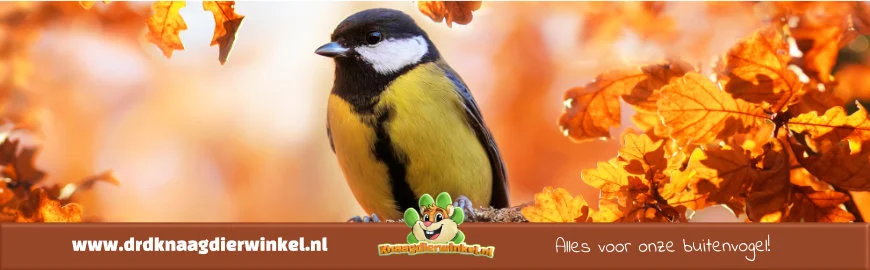
What, when and how to feed garden birds: seasonal tips, hygiene basics and what to avoid—so your feeding spot stays safe and welcoming.
Feeding garden birds: a guide for bird lovers in the Netherlands
Feeding garden birds can be done year-round, as long as you keep it smart, clean and seasonal. In this guide you’ll learn when feeding is useful, what to offer (and what to skip), and how to create a safe, hygienic feeding spot that different bird species will happily return to.

- ✔ Varied selection
- ✔ Useful in any season
- ✔ Easy to refill

- ✔ Popular with many species
- ✔ Energy source in cold weather
- ✔ Easy to combine

- ✔ Great as variety
- ✔ Easy to offer
- ✔ Replace in time

- ✔ Protein source
- ✔ Suitable for many species
- ✔ Easy to portion
1) When should you start feeding?
In the Netherlands many people start feeding in autumn, when natural sources (insects, berries, seeds) become less available. You can also feed outside winter, as long as you keep it seasonal.
- Autumn & winter: focus on energy-rich foods such as seeds, nuts and fat products.
- Spring: small portions and preferably a bit more protein-rich (for example mealworms), especially if you notice birds are busy nest building.
- Summer: water is often more important than extra food. Provide a shallow dish and refresh daily.
Practical tip: it’s better to feed a little every day than a lot now and then. This keeps things tidy, prevents spoilage and helps you see how much is actually eaten.
2) What should you feed garden birds?
Variety works best. Different bird species have different preferences, and a varied offering usually attracts more species to your garden.
- Seeds and kernels: for example sunflower seeds. Many birds love them and they’re easy to combine with other feed.
- Nuts: choose unsalted and unroasted. Peanuts are popular, but preferably offer them in a suitable feeder so it stays tidy and doesn’t get wet.
- Fat products: fat balls, fat blocks and special bird peanut butter are energy-rich. For peanut butter you can look here: peanut butter for (garden) birds.
- Fruit: apple pieces are a nice change. Replace fruit in time so it stays clean and appealing.
- Insects: with mealworms you especially help species that look for protein.
Want to keep it simple? Start with one basic spot (seeds/kernels) and then add one extra option, such as fat or insects. That way you quickly see what your garden birds prefer.
3) How to feed safely and hygienically
A good feeding spot is safe, dry and easy to clean. That’s great for birds and for you.
- Choose the right location: preferably sheltered, with good visibility for the bird, and not right next to a place where cats can hide.
- Offer food dry: wet food spoils faster. Use a feeder house, silo or holder where possible.
- Make hygiene a routine: clean feeding spots regularly with hot water, let them dry well, and replace mouldy or wet food immediately.
- Water: place a shallow dish and refresh daily. In frost, check more often and top up if needed.
You can find everything for feed and feeding stations in one place under Garden birds. Want a broader look at garden wildlife? Then Garden animals is a great place to start.
4) What should you avoid feeding?
Some “easy” options seem convenient, but add little value or are simply less suitable. In most cases it’s better to skip:
- Salty and seasoned foods: such as salted peanuts, crisps, sausage or leftovers with spices.
- Sugary products: cookies, cake or sweet cereals.
- Large amounts of bread: bread fills quickly but isn’t ideal nutrition. Choose seeds, fat or insects instead.
- Spoiled or mouldy feed: remove it immediately and clean the feeding spot.
Want to make your garden even more attractive for wildlife? Native planting and shelter help a lot. For garden life besides birds (such as pollinators), you can also look at Butterflies & bees.
Frequently asked questions
1) When is the best time to start feeding?
Many people start in September/October. You can also feed outside winter, as long as you keep it seasonal and the food fresh.
2) Can I feed all year round?
Yes. In summer, pay extra attention to hygiene (food spoils faster) and think about water. In spring, smaller portions and more protein-rich options are often more practical.
3) Is peanut butter OK for garden birds?
Preferably choose peanut butter made for birds. See suitable options here: peanut butter for birds.
4) How often should I clean a feeding spot?
Regularly is the key. In wet weather or with heavy use, cleaning more often is smart. Use hot water, let it dry well, and replace food in time.
5) What if I see sick or weakened birds?
Remove leftover food, clean the feeding spot extra thoroughly and offer clean water. If in doubt, you can pause feeding at that spot temporarily.
Shop by theme
Would you like advice on what best fits your garden, feeding spot and season? We’re happy to help via our customer service. Specialist sinds 2011.








Comments
Be the first to comment...