 Polski

Hamster weight & healthy condition – weigh, adjust and stay fit
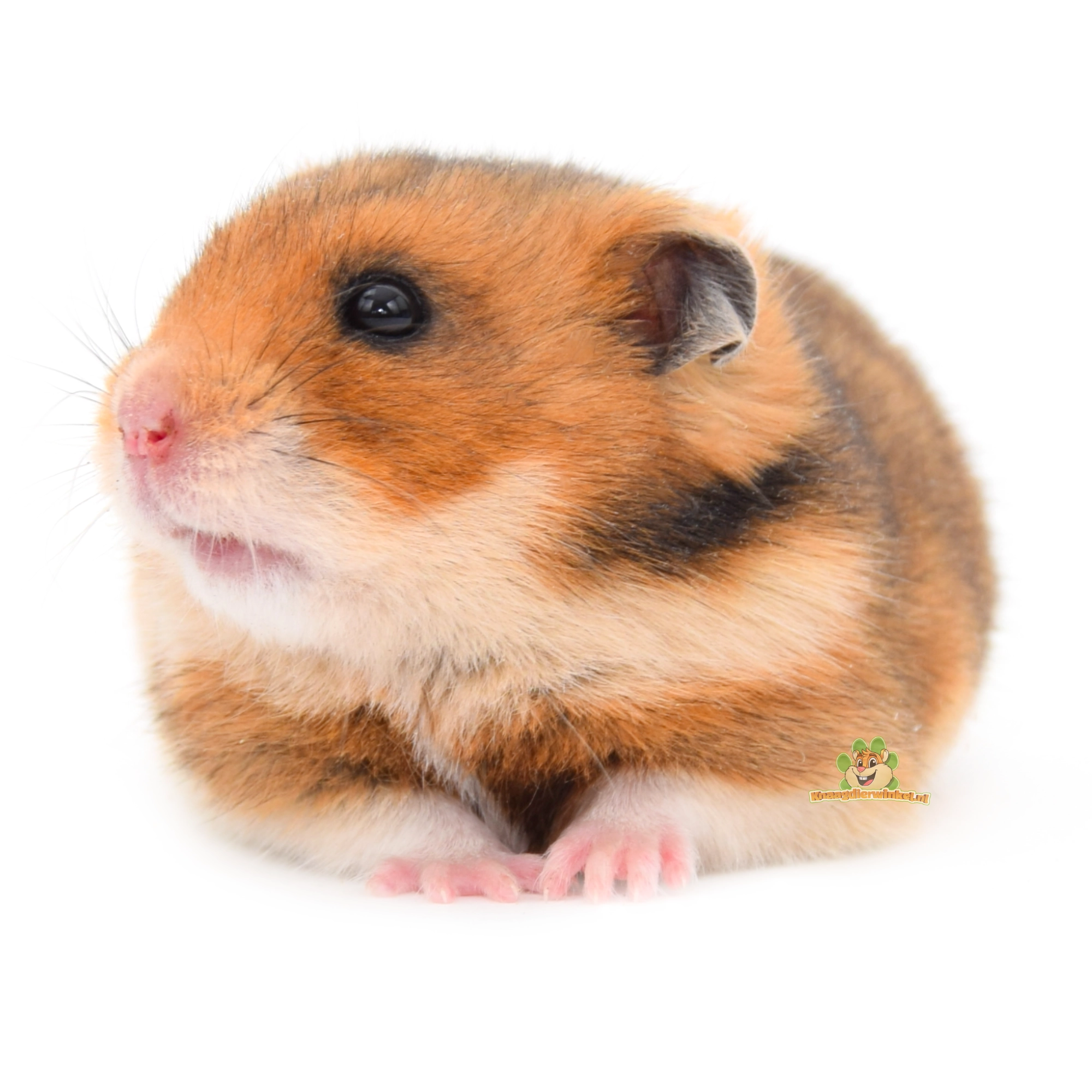 The "correct" weight for hamsters isn't a fixed number, but a combination of condition , build , and daily habits . A hamster can be a bit heavier and still be fit, or appear light but lack sufficient reserves. This guide will teach you how to easily check your hamster's condition: weighing without stress, a practical body check, smart nutrition and exercise (without overdoing it), and what to do if you want to make adjustments. DRD Rodent Shop® has been a specialist since 2011.
Directly to the Hamster shop: Hamster (all) · Hamster food · Snacks · Exercise wheels · Play & forage
Quick to:
- Checklist (quick, good basis)
- Guideline values adult weight (per species)
- Recognizing healthy condition (body check)
- Weighing a Hamster Without Stress (Step)
- Nutrition: basics, portions & rewards
- Exercise: what really helps?
- Steering: too heavy or too light
- When to pay extra attention or consult
- Useful shopping links (Hamster)
- FAQ
Checklist: Hamster Weight & Condition (Quick, Good Foundation)
- ✓ Don't just look at weight, but especially at condition (body shape, coat, activity, appetite).
- ✓ Weigh yourself at fixed times (e.g. once a week) and record this in a logbook.
- ✓ Limit snacks: mini snacks and “crumb portions” are often sufficient.
- ✓ Encourage exercise with a suitable exercise wheel and foraging (spreading food).
- ✓ Pay attention to rapid changes: sudden weight loss/gain is more important than an exact number.
- ✓ If in doubt about fitness or long-term change: consult a veterinarian.
Guideline values adult weight (per species)
These weights are average guidelines . Body type, line/breeding direction, and condition all vary. Therefore, pay particular attention to trends (over weeks) and the body check.
Dwarf hamsters (varies by species):
- ✓ Russian dwarf hamster (Phodopus sungorus): often 40–60 grams
- ✓ Campbell's dwarf hamster (Phodopus campbelli): often 40–60 grams
- ✓ Roborovski (Phodopus roborovskii): often 25–45 grams
- ✓ Chinese dwarf hamster (Cricetulus griseus): average 40–50 grams
Golden hamster (Syrian hamster):
- ✓ Guideline: usually 130–200 grams (females are on average slightly larger).
- ✓ In practice you often see: male more often in the lower/middle range and female more often in the middle/upper range (overlap is normal).
Tip: always weigh at the same time (preferably when your hamster is awake) and take into account full cheek pouches or whether it has just eaten/drank.
✓ Condition over number
A fit hamster is active (when awake), has a normal appetite and moves smoothly.
✓ Quiet roads
Weighing can be stress-free with a container/transport box and a fixed routine (in the evening, when he is awake).
✓ More exercise = easier
A custom-made running wheel + foraging + digging space often helps more than just “feeding less”.
Recognizing healthy condition (quick body check)
Use these simple checks. Do this preferably when your hamster is calm and hasn't just woken up.
- Top view: you often see a slight “waist” (not straight, but also not round like a ball).
- Side view: the belly does not drag on the surface; your hamster moves smoothly.
- Feel (very carefully): you should not feel any sharp ribs sticking out, but you should also not feel anything “hidden in fat”.
- Coat & Activity: A healthy hamster grooms itself, is curious when awake, and responds normally to food.
Important: Dwarf hamsters vary by species and build. Therefore, always consider the bigger picture, not just a single number.
Weighing a Hamster Without Stress (Step)
- Choose a fixed time: preferably in the evening when your hamster is awake.
- Use a container or transport box: let your hamster walk into it by itself (possibly with a mini snack).
- Tare (zero): Set the scale to 0 with the container/box on top.
- Quick measurement: note the weight and release your hamster back into the enclosure immediately.
- Logbook: write down date + weight + notable details (appetite, activity, new food, extra snacks).
This is how you see trends. One measurement tells you little; a trend over 4–6 weeks tells you a lot.
Nutrition: basics, portions & rewards
A good foundation is a complete hamster food, with controlled variation. Hamsters hoard; "lots in the nest" doesn't always mean "lots eaten."
- Basic food: choose a complete mix or suitable food for your species (dwarf hamster/golden hamster).
- Reward: Mini treats work best. Even a small crumb can be a great training treat.
- Foraging: Spread some of the day's food throughout the enclosure. This provides a challenge and prevents snacking.
Handy extras: Hamster food · Snacks · Playing & foraging
Exercise: what really helps?
Hamsters like to move "at their own pace." Here are the most effective ways to encourage extra activity:
- A suitable exercise wheel (safe design and correct size): often the biggest game changer.
- Digging space (deeper ground cover) and multiple tunnels/routes.
- Foraging instead of putting everything in one bowl.
- Exercise in a run (safe and quiet), if your hamster likes that.
View: Exercise wheels · Bedding · Tunnels · Hamster run
Adjusting: too heavy or too light (practical approach)
If your hamster becomes overweight:
- Limit snacks first (often the biggest “hidden” source).
- Make eating more active: distribute food, foraging toys.
- Check the running wheel (correct size) and add routes/tunnels.
- Adjust in small steps and follow the trend weekly.
If your hamster becomes underweight or loses weight:
- Check whether he is actually eating (hoarding is normal, but there must also be intake).
- Check teeth, coat, feces and drinking behavior.
- Keep the environment calm and warm enough; stress can affect appetite.
- If weight loss persists: consult a veterinarian.
When to pay extra attention or consult
Take changes seriously if your hamster:
- suddenly eats or drinks significantly less;
- visibly loses or gains weight in a short period of time;
- is less active than normal when awake;
- shows a dull coat, wet chin, diarrhea or shortness of breath.
If in doubt, it is advisable to consult a (rodent specialist) veterinarian early on.
Safe and pleasant (without stress)
- Keep your weigh-ins short and easy; make it a predictable routine.
- Use mini snacks and avoid “extra portions” in between.
- Focus on movement and enrichment; that is often the most positive way to make adjustments.
- If you have any persistent doubts about weight or fitness, consult a veterinarian.
Useful Hamster shopping links (most relevant)
Food & rewards:
Hamster food · Snacks · Herbs & seeds · Animal proteins
Movement & enrichment:
Exercise wheels · Play & forage · Tunnels · Hamster run
Bottom & nest:
Ground cover · Nesting material · Houses
Health & Care:
Read more: Hamster information (all pages) Questions? Visit our service page .
For general background information you can also consult the LICG .
FAQ – Hamster weight & condition
How often should I weigh my hamster?
For a healthy hamster, weighing him once a week is usually sufficient. If you have any questions or need to make adjustments, you can temporarily weigh him twice a week at fixed times.
My hamster is hoarding a lot of food. Is he eating too much?
Hoarding is normal. Look at the trend in weight, activity, and the amount of food actually disappearing. Foraging helps to calm eating behavior.
What's the best way to get a hamster to lose weight?
Fewer snacks, more activity: a custom-made exercise wheel, food distribution, and enrichment. See: Play & Foraging .
✓ Simple body check and weigh-in routine
✓ Positive adjustments with nutrition, exercise and foraging
✓ Specialist selection assistance since 2011
