Polski

The Harrington's gerbil (Taterillus harringtoni) is listed on the Dutch pet and hobby pet list (effective July 1, 2024 ). This means that, technically, this species may be kept and traded. However, in the everyday pet hobby, it is not a common "pet species," and broad practical experience in the Netherlands is limited.
That's why this page is intended as a theoretical guide : a practical foundation that usually suits gerbil-like desert rodents (enclosure, digging substrate, sand zone, diet, and enrichment). If you ever encounter this species, pay extra attention to origin, documentation, and welfare.
Want a gerbil as a real pet with plenty of reliable practical knowledge? Then start with the Mongolian gerbil or the Gerbil Information overview. Specialist since 2011.
Harrington's gerbil (Taterillus harringtoni) as a pet
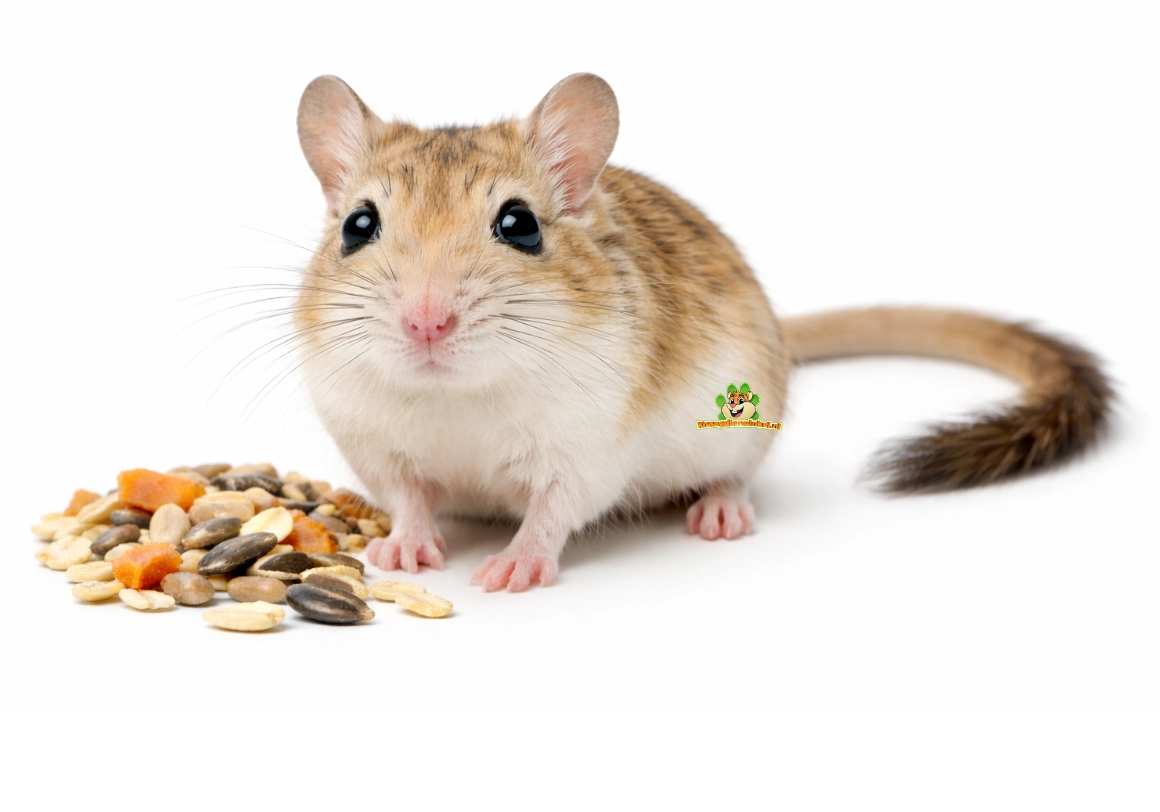 The Harrington's gerbil ( Taterillus harringtoni ) is a gerbil-like species native to drier regions. If this species were kept as a pet, it would likely be primarily for viewing : digging, foraging, sand bathing, and creating "routes" through the enclosure are typical of similar desert rodents. Because practical information about this species as a pet is limited, we will focus here on a basic setup that is generally suitable for this type of animal. DRD Rodent Shop® has been a Specialist since 2011 and is happy to help you with a practical, logically designed setup.
Directly to the Gerbil shop (useful for furnishing & basics): Gerbil (all) · Gerbil cages & terrariums · Gerbil substrate · Gerbil food & nutrition
Character & activity
Gerbil-like species are often alert and react strongly to change. A quiet location (not right next to speakers or a busy walking path) and a predictable routine usually help. Expect an animal that you can build rapport with through quiet presence, feeding, and observation.
Accommodation (terrarium) & furnishings
A glass tank/terrarium is often the most practical choice, as it allows for deep substrate and tunnels remain more stable. Ideally, choose a tank with ample substrate, a sturdy lid, and good ventilation.
Design tips: Place heavier items (like houses/platforms) on the ground, preferably with bedding around them. Use multiple hiding places and a distinct nesting area.
Digging bottom & nest
For this type of animal, a deep, tunnel-resistant digging surface usually makes the biggest difference. Combine ground cover with texture (e.g., hay/straw) and provide nesting material to create a sheltered nesting zone.
Sand bath
Many gerbil-like species like to use a sand bath as a permanent place to roll and support grooming. Choose a stable sandbox and place it in a fixed corner. Handy: Gerbil sandboxes .
Power supply
A good gerbil diet, with variety through herbs and natural forage items, often works well as a foundation. For gerbil-like species, a suitable protein source (e.g., insect snacks) is sometimes also used occasionally to provide variety. Make feeding fun by hiding (some of) the food.
Keep together
There's little reliable, widely shared practical evidence in the hobby about keeping this specific species together as pets. Territorial behavior can occur in gerbil-like species, meaning that placing them together (especially with adults) can create a risk of tension. If you do want to work with more than one animal, do so only with animals that have demonstrably grown up together and with a spacious, well-designed enclosure, so that alternatives remain possible.
Harrington's Gerbil Checklist (Quick, Good Basic)
- ✓ Terrarium/glass container with sturdy, escape-proof lid and good ventilation.
- ✓ Deep, tunnel-resistant digging bottom + clear nesting zone.
- ✓ Spacious sand area in a fixed corner + at least one extra hiding place.
- ✓ Foraging enrichment (hidden food), gnawing material and multiple routes.
- ✓ Spot clean daily; refresh periodically in parts, not all at once.
Maintenance & hygiene
Remove wet spots and leftover food daily. Keep the sand clean by sifting out/replacing soiled areas. It's best to partially replace the bedding so the surrounding area remains recognizable. Check the lid, edges, and furnishings weekly for wear and tear.
Good to know
- ✓ Legal status does not automatically say anything about availability or daily pet practice.
- ✓ Place the enclosure in a draught-free place at a stable temperature; avoid rapid temperature fluctuations.
- ✓ Use a closing lid/lock (fast + bouncy = faster escape than you think).
- ✓ Place heavy items on the bottom so that tunnels cannot collapse due to weight.
- ✓ In case of persistent unrest or injuries: immediately separate and seek advice.
Useful shopping links (Gerbil categories)
Housing: Gerbil cages & terrariums
Digging bottom & nest: Ground cover · Nesting material
Shelters & Routes: Houses & Hideouts · Tunnels · Plateaus & Steps
Sand & sandboxes: Sand & sandboxes
Enrichment: Toys & foraging · Gnawing material
Food & Variety: Gerbil Food & Nutrition · Hay · Herbs · Snacks
Practical: Drinking bottles · Food bowls & drinking bowls · Transport
FAQ – Harrington's gerbil
Is this a stuffed animal?
Usually not. Rely on a viewing animal: you build trust with calmness, routine, and rewards, and you enjoy the natural behavior in the enclosure.
What's more important: height or ground surface?
Ground surface and digging depth. A logically designed, deep digging area often works better than a high climbing area.
Is this species on the pet and hobby pet list?
Yes, Taterillus harringtoni is on the list. This indicates its legal status, but doesn't automatically mean it's a common pet species in practice.
Where do I start if I want to order the basics all at once?
Start with Gerbil (all) and combine: bedding + nest + houses/tunnels + food. Questions? Check out our service page .
✓ Practical basics for digging, hiding and foraging
✓ Quick shopping links to gerbil categories (useful for furnishing)
✓ Specialist since 2011: decision aid that works in practice