 Polski


Fat-tailed gerbil information – housing, sand bath, food & safe setup
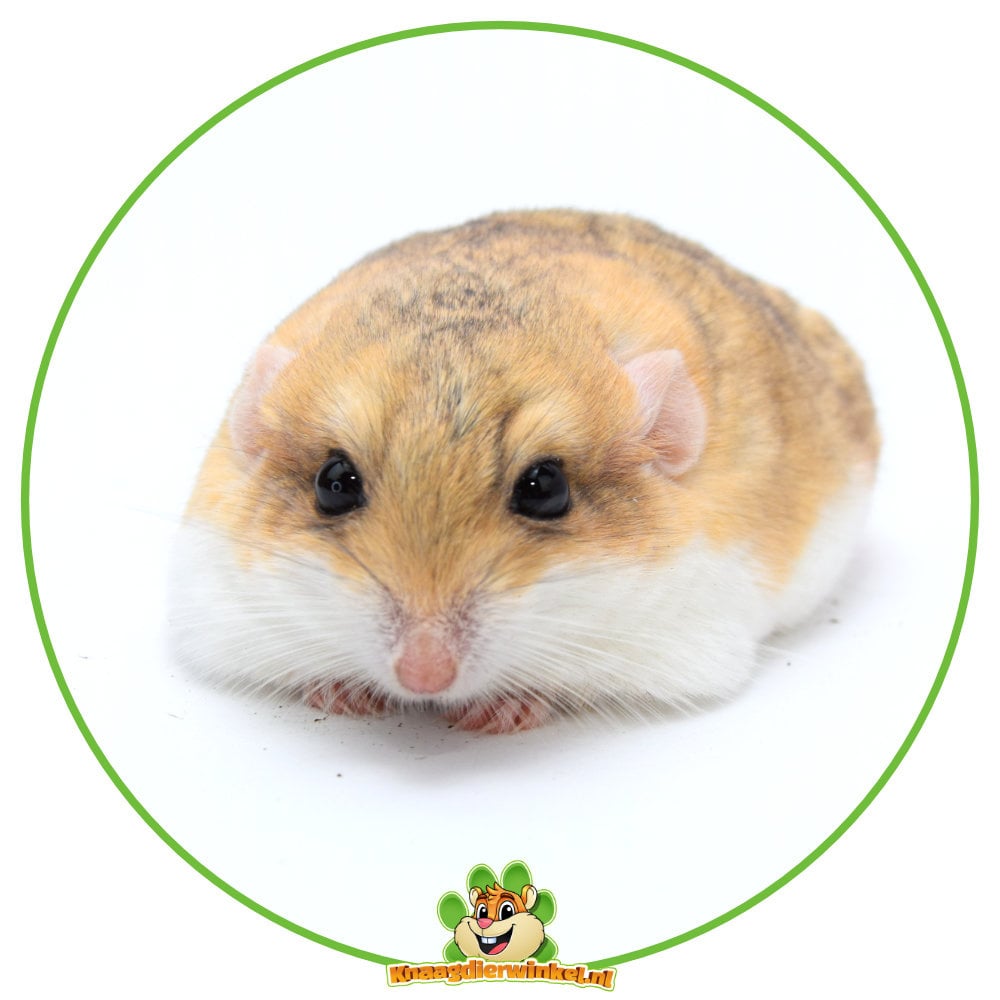 The fat-tailed gerbil ( Pachyuromys duprasi ) is a striking desert animal with a club-shaped tail. Its behavior and build are often more reminiscent of a hamster than the "classic" gerbil species. Important to know: fat-tailed gerbils are often best kept alone (territorial disputes/quarrels can quickly escalate) and they require a permanent sand bath for grooming. DRD Rodent Shop® has been a specialist since 2011 and is happy to help you establish a safe, logical foundation.
Directly to Gerbil range: Gerbil (all) · Housing · Sand & sandboxes · Gerbil food
Quick to:
Fat-tailed gerbil checklist (practical basic)
- ✓ Start by housing alone (unless you are very experienced and the animals have been proven to be stable together).
- ✓ Choose a shelter with sufficient ground surface and at least ±20 cm of digging layer.
- ✓ A sandbox with chinchilla sand is not an “extra”, but part of the basics.
- ✓ Diet: gerbil food as a base, with suitable (dried) insects/protein sources as a supplement.
- ✓ Only safe materials (preferably no plastic) + always gnawing material.
✓ Often solitary
Peace and quiet are important. Prevent stress by creating a safe, predictable setup.
✓ Sand bath = must
Helps with coat care and activity; keeps the sand clean and dry.
✓ Protein supplement
In addition to basic food, a well-thought-out protein supplement often works best for condition.
Keep alone or together?
Fat-tailed gerbils can be territorial, and arguments can quickly escalate. Therefore, keeping them alone is often the most peaceful and predictable option. If you (as an experienced owner) still want to keep them together, always have a plan B (second home) ready and monitor their behavior closely.
Accommodation: digging, sheltering and stable establishment
Focus on "desert logic": a digging zone (deep and stable), a sand zone (dry), and multiple shelters. Place heavy items first (stones/terracotta) and then add mulch to prevent the structure from sinking during digging.
Sand bath: essential and hygienic
A sandbox with chinchilla sand promotes coat care. Keep the sand dry and replace it when it becomes soiled.
Nutrition: basic + protein supplement
Use a complete gerbil mix as a base and work with consistent supplements that match their natural diet (e.g., insects/protein sources). Keep treats small and functional (reward/foraging), not "filling."
Relevant shopping links for Fat-tailed gerbils
Cages & enclosures · Bedding (diggable) · Sand & sandboxes · Houses · Tunnels
Gerbil food · Snacks · Gnawing material · Play & foraging · Exercise wheels
Inspiration via tags: Digging sand · Gerbilscaping
For general background information you can also consult the LICG .
FAQ – Fat-tailed gerbil
Why is a sandbox so important?
Sand supports coat care and helps prevent grease buildup. Keep the sand clean and dry.
Can I keep a fat-tailed gerbil together?
In many cases, keeping them alone is the most peaceful. If you house them together, monitor their behavior closely and always have a second home available.
Tip: Want a complete base quickly? Check out our Gerbil kits and add a sandbox and a diggable bedding.
✓ Targeted range for desert animals & safe materials
✓ Specialist selection assistance since 2011
✓ Practical tips for sand, digging and coat care
