Polski

Everything for the Hedgehog

Everything for the hedgehog: hedgehog food, supplementary feeding & practical help
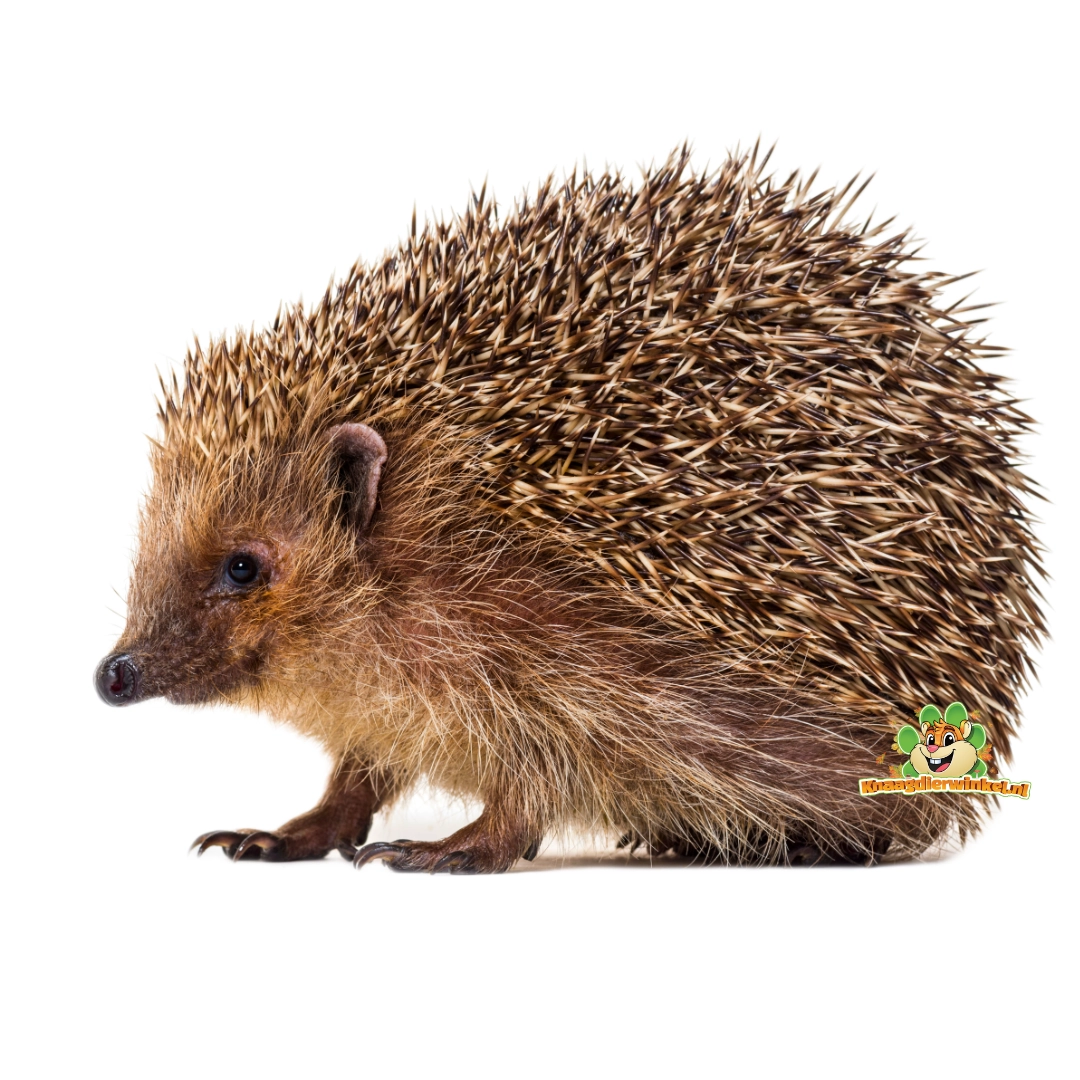 Hedgehogs are special visitors to the garden. With the right feeding station, clean water, and appropriate hedgehog food, you can support them responsibly. DRD Rodent Shop® has been a specialist since 2011 and helps you choose based on safety and practical feasibility.
Hedgehog food & supplementary feeding
✔ Suitable hedgehog food as a basis
✔ Clean water in a fixed location
✔ Hygienic feeding prevents nuisance
Hedgehog-friendly garden
✔ Hiding places (leaves, shrubs, branches)
✔ No poison in snail/insect control
✔ Passage under fence helps routes
Temporary support
✔ Useful tools such as a feeding syringe and a nursing bottle
✔ Milk replacer for young animals (only if absolutely necessary)
✔ Always seek advice from the shelter/animal ambulance first
When can you feed hedgehogs?
Hedgehogs primarily forage for food at dusk and at night. Supplemental feeding can help when natural food is (temporarily) scarce. Ideally, choose a fixed, quiet feeding spot and keep it organized: it's better to have a consistent and clean environment than to just "a little extra every now and then."
What do you give: suitable hedgehog food as a basis
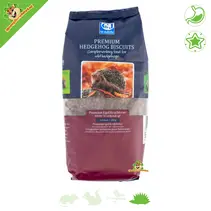
For a responsible feeding area, we recommend a complete hedgehog food such as CJ Wildlife Hedgehog Food . Always provide clean water (in a low, stable bowl).
How to make your garden hedgehog-friendly
- Hiding places: leave a corner with leaves/branches or plant dense shrubs.
- Route freedom: a small passage under the fence helps hedgehogs move safely through the neighbourhood.
- Water: during dry periods, a water bowl often makes a big difference.
- Safe garden: avoid netting/mesh that animals can get entangled in and cover deep holes.
Temporary help & resources
Do you suspect a hedgehog is weak, injured, or is conspicuously wandering around during the day? It's best to contact a local hedgehog shelter or animal ambulance first. If you're offering temporary support (in consultation), helpful products include:
- Rodent Shop® Feeding syringe – practical for controlled feeding.
- Nursing bottle with 3 silicone teats – for young animals as needed.
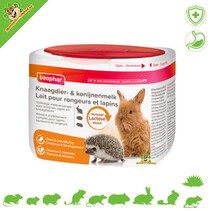
- Beaphar Rodent and Rabbit Milk – milk replacer (only if appropriate for the situation).
Checklist: good hedgehog feeding spot
- Quiet place (out of the way, out of the wind)
- Feed in a shallow dish + always provide clean water
- Remove leftovers and clean the bowl every day
- Make the feeding area cat-unfriendly (e.g. under a bush or sheltered corner)
Safety warnings
- Do not give cow's milk ; it can cause serious stomach and intestinal problems. If necessary, choose a suitable milk replacer.
- Prevent spoiled/damp food: mold is a common cause of problems at feeding areas.
- Do not use snail/insect poison in the garden where hedgehogs forage.
- Do you see a sick, injured, or unusually tame hedgehog? Contact a shelter or animal ambulance.
Frequently Asked Questions
When can I feed hedgehogs?
If natural food is scarce (temporarily), a clean, fixed feeding area can help. Keep it consistent and hygienic.
What is the best hedgehog food?
Preferably choose a complete food, such as CJ Wildlife Hedgehog Food , and always offer fresh water.
How do I know when a hedgehog needs help?
Walking around during the day, appearing visibly weak or having wounds are signals to seek advice from a shelter or animal ambulance.
Can I give milk?
No cow's milk. Only use a suitable milk replacer when absolutely necessary (e.g., for young animals) and appropriately for the situation.
✔ Ordered before 5pm, shipped the same day!
✔ Specialist since 2011
✔ Delivered from our own stock
See also: Garden Animals | Squirrel | Garden Birds | Butterflies & Bees