Polski

Garden animals – food and feeding areas for garden birds, hedgehogs, squirrels, butterflies and bees


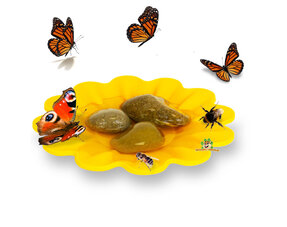
Helping garden animals starts in your own garden
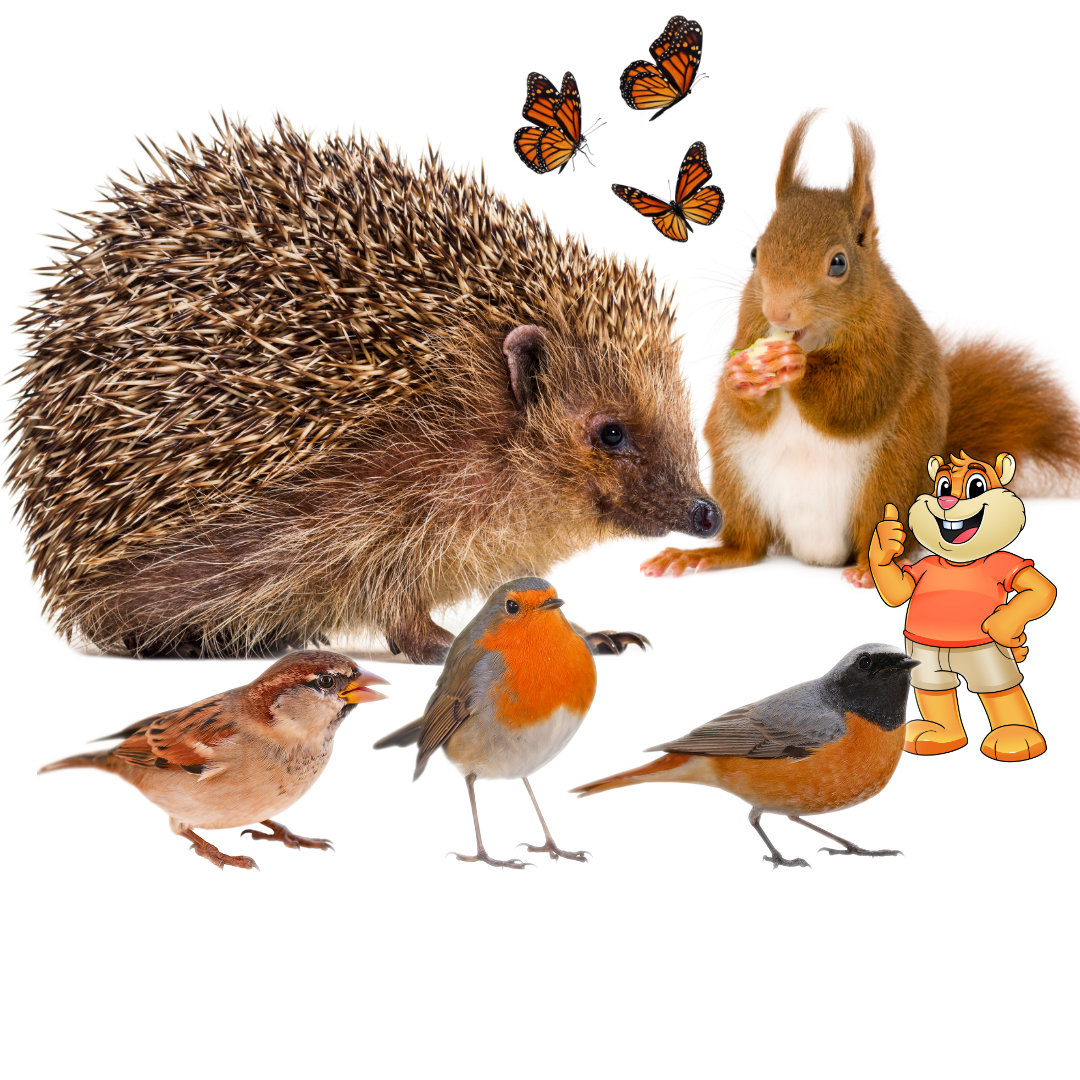 The animals that live in and around our homes are a part of all of us. Think of garden birds on the balcony, a hedgehog rummaging through the garden in the evening, or a squirrel that regularly visits (especially in wooded areas). With the right food , feeding stations , and a few smart adjustments, you can make your garden or balcony more attractive and safer.
At DRD Rodent Shop ® (specialist since 2011) you will find a carefully selected range of garden animals: practical, clear and focused on what works in practice.
✔ Families who love garden animals
✔ Anyone who wants to supplement feeding in a practical way
✔ Feed silos, bowls & feeding areas
✔ Solutions for garden and balcony
✔ Clear assortment (no noise)
✔ Clear tips: what really works
Assortment per garden animal
Want to shop specifically? Go directly to the subcategory that suits your visitors:
- Garden birds – food, feeders, water bowls and handy feeding stations.
- Hedgehog – suitable food and feeding stations for the garden.
- Squirrel – food and feeding areas for wooded gardens and edges.
- Butterflies & Bees – products and feeding stations for pollinators.
Create a pet-friendly garden in 5 steps
Many gardens consist mainly of paving stones and neat fences. Garden animals feel at home in a garden with variety , hiding places , and food sources . These 5 steps will quickly make a difference:
- Work in layers: ground cover, medium-sized plants, shrubs and (small) trees.
- Choose flowers and berries: different flowering times provide life in every season.
- Leave something behind: a corner of leaves and twigs is a mini-ecosystem for insects.
- Add water: A shallow dish (changed daily) helps many species.
- Limit disturbance: resting places (dense shrubs/ivy) provide safety.
Practical examples for a natural garden: Gelderse rose, privet, firethorn, blackthorn, elderberry and cardinal's hat.
Feeding & watering: smart, clean and targeted
Supplemental feeding works best when done selectively : choose a fixed location, feed in appropriate quantities, and keep it clean. This way, you'll help garden animals and keep your garden pleasant.
- Use a feed silo or feeding station: less spillage, less waste, easier to keep clean.
- Refresh the water daily: place a shallow dish, but in frosty conditions it is best to do this several times for short periods.
- Feed a variety: variety attracts more species (and prevents one species from eating everything).
- Do not feed salty or spicy food scraps: choose food intended for garden animals.
Shelters & nest boxes
Hiding places are essential: garden animals want to be able to hide in dense vegetation or a quiet corner. A nest box can provide additional support for garden birds, especially in modern residential areas where cracks and crevices are scarce.
Tip: hang a nest box preferably out of direct sunlight, with a clear flight path and not in direct rain.
In the autumn (when the box is no longer in use) you can clean the nest box with hot water and let it dry thoroughly.
Breeding season: extra proteins for garden birds
During the breeding season, many garden birds need protein-rich food. Consider dried insects: a handy supplement and popular with many species.
Preferably combine this with a quiet feeding place and clean drinking water.
Butterflies & Bees: more color, more life
Want more pollinators in your garden? Then variety is key: flowering plants (at different times), water, and sheltered spots. In the Butterflies & Bees category, you'll find products and feeding stations specifically designed to welcome these visitors.
Checklist: how to make your garden (or balcony) pet-friendly
✔ Work with flowers, shrubs and multiple "layers" of greenery
✔ Create 1 quiet hiding place with leaves/twigs
✔ Use a clean, permanent feeding area (preferably a feeding silo)
✔ Feed in a targeted manner: feed small amounts regularly
✔ Choose food that suits the animal you want to help
Maintenance & hygiene
- Clean feeding areas and bowls regularly and let them dry.
- Remove old remains (especially in damp weather) and do not feed in piles.
- Refresh the water daily and preferably do not place it under trees (leaves/droppings).
- Use several small feeding points rather than one large, busy spot.
Safety in the garden
- Provide shelter for garden animals: dense shrubs, ivy or a quiet corner.
- Do not hang nest boxes in direct sunlight and ensure a clear flight path.
- Preferably feed in a place where you can easily clean.
- Do you see an animal that clearly needs help? Contact a local shelter or animal rescue service for advice.
Frequently Asked Questions about Garden Animals
When can I feed garden birds?
Many people feed mainly during colder periods, but you can supplement feeding intelligently all year round if you feed clean food, give small amounts and offer a varied diet.
How do I attract more different types of birds?
Variety helps: different feeding areas (e.g. silo and bowl), different types of feed and a garden with layers (ground cover, shrubs, trees).
Why are dried insects popular?
Many garden birds appreciate insects as a supplement, especially during the breeding season. They're practical, easy to dispense, and easy to combine with a regular feeding station.
How can I most help butterflies and bees?
Plant bloomers with different flowering periods, provide water, and choose sheltered spots. Also check out our Butterflies & Bees category.
Which category suits my garden visitors?
Go directly to Garden Birds , Hedgehog , Squirrel or Butterflies & Bees .
✔ Carefully selected range for garden animals
✔ Practical tips for garden and balcony
Easily order your garden animal products online and turn your outdoor space into a place that buzzes with life.