Polski

Ferret information – care, nutrition, housing, behavior & safe handling
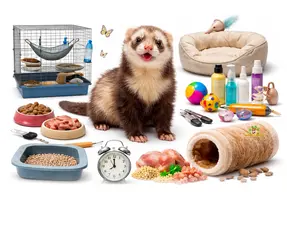
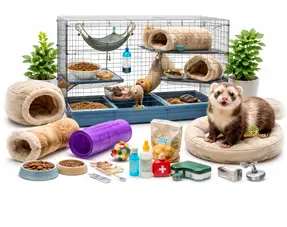


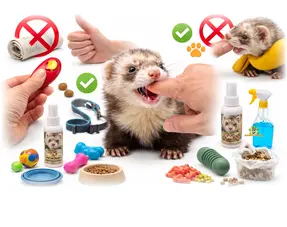
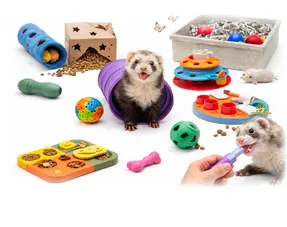
Ferret information – care, housing, nutrition & selection guide
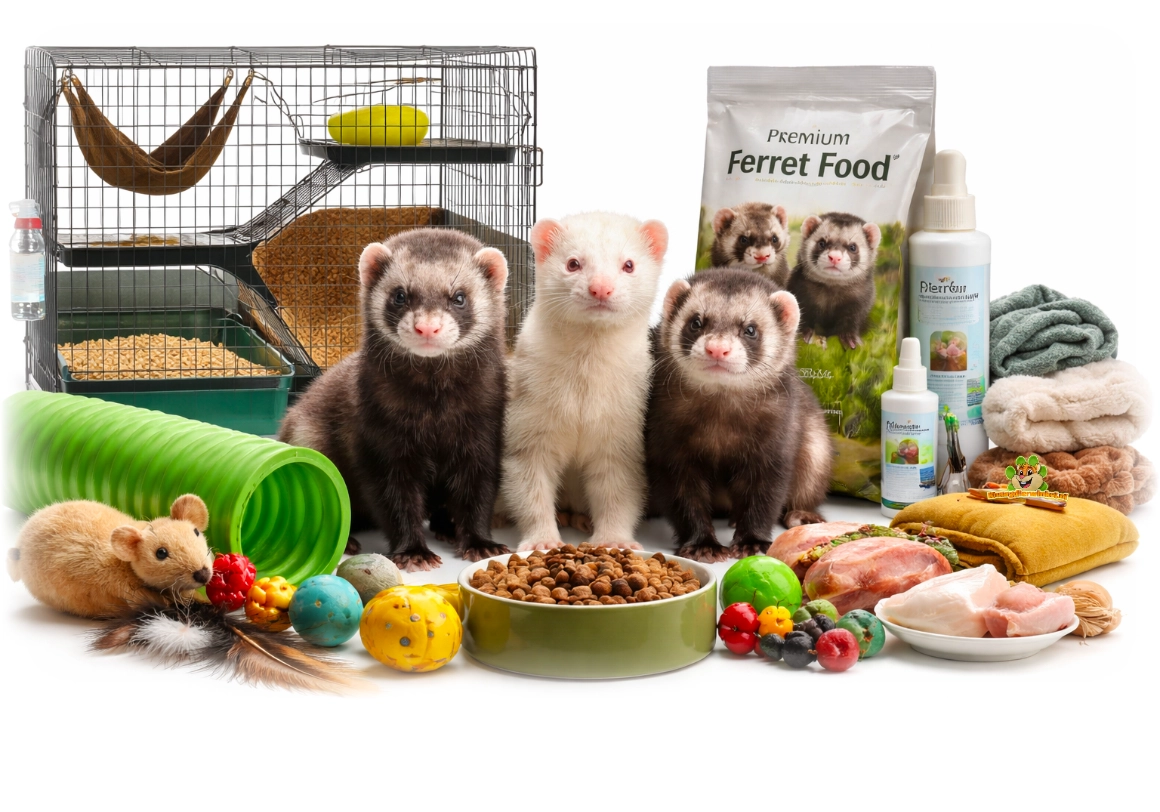 Ferrets are smart, curious, and energetic pets that you'll especially appreciate with their natural behavior: exploring, playing, running, tunneling, and sleeping comfortably warmly. At the same time, ferrets are also true escape artists with their own unique personalities. This comprehensive information page explains how to keep ferrets responsibly: behavior and keeping them together, habitat and furnishings, bedding and toilet, nutrition, litter training/handling, and care and prevention. DRD Rodent Shop® has been a specialist since 2011 and helps you choose based on well-being, safety, and a logically designed habitat.
Directly to the Ferret shop:Ferret (all) · Ferret food & snacks · Houses, baskets & cushions · Bedding & litter · Ferret toilets · Food & water bowls · Ferret toys · Health & care
Quick to:
Ferret checklist (quick, good basic)
- ✓ Choose a safe, escape-proof accommodation with multiple zones (sleeping/eating/toilet/play).
- ✓ Create a fixed toilet spot with a suitable litter box(es) and toilet paper for a fresh routine.
- ✓ Provide several warm resting places (basket, cushion, hiding place) so that your ferret can really relax.
- ✓ Choose wholesome food as a basis and use snacks wisely as a reward (small portions).
- ✓ Schedule safe exercise and enrichment (play, search, training) daily to prevent boredom.
- ✓ Check daily: food/drink , activity, coat/eyes/nose and feces; if in doubt, consult a vet early.
✓ Fret-proof = rest
The safer your environment (cracks, cables, breakable items), the more relaxed your ferret. Safety is the foundation of "enjoying life together."
✓ Sleep warm, play actively
Ferrets are energetic and active, but they also enjoy a deep, warm sleep. Multiple resting places and daily enrichment provide balance.
✓ Fresh with routine
A fixed toilet area, smart cleaning (spot clean) and washable loungers keep the accommodation fresher than "doing everything again and again".
Ferret as a pet – is it right for you?
A ferret is especially suitable for people who appreciate an active, curious animal and want to make time for safe play, exercise, and attention every day. Ferrets are intelligent and have character: they explore everything, can "collect things," and sometimes have distinct preferences. That's precisely their charm, but it also requires structure.
- A good match if you enjoy observing, playing, training and creating a safe environment.
- Less suitable if you are looking for a calm cuddly toy or have little time for daily interaction.
Behavior & keeping together
Ferrets often have "active peaks" where they run, play, and explore, followed by a peaceful sleep. A good setup displays natural behavior: searching, dragging, hiding, playing, and lying quietly together.
Keeping ferrets together (practical): Many ferrets can live with a companion, but introductions require calm and observation. Provide multiple hiding places and more than one of each (sleeping/eating/toilet), so the animals can avoid each other and the group stays calmer. Several warm places to lie down are very helpful: houses, baskets, and cushions .
Housing & furnishings
A practical ferret enclosure has clearly defined zones: sleeping , eating/drinking , toilet , and playing . Ferrets appreciate a clear overview and safe hiding places. Pay attention to stability: ferrets move around a lot and can shift items.
Comfort zone (sleeping): Provide several warm places, preferably washable. Think of baskets, pillows, and hiding places: Houses, baskets & pillows .
Food & Drink: Choose sturdy solutions that are easy to handle and clean: Food bowls, bottles & water bowls .
Ground cover, toilet & hygiene
A fresh routine starts with a consistent litter box. Ferrets often choose corners; make this logical by placing a litter box there and keeping it consistently clean. Use a suitable litter that works well in practice, and help prevent odors with smart maintenance.
Useful categories: Ferret toilets · Litter & litter
A smart approach to hygiene: it's better to frequently "spot clean" (toilet and wet areas) than to replace everything completely. Wash loungers according to the instructions and replace them promptly when worn out.
Food & snacks
Choose a complete ferret food as a base and add controlled variety. Treats are ideal for rewarding and training, but keep portions small: with a small animal, "a little extra" quickly adds up.
Handy category: Ferret food & snacks
- Routine: fixed times provide peace.
- Reward: Use mini-rewards for desired behavior (coming quietly, using the toilet properly, handling calmly).
- Water: always fresh, check daily and keep clean.
Potty training & routine
Many ferrets learn to use a designated toilet spot well if you make it logical and consistent. Start simple and build up as you see which spots your ferret chooses.
- Step 1: Place litter box(es) in corners where your ferret already goes.
- Step 2: Reward calmly after use (small snack).
- Step 3: Clean any “mistakes” neutrally and keep the toilet attractive (clean, accessible).
Start here: Ferret toilets · Toilet filling
Play, enrichment & preventing boredom
Ferrets are smart and thrive on variety. It's not about "lots of stuff," but about offering them intelligently: rotating, searching, short play sessions, and safe challenges.
- Rotate toys: Change some weekly to keep things interesting.
- Search games: hide a small treat and let your ferret search for it.
- Safety: Check toys for wear and loose parts.
View: Ferret toys
Care & prevention
Daily care primarily involves a quick checkup, cleaning, and providing comfort. Pay attention to changes in behavior, appetite, drinking, and activity. Ferrets can hide symptoms for a long time; if in doubt, it's wise to consult a veterinarian early.
Practical category: Health & Care
Read more (extra depth)
Want to quickly get started with your design and routine? These are the most common starting points:
Useful Ferret Shopping Links (Most Relevant)
Stay & comfort:
Floor & toilet:
Toilets · Floor coverings & toilet filling
Power supply:
Play & enrichment:
Practical:
For general background information you can also consult the LICG .
FAQ – Ferrets
What is most important for “happy ferrets”?
Safety (ferret-proof), daily enrichment, and a predictable routine. Combine this with warm resting places, a designated toilet area, and appropriate food.
Why is a fixed toilet spot so important?
Because it keeps your habitat fresher and makes toilet training easier. A good litter box in the right place, along with the right litter, significantly reduces maintenance. See: Ferret toilets .
Water bottle or water trough: what works best?
Many owners choose a sturdy water bowl because it's easy to clean. A water bottle will also work, provided it's properly positioned and checked daily. See: Food & Water Bowls .
Which toys are suitable for ferrets?
Choose toys without detachable parts and check them regularly for wear and tear. Vary them and turn them into search games for an extra challenge. See: Ferret toys .
Can you help me with my situation?
Yes. Contact us through our service page and briefly explain your situation (number of ferrets, current setup, and any challenges you're facing). We'll be happy to help you choose.
✓ Carefully selected range for responsible farming
✓ Selection assistance and in-depth information from a specialist since 2011
✓ Practical tips for a safe, fresh and rich interior