 Polski

Rabbit or guinea pig: taking temperature

When should you take a rabbit’s or guinea pig’s temperature? Safe step-by-step guide, normal ranges and when to contact your vet.
Rabbit or guinea pig temperature: when should you check and how do you do it safely?
Sometimes it’s useful to check your rabbit’s or guinea pig’s body temperature—after surgery (anesthesia), or if you’re unsure whether your pet is too cold or too warm. In this blog you’ll learn when taking a temperature makes sense, how to do it as calmly and safely as possible, and what to do next if the result is outside the normal range.

- ✔ Useful for at-home checks
- ✔ Helpful after anesthesia
- ✔ Supports daily routines
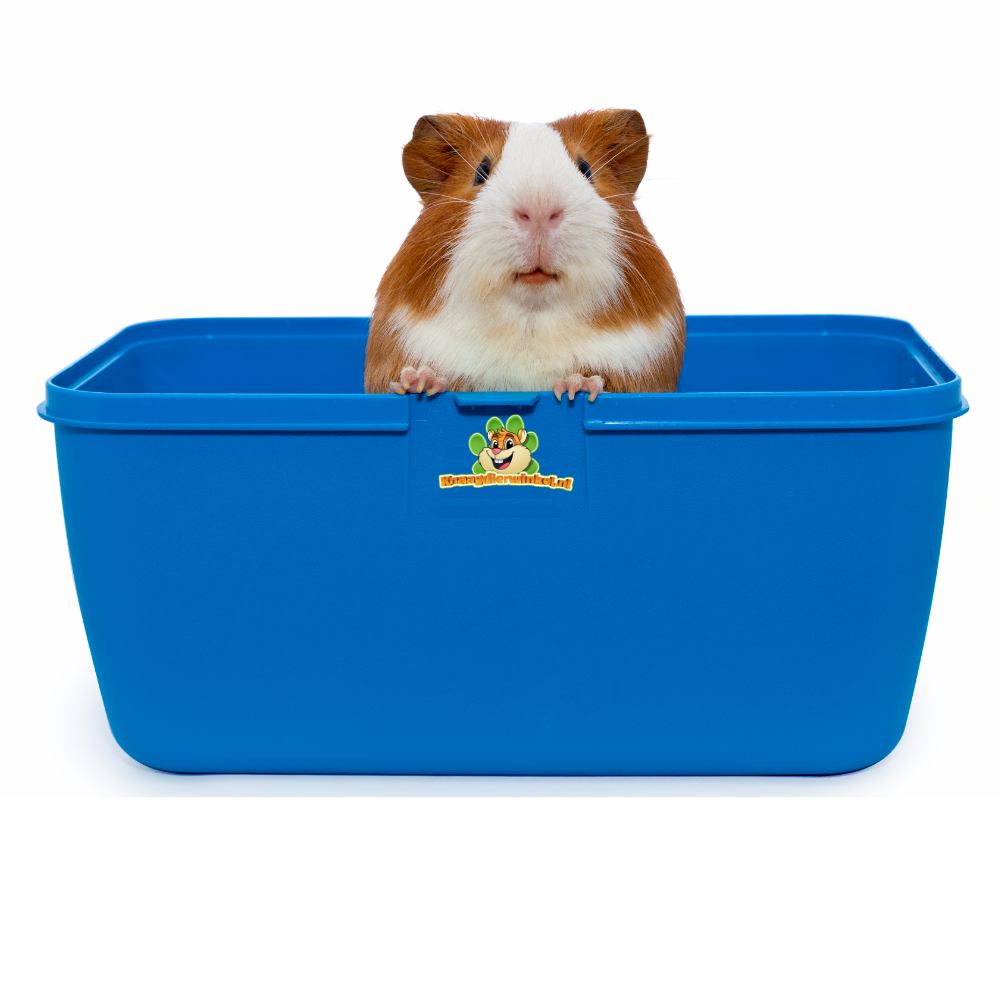
- ✔ Calm, secure travel
- ✔ Ideal for vet visits
- ✔ Easy to clean

- ✔ Cooling options in the enclosure
- ✔ Supports comfort during heat
- ✔ Handy for a summer checklist
1) When should you take a temperature?
Taking a temperature isn’t a daily routine. It’s most useful when you have a clear reason to check, such as:
- After surgery or anesthesia: pets can cool down and may temporarily struggle to keep their temperature stable.
- Clear signs of “not feeling well”: very quiet, sitting still, not eating, or unusual behavior.
- (Suspected) overheating in warm weather: for example, very lethargic, breathing fast, or obvious discomfort.
- (Suspected) hypothermia: feeling cold, shivering, becoming unusually quiet.
Important: if your pet shows obvious breathing difficulty, collapses, doesn’t respond, or rapidly deteriorates, don’t wait for a measurement—contact a vet immediately.
2) How to take a temperature (safe step-by-step)
For a reliable result, use a digital rectal thermometer. It’s best to do this with two people so one person can calmly support the animal.
- Step 1: Choose a quiet place and prepare everything (thermometer, lubricant such as petroleum jelly, paper to note the value).
- Step 2: Support your pet properly. For rabbits, stable support is especially important because they may startle and kick hard.
- Step 3: Lightly lubricate the tip of the thermometer.
- Step 4: Insert the thermometer gently a small amount. Never force it. Wait until the thermometer shows the reading.
- Step 5: Note the temperature, then calmly reward your pet (a small treat or a favorite leaf) and allow it to rest.
If this feels too stressful or you can’t do it quickly, stop. Taking too long causes unnecessary stress. In that case, it’s safer to have a vet do it.
3) Result: what does it mean and what now?
Normal body temperature differs by species and can vary slightly due to stress, environment and activity. As practical guidance, these ranges are often used:
- Rabbit: roughly 38.6–40.1 °C
- Guinea pig: roughly 37.5–39.5 °C
If the reading is clearly lower or higher, or the overall picture doesn’t feel right, contact your vet. An abnormal temperature is not a “diagnosis,” but it is an important signal to take seriously.
Practical, safe support (without overdoing it)
- If cold: move your pet to a warm, draft-free room and offer extra hay. Only use heat sources in a way that your pet can move away at any time and without burn risk.
- If hot: move to a cooler area, provide fresh water and shade. Cooling should be gradual and safe (avoid extreme ice-cold contact on the animal).
Frequently asked questions
1) Isn’t taking a temperature too stressful?
It can be stressful. That’s why you only do it when it’s truly needed and ideally quickly and calmly. If it doesn’t go smoothly, stop and let a vet do it.
2) Can I use an ear thermometer?
For small animals, a rectal reading is usually the most reliable. Ear readings can be less accurate due to fur, movement and positioning.
3) When should I call the vet immediately?
If there’s obvious breathing difficulty, collapsing, no response, rapid deterioration, or a clearly abnormal temperature combined with “not normal” behavior.
Shop by topic
Sources & background
- MSD Veterinary Manual – reference ranges for vital parameters (rabbit and guinea pig)
This article is intended as practical information. If symptoms persist, values are abnormal, or you are unsure, it’s best to consult a veterinarian.









Comments
Be the first to comment...