Polski

The very best rodent and rabbit food! | DRD Rodent Shop®
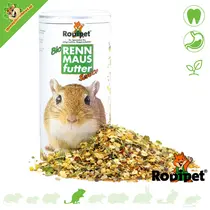
Rodipet gerbil food is 100% natural and organic. Only the best local ingredients have been added to this wonderful blend. Thanks to numerous research trips to gerbil habitats, Rodipet has gained extensive knowledge about their diet. Gerbils are very energ
Read more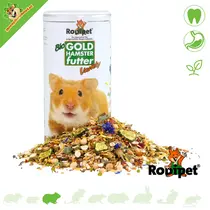
Rodipet Hamster Food Variety lets Syrian hamsters (Golden hamsters) enjoy themselves with all their senses! Taste, smell, feel, hear, and see. If you look closely at your hamster, you'll notice that this little four-legged friend is thrilled to discover n
Read more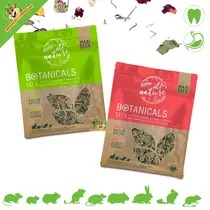
Botanicals Maxi Mix is a natural, tasty mix for rodents. Choose from Raspberries & Cauliflower or Peppermint & Chamomile Blossoms. Ideal as a snack or main food.
Read more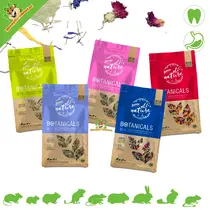
Bunny Nature Botanicals Mid Mix – Fine Natural Mix for Guinea Pigs, Rabbits, Chinchillas, Degus, Gerbils, Mice, Hamsters, and Rats! Natural herbal mix with carefully selected plants and flowers. Ideal as a snack or part of the allNature nutrition concept
Read more- Voor 17 uur besteld, dezelfde dag verzonden!
- Specialist sinds 2011
- Delivery from our own stock
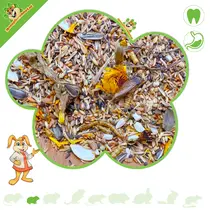
This grain-free Mixerama Natural Food for Campbell's Dwarf Hamsters is a complete food and low in carbohydrates. The low-carb recipe eases the metabolism, making this staple food particularly suitable for dwarf hamsters with diabetes or as a diet. This mi
Read more
Complete all-in-one chinchilla food with extruded pellets. With FOS, MOS, yucca, spirulina and without added sugars/colorings.
Read more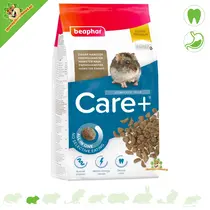
Complete dwarf hamster food with extruded all-in-one pellets. With animal protein, omega 3 & 6, FOS, MOS and 21% crude protein.
Read more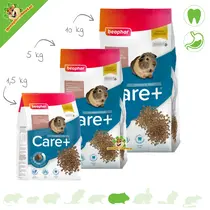
All-in-one extruded guinea pig food with vitamin C. Every kibble has the same composition, helps prevent selective eating, and is deliciously crunchy. Available in 1.5 kg, 5 kg, and 10 kg.
Read more- Voor 17 uur besteld, dezelfde dag verzonden!
- Specialist sinds 2011
- Delivery from our own stock

Complete hamster food with extruded all-in-one pellets. With animal protein, omega 3 & 6, FOS, MOS, and a hamster-specific composition.
Read more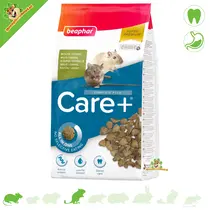
Complete mouse and gerbil food with extruded all-in-one pellets. With poultry, FOS, MOS, omega 3 & 6 and 17% crude protein.
Read more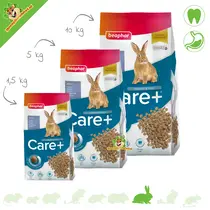
Complete rabbit food for adult rabbits with 25% crude fiber. All-in-one extruded pellet helps prevent selective eating and encourages chewing. With FOS & MOS, omega 3 & 6, and no colorings. Guideline: 20 g per kg per day, in addition to unlimited hay.
Read more
Beaphar Care+ Rat is a complete all-in-one rat food pellet (extruded) for pet rats and dwarf rats. Every pellet is the same, reducing the chance of selective eating. Contents 1.5
Read more- Voor 17 uur besteld, dezelfde dag verzonden!
- Specialist sinds 2011
- Delivery from our own stock
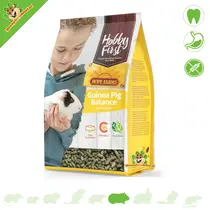
Complete, extruded all-in-one guinea pig food with alfalfa, grains, and seeds. Enriched with stable vitamin C (3500 mg/kg) and fiber for good digestion. Free from synthetic colors, fragrances, and flavors. Contents: 1.5 kg.
Read more
Complete food for adult guinea pigs with 63 plants & herbs from permanent grassland, a 3-fiber mix, and stabilized vitamin C. Contains quinoa, amaranth, aronia, maca, and mint, among others. High in fiber and practical as a daily base.
Read more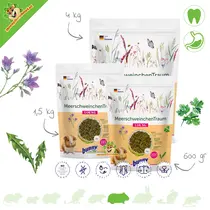
Nutritious junior guinea pig food with 63 natural plants and herbs, high-quality stabilized vitamin C, and an optimal calcium content for healthy, balanced growth.
Read more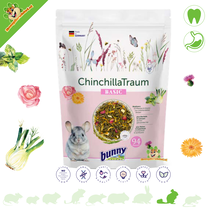
Complete chinchilla food with 63 plants & herbs and 3-fiber mix. High-fiber base for daily feeding; always combine with unlimited hay. Contents: 1.2 kg.
Read more- Voor 17 uur besteld, dezelfde dag verzonden!
- Specialist sinds 2011
- Delivery from our own stock
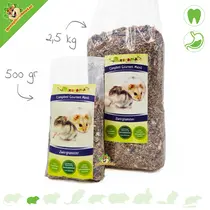
Campbell's Gourmet Menu is a complete pet food with a varied palette of herbs and seeds that encourages dwarf hamsters to engage with the food for extended periods. The composition of the food mix is also suitable for hybrids with diabetes. The mix contai
Read more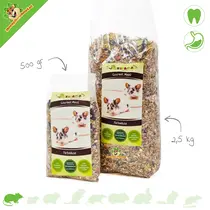
The Mixerama Gourmet Mouse Menu provides a nutritional foundation for colored mice and impresses with its variety of flowers and vegetables. This food was developed by users of the Color Mouse Info Forum and consists of 76% mealy seeds and grains, 10% oil
Read more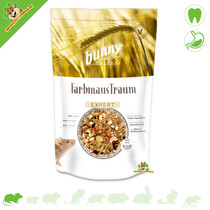
Complete mouse food without pellets or extrudates. Natural granivore mix with seeds, quinoa, amaranth, mealworms, and buffalo worms.
Read more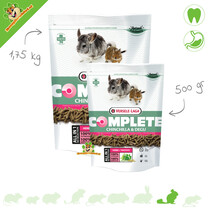
All-in-one pellet food for chinchillas and degus. No added sugars, with long fiber, flaxseed, FOS, and yucca.
Read more- Voor 17 uur besteld, dezelfde dag verzonden!
- Specialist sinds 2011
- Delivery from our own stock

Grain-free all-in-one rabbit food for adult dwarf rabbits and rabbits. With long fibers, timothy, carrot, and herbs. Helps limit selective eating.
Read more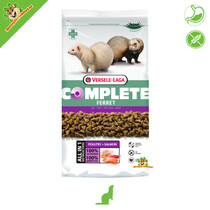
All-in-one ferret food for adult ferrets. Grain- and gluten-free, with animal proteins, chicken, turkey, duck, salmon, taurine, and yucca.
Read more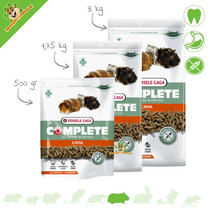
All-in-one guinea pig food that helps limit selective eating: every kibble has the same composition. With long fibers (including timothy 5.6%), stabilized vitamin C (1000 mg/kg), elderberry (4%), and herbs. Available in 1.75 kg and 3 kg.
Read more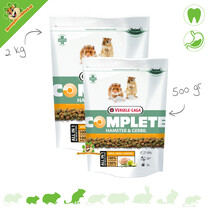
All-in-one pellet food for dwarf hamsters, hamsters, and gerbils. With chicken, grains, peas, apple, flaxseed, salmon oil, and yucca.
Read moreFood for rodents & rabbits – all types of food clearly presented
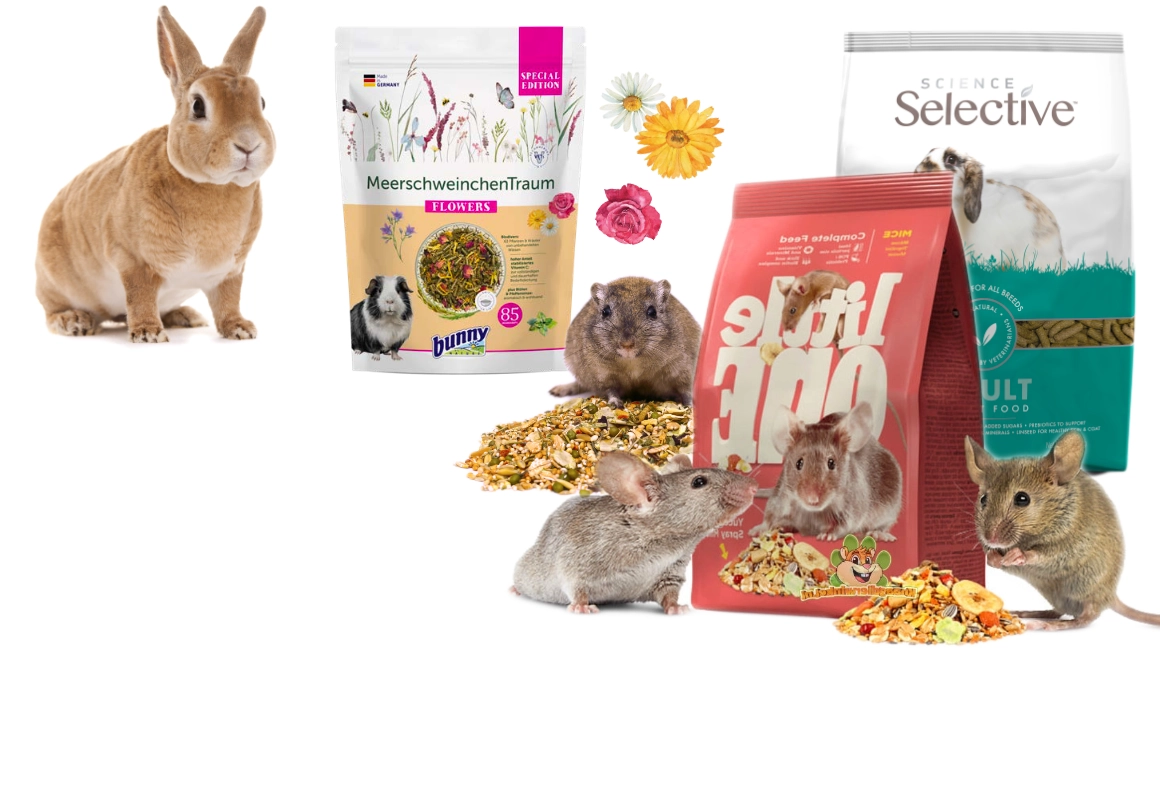 In this category, you'll find all rodent foods together: chunks, pellets, muesli/mixed food, and natural food – for mice, (dwarf) hamsters, gerbils, (dwarf) rats, guinea pigs, rabbits, chinchillas, and degus. Convenient if you want to compare, switch, or simply see what's available at a glance. You'll also find practical help with choosing: which type of food is right for your pet, how to prevent selective eating, and how to keep food fresh. Specialists since 2011, so you can choose with confidence and with help.
Chunks, pellets, muesli/mixed, and natural foods are listed here together. This makes comparing and choosing easier, especially if you're just starting out or want to switch.
Make food a search moment: scattering, hiding and foraging helps support natural behavior and makes feeding more fun.
Food thrives best in a well-furnished enclosure. Think of a calming substrate, gnawing material, and plenty of hiding places.
Choosing food: what should you pay attention to?
The basics are simple: choose food that suits your animal's species and eating habits. Some animals thrive on a consistent diet of pellets, while others benefit from more variety. When choosing, consider the following:
- Animal species – herbivore (plant eater) requires something different than omnivore/granivore.
- Eating behavior – being picky/figuring things out requires a different approach than just eating everything neatly.
- Life stage – young, adult and senior can have different needs.
Tip: Make feeding predictable and calm with fixed feeding places, and build up enrichment with safe materials from houses and tunnels .
What types of rodent food can you find here?
In this category you will roughly encounter these types:
- All-in-one chunk/pellet – every bite is comparable, often useful for selective eating.
- Mixed food/muesli – lots of variety, but be sure to “pick and choose”.
- Natural food – natural variation, popular with people who like enriching food.
- Specific variants – for example for juniors or special situations.
Want to reward and enrich your pet's diet in addition to the basics? Combine these with products from the food & snacks section .
Feed by animal species: quick selection guide
This page provides an overview of all food options. The best choice is made based on your animal species:
- Rabbits – food that is based on a high-fiber diet and a calm, consistent routine.
- Guinea pigs – choose food specifically formulated for guinea pigs and combine with suitable supplements.
- Chinchillas & degus – choose species-appropriate food and keep the menu clear.
- (Dwarf) hamsters & gerbils – a varied composition often works well, with food as enrichment.
- (Dwarf) rats & mice – choose by species and life stage; rats eat differently than mice.
Make the enclosure “food-proof” with safe gnawing options and distraction through gnawing material .
Preventing selective eating: here's how to tackle it practically
With mixed feedings, animals can sometimes choose the "favorites" first. This isn't necessarily a disaster, but it can create imbalances. This often helps:
- Work with a weighed portion and only refill when it is (almost) empty.
- Provide (part of) the portion as search food so that eating becomes more relaxed.
- For real “searchers” consider a (partial) base with all-in-one chunks/pellets .
For an extra challenge, combine with sand & sandboxes and foraging areas (dry and clean).
Fresh & storage: how to keep food fresh
Food stays freshest when stored dry, cool, and dark , and bags are sealed tightly. Our purchasing and storage policies consciously prioritize freshness, because quality and storage methods make all the difference in aroma, texture, and ease of use.
Also, ensure a well-equipped enclosure (less spills = easier to clean). Also check out rodent cages and enclosures for practical layouts.
Maintenance & hygiene
- Daily : Remove food scraps from damp areas and check drinking water.
- Weekly : clean feeding areas and bowls thoroughly (warm water, dry well).
- Store food in a sealed container and check occasionally for odor, moisture, and lumps.
Checklist: nutrition well arranged
Just run through this list:
✔ You choose food that suits your animal species and life stage
✔ You avoid having to "sort things out" with portions or a (partial) all-in-one base
✔ Food is stored dry/cool/dark and properly sealed
✔ Feeding is also enrichment (sprinkle/hiding/foraging)
✔ Feeding areas remain clean and tidy
Safety
- When changing food, it is best to switch gradually so that your animal can get used to it slowly.
- Store food dry and replace food that smells damp, is clumpy or no longer looks fresh.
- If you have any doubts about eating/drinking or if your pet exhibits clearly unusual behaviour, consult a veterinarian.
FAQ – frequently asked questions about rodent food
What is better: mixed feed or all-in-one pellets?
That depends on your pet. If your pet is a selective eater (cutting out favorites), an all-in-one diet is often more practical. If your pet eats everything thoroughly, a mixed diet can also be a good fit.
How do I know if my pet is “figuring it out”?
Do you mainly see certain pieces disappear, leaving the same thing behind? Then it helps to work with portions or use a (partially) uniform base.
How often should I feed?
This varies by animal species and type of feed. Check the product instructions and observe feeding behavior and body condition.
Where can I find enrichment related to feeding?
Check out Play & Forage for food puzzles and search moments.
Why buy food from DRD Rodent Shop®?
✔ Specialist since 2011
✔ Ordered before 5 PM = shipped the same day
✔ Delivered from our own stock
✔ Carefully selected range for your animal species