Polski

Bonding Guinea Pigs – Introducing & Keeping a New Guinea Pig Together
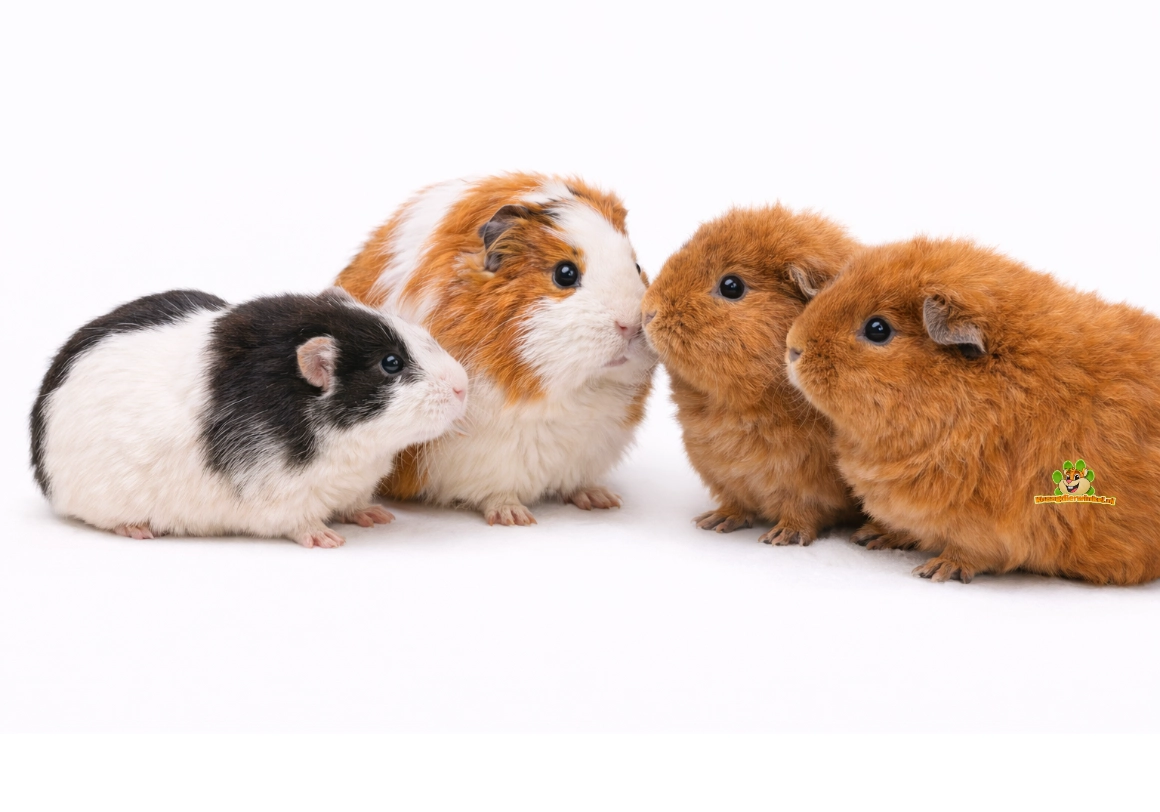 Guinea pigs are social animals and generally do best with others of their own kind. Introducing a new guinea pig does require some attention: thorough preparation, a smart first encounter, and then a group-friendly enclosure (multiple feeding stations and hiding places). This page provides a clear step-by-step plan.
1) Prepare
- Health check: if in doubt, consult a vet first, especially in case of itching, lethargy or abnormal stools.
- Gender & composition: many combinations are possible, but avoid unwanted litters.
- After castration: a castrated male can still be fertile for several weeks; therefore, keep it separated from sows for a while.
2) First meeting: neutral space
Use a spacious, neutral area (e.g., a floor run) with hay spread out. Provide at least two shelters with multiple entrances or open hiding places so no one gets trapped.
Useful: running & staying , tunnels , guinea pig hay .
3) Recognizing behavior: what is normal when pairing?
With a new combination, you often see some probing: following, "buzzing," short chases, and hierarchy behavior. This isn't automatically wrong. More importantly, is everyone calming down again, eating together, and is there room to move away?
- Repeated real attacks with bite wounds or blood.
- One animal no longer dares to eat or remains hidden continuously.
- The tension continues to increase instead of decreasing.
4) Furnishing accommodation for two or more
The design makes all the difference. Ensure:
- Multiple feeding stations: at least 2 mangers and 2 bowls for a duo.
- Multiple hiding places: better one extra than “just enough”.
- Walking routes: tunnels/bridges that continue through, no clamping corners.
Shop: hay racks , feeding bowls , houses , tunnels and guinea pig cages .
5) The first week: take it easy
- Keep to a routine: consistent feeding times, clean water, refill hay.
- Don't keep "pulling it apart and back in" when things get messy; observing is better than resetting.
- Check daily that everyone is eating, drinking, and having normal bowel movements.
- Healthy animals, if in doubt, check first.
- Neutral coupling area with hay spread out.
- Multiple hiding places (open/more exits).
- Then: arrange your stay in a “group-proof” manner.
- Double racks, bowls and drinking areas.
- Sufficient floor space.
- Daily observations: eating, drinking, droppings, rest periods.
- Do not pick up unnecessarily during the first few days.
- In case of real bite wounds: intervene and ask for advice.
- Questions? Use our service page.
Is chasing always bad?
Not necessarily. Probing and hierarchy behavior are common. The important thing is that the weather settles down and everyone can eat and rest.
What do I really need in a duo?
At least 2 hiding places (preferably 3), 2 mangers, 2 feeding bowls and sufficient floor space.
Where can I read more?
Also check out our other information pages via the guinea pig information hub.
Back to: guinea pig information .
Want us to help you? Visit our service page .