 Polski


Pairing guinea pigs – how to give a new combination the best start
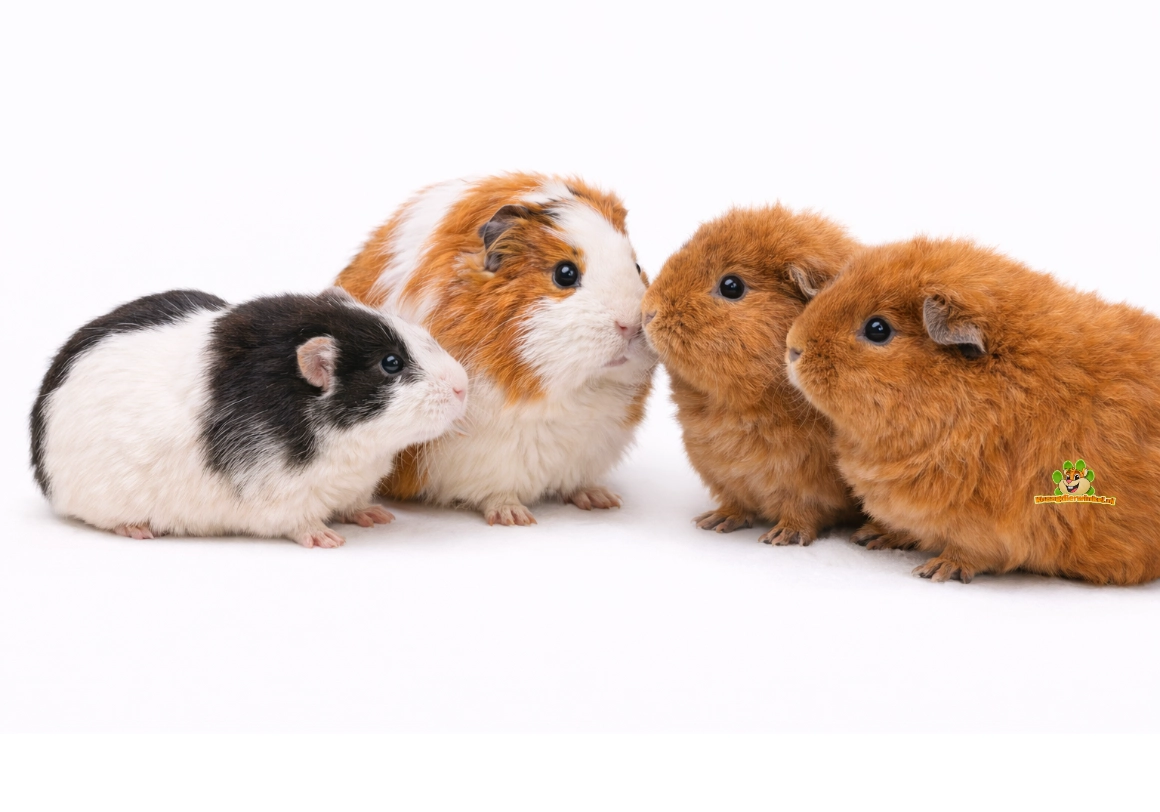 Guinea pigs are social animals, but that does not mean you should simply put two unknown guinea pigs together in one enclosure. A good pairing requires preparation, space, calm, and careful observation of behavior. Guinea pigs must be able to examine, follow, and avoid each other, and determine for themselves how much distance feels comfortable.
On this page, you will read how to pair guinea pigs, which combinations are often logical, how to prepare a bonding area, which signals might be normal, and when it is better to stop. In doing so, we look not only at the animals themselves but also at the enclosure: a spacious guinea pig cage , enough houses , open routes, hay, water sources, and hiding places make a big difference.
At DRD Knaagdierwinkel®, we view bonding as a combination of behavior and enclosure design. A bond is more likely to be peaceful when guinea pigs do not need to block each other, do not get stuck in a single house, and have multiple places to eat, hide, and retreat. This way, you help not only the introduction but also the group afterwards. Specialist since 2011.
Quick links:
Answer first | Combinations | Preparation | Step-by-step plan | Recognizing signals | After pairing | When to stop? | Checklist | FAQ
Answer first: how do you pair guinea pigs?
It is best to pair guinea pigs calmly, prepared, and in a spacious, neutral area. Do not immediately place unknown guinea pigs together in the existing enclosure of one of the animals. Provide hay, multiple open hiding places, enough space, and good observation.
✔ First choose a logical combination of animals.
✔ Use a spacious, neutral bonding area without the strong scent of a single guinea pig.
✔ Place multiple open shelters, tunnels, and hay piles.
✔ Look at behavior: sniffing, growling, following one another, and some tension can be part of it.
Stop in case of biting, injuries, panic, ball fighting, or persistent attacks.
Which guinea pig combinations often work best?
Not every combination is equally easy. Character, age, gender, health, previous experiences, and space all play a role. A good combination is not just “two guinea pigs together,” but two animals that give each other enough peace and space.
| Combination | Often practical? | What do you look out for? |
|---|---|---|
| Castrated boar + sow(s) | Often a logical combination | Pay attention to waiting time after castration, temperament, and sufficient space |
| Two sows | Can work well | Character remains important; provide multiple hiding places |
| Group of sows with a neutered boar | Can be stable with sufficient space | Multiple feeding, hay, and resting areas are important |
| Two little bears | It is possible, but requires extra space and quiet. | Avoid crowds, the smell of sows nearby, and narrow routes. |
| Several little bears together | Often more difficult | Only with plenty of space, experience, and well-matched animals |
Neutering prevents reproduction, but does not automatically make a male “easier” to handle. Character, space, and the other guinea pigs remain important. If in doubt regarding breeding combinations, neutering, or health, consult a veterinarian or an experienced rescue center.
Guinea pig language → | Guinea pig cage selection guide → | Guinea pig health →
Preparing to pair guinea pigs
Bonding begins before the animals meet. Ensure you have enough time, that the animals look healthy, and that the room is ready. Do not bond “quickly” right before you have to leave. The first period, in particular, requires attention.
✔ Choose a neutral space where none of the guinea pigs has a fixed territorial scent.
✔ Use a spacious, safe enclosure or run with sufficient floor space.
✔ Lay down a lot of hay in multiple places.
✔ Only place open houses, bridges, or tunnels with multiple exits.
✔ Place water and any food so that no animal can block access.
Clean the final enclosure beforehand and rearrange it so that it feels less like a single guinea pig's territory.
Guinea pig runs and enclosures → | Guinea pig houses → | Guinea pig tunnels → | Guinea pig hay →
Step-by-step plan: bonding guinea pigs
This step-by-step plan provides guidance for a calm bonding process. Always keep an eye on the animals themselves. No two bonding processes are exactly the same.
Step 1 – Prepare the neutral space
Provide a safe, spacious area with hay, open shelters, tunnels, and multiple escape routes. Do not use narrow shelters with only one entrance.
Step 2 – Place the guinea pigs in the room at the same time
Place them in the bonding area at the same time, not one animal first. This way, no one starts with a clear territorial advantage.
Step 3 – Observe without immediately steering
Sniffing, growling, following each other, excited movements, chattering teeth, or brief corrections may be part of establishing the relationship. Pay particular attention to whether the tension subsides again.
Step 4 – Provide rest, hay, and space
Hay helps to break the tension. Spread hay over multiple spots so that the animals can eat without having to gather at one point.
Step 5 – Only move to the permanent enclosure when it is quiet enough
Clean the permanent enclosure, rearrange it, and provide multiple routes, hiding places, hay areas, and water points. Do not return the animals to a small, crowded, or strong-smelling old enclosure.
Behavior during coupling: what is normal and what is not?
During the bonding process, guinea pigs try to figure out who the other is and how much distance feels comfortable. This can sometimes look tense. The difference lies mainly in recovery: does the tension subside, are they able to eat, and can they avoid each other? Then there is more room to observe. If it continues to escalate, you must intervene.
| Behavior | What could it mean? | What are you doing? |
|---|---|---|
| Sniffing and following | Getting acquainted and gathering information | Observe and give space |
| Humming or wiggling the butt | Tension, interest, or dominance behavior | Check if it decreases and if both animals can move aside. |
| Chattering teeth | Warning or rising voltage | Pay extra attention; ensure there is space and no obstructions. |
| Take a quick bite or correct | Setting boundaries | Only observe if it remains brief and does not escalate. |
| Biting, grabbing, ball fighting or blood | Serious escalation | Stop coupling and safely separate animals |
Recognizing guinea pig language → | Guinea pig playing and foraging →
After pairing: properly furnishing the permanent residence
Bonding does not stop as soon as the animals are in the enclosure together. The first few days afterward are particularly important. The enclosure must provide enough space to maintain calm. Clean the enclosure before putting the animals back together and change the layout so that it feels less like the old territory of a single guinea pig.
✔ Use multiple houses or tunnels with at least two exits.
✔ Create multiple haying areas or a spacious hay corner.
✔ Place the water and food so that no guinea pig can block everything.
✔ Keep open walkways clear.
Check extra carefully for food, drink, droppings, rest, and injuries during the first few days.
Guinea pig bedding → | Guinea pig hay racks → | Guinea pig drinking bottles and water bowls → | Guinea pig food bowls →
When do you stop a guinea pig bond?
A bonding process does not have to start quietly and amicably, but it must remain safe. Do not stop too soon at normal introduction behavior, but do intervene in the event of clear escalation. When intervening, use a towel or a sturdy piece of cardboard, for example, to safely separate the animals; do not use bare hands between fighting animals.
✔ Stop in case of bite wounds, blood, or biting.
✔ Stop when animals fight through space as a sphere.
✔ Stop when one guinea pig is continuously chased and cannot eat or rest.
✔ Stop if panic, exhaustion, or visible injury occurs.
Have injuries, lethargy, loss of appetite, or doubts after a fight assessed by a veterinarian.
Guinea pig health → | Guinea pig not eating → | Guinea pig transport box →
Common mistakes when bonding guinea pigs
Many connections become more difficult because the space or preparation is incorrect. These are pitfalls you would rather avoid:
✔ Place a new guinea pig directly into the other guinea pig's existing enclosure.
✔ Paired with animals that are too small, preventing them from avoiding each other.
✔ Use enclosed houses with a single entrance, as an animal can get trapped.
✔ Offer too few hay, feed, or water spots.
✔ Repeatedly put animals together briefly and separate them again, causing tension to start all over again.
Confusing normal tense behavior with fighting, or conversely continuing for too long during real escalation.
Smartly pairing guinea pigs with interior design
A successful bond requires an enclosure that cooperates. Opt for space, multiple hiding places, quiet walking routes, and scattered feeding spots. Prefer tunnels, bridges, and open houses over small, enclosed houses where an animal can block the entrance.
Hay also plays an important role. Eating hay can relieve tension and gives guinea pigs something calming to do. Therefore, place hay in multiple locations, especially during the first few days after bonding.
Guinea pig hay → | Guinea pig herbs → | Guinea pig play and foraging → | Guinea pig cage accessories →
DRD makes the choice: linking is behavior and space
At DRD, we view bonding not as a single isolated moment, but as a combination of suitable animals, accurately reading behavior, and an enclosure that supports group tranquility.
The power lies in preparation: enough space, multiple routes, open hiding places, hay in several spots, and continuously observing what the animals reveal.
Checklist – bonding guinea pigs
✔ Is the combination logical in terms of gender, age, character, and health?
✔ Is the coupling space neutral, spacious, and safe?
✔ Are there multiple hay racks, water points, and open shelters?
✔ Can the guinea pigs avoid each other without getting stuck?
✔ Has the permanent residence been cleaned and redecorated?
✔ Will you continue to observe closely during the first hours and days?
Do you know when to stop and when a veterinarian is needed?
Good to know
Bonding can be stressful, and not every combination works. Do you see injuries, panic, not eating, lethargy, or clear stress that does not subside? Stop the bonding and seek help from a veterinarian or experienced shelter.
Would you like to read up on general background information about guinea pigs? Then also check out the LICG guinea pig information at licg.nl.
FAQ – frequently asked questions about bonding guinea pigs
Can you just put two guinea pigs together?
No, do not simply put unknown guinea pigs into an existing enclosure. It is better to use a spacious, neutral bonding area with hay, open hiding places, and plenty of escape routes.
Which guinea pig combination often works well?
A neutered boar with one or more sows is often a logical combination. Two sows can also work well together. Two boars can live together, but require extra space, peace and quiet, and compatible temperaments.
Can you pair two little bears?
That is possible, but it requires careful preparation. Ensure plenty of space, multiple routes, multiple hiding places, and avoid extra tension, for example, caused by the scent of sows nearby.
Do you need to pair guinea pigs on neutral territory?
Yes, that is usually the most pleasant. A neutral space prevents one guinea pig from already seeing the area as its own enclosure and immediately perceiving the other as an intruder.
What is normal behavior during guinea pig bonding?
Sniffing, walking one behind the other, growling, some tension, chattering teeth, or brief corrections may occur. Pay particular attention to whether the tension subsides and whether both animals can eat and move aside.
When should you stop a guinea pig bond?
Stop in case of bite wounds, blood, latching, ball fighting, panic, exhaustion, or when one guinea pig is constantly being chased and cannot eat or rest.
Which housings do you use during a mating?
Use open houses, bridges, or tunnels with multiple exits. Avoid small, enclosed houses with a single entrance, as a guinea pig can get stuck inside.
Why is hay useful during a coupling?
Hay gives guinea pigs something calming to do and can break tension. Place hay in multiple spots so they don't all have to eat at one place.
Do you need to clean the enclosure after mating?
Yes, clean the permanent enclosure and rearrange it before putting the bonded guinea pigs back together. That way, it feels less like the territory of a single animal.
What do you combine with pairing guinea pigs?
Combine bonding with a spacious guinea pig cage or run, multiple houses, tunnels, hay, hay racks, water stations, food bowls, bedding, and close observation of behavior.
✔ Pairing guinea pigs with a step-by-step plan, combinations, signals, and practical enclosure tips
✔ Easy to combine with spacious enclosures, houses, tunnels, hay, and guinea pig language
✔ Specialist since 2011, delivered from our own stock
Ordered before 17:00, shipped the same day | Delivered from our own stock | Specialist since 2011
