 Polski

Seeds & Kernels for Rodents and Rabbits


- Voor 17 uur besteld, dezelfde dag verzonden!
- Rodent specialist since 2011
- Dispatched from our own stock

- Voor 17 uur besteld, dezelfde dag verzonden!
- Rodent specialist since 2011
- Dispatched from our own stock
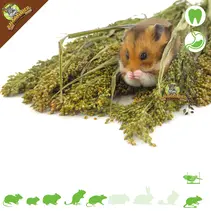
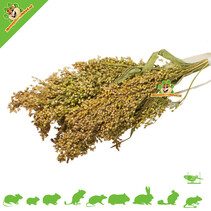
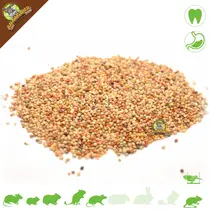
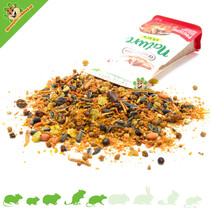
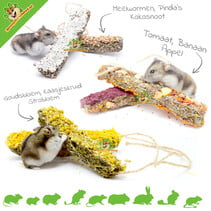
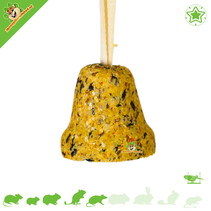

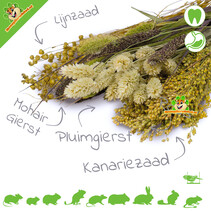
Seeds & kernels – foraging, rewarding and smart supplementation
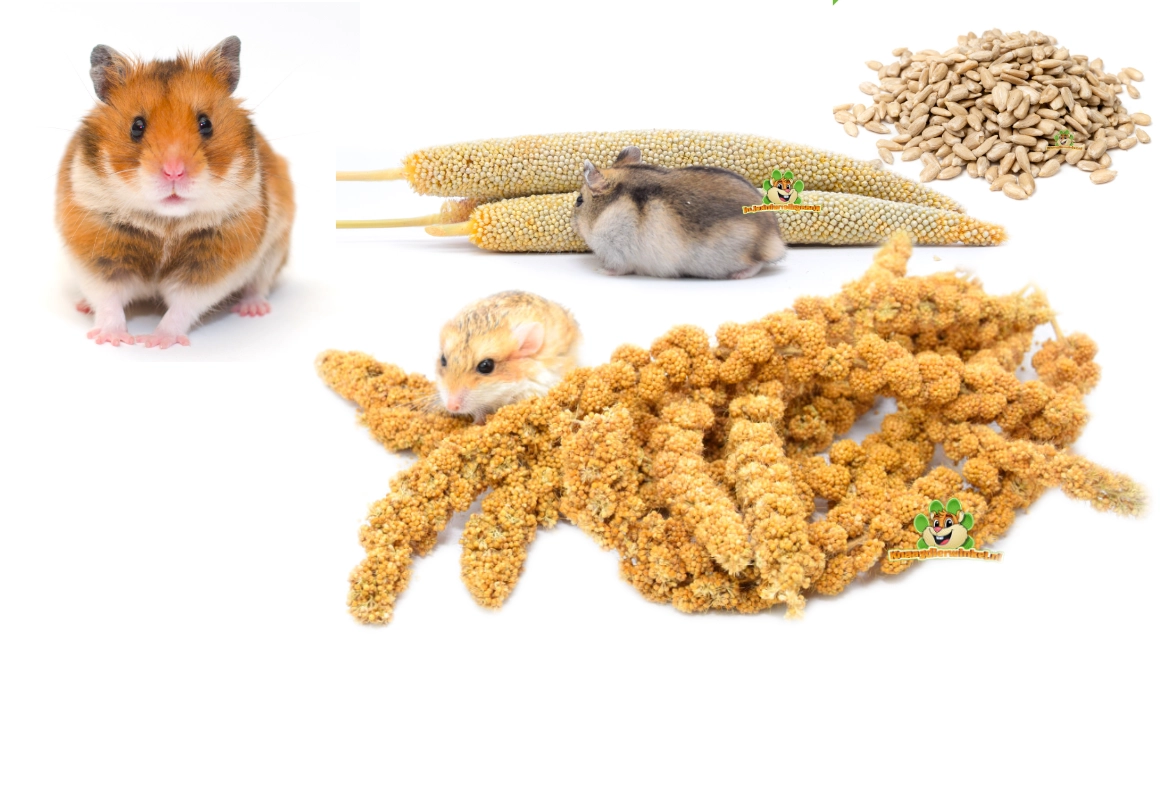 Seeds and kernels are small, fragrant, and perfect for foraging. For many rodents, they're also a natural source of energy. The right amount varies greatly by species: for herbivores, seeds are primarily a treat, while for many omnivores, they're a more regular part of the diet. In this category, you'll find a carefully curated selection of seeds and kernels, making it easier to choose what's right for your pet. Specialist since 2011.
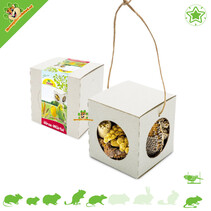
Sprinkle seeds in ground cover or hide them in a game: small "finds" encourage natural activity. For an extra challenge: interactive snacks .
Herbivores usually get seeds as a treat in small portions. Omnivores use seeds more often as a solid energy source. We'll make it practical in the decision-making guide below.
We select seeds and kernels that suit snacking and foraging moments, so you can supplement in a targeted manner without unnecessary additions.
Choose seeds in 30 seconds
Use this as a quick guideline:
- Herbivores (rabbits, guinea pigs, chinchillas, degus): choose small portions , possibly peeled , and use seeds mainly as a foraging reward.
- Omnivores (hamsters, gerbils, mice, rats): seeds and kernels often fit better into the daily menu, but here too, variation and dosage remain important.
Looking for more "green" snack options besides seeds? Then also check out our herbal snacks and dried vegetables .
Which animals are seeds and kernels suitable for?
Seeds and kernels aren't one size fits all. In practice, this usually works best:
- Rabbits & guinea pigs : mainly as a treat/foraging opportunity, in keeping with the overall menu (fiber remains the basis).
- Chinchillas & degus : generally more frugal with energy-rich extras; seeds are mainly a small reward here.
- Hamsters & gerbils : seeds are often part of their natural diet; ideal for scattering and letting them search for them.
- Rats & mice : seeds are useful as a reward, in foraging games or as part of a variety.
Which seeds & kernels can you find in this category?
Here you will find popular options such as:
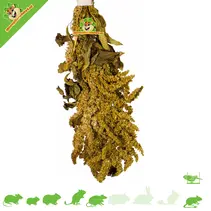
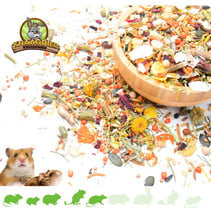
- Sunflower seeds (shelled and/or unshelled) – loved by many rodents, easy to portion.
- Pumpkin seeds – firm seed, nice for a change.
- Hemp seed – small and ideal for scattering as a foraging reward.
- Flaxseed, chia, and sesame – small seeds that you can easily mix into a forage mix.
- Other seeds/kernels – depending on the range (season, batches, brands).
How do you feed seeds & kernels?
- Scattering & Searching – Scatter a small amount through ground cover or over a foraging area.
- Snack board/snuffle mat – ideal for training, taming and “little moments of success”.
- Mix – combine with herbs or vegetables for a varied forage mix.
Tip: It's better to work with small portions and give "little things" more often than "a lot" occasionally. This keeps things fun and manageable.
Handy combination within Snacks
Seeds and kernels combine well with:
- Dried vegetables – a “savory” variation.
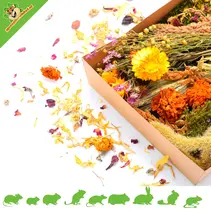
- Herbal snacks – fragrance & enrichment.
- Grain-free snacks – often popular with herbivores.
- Animal proteins – especially relevant for omnivores (as an extra, in line with the menu).
Want to see all snack categories? Go to Snacks .
Save
- Store seeds and kernels in a dry , cool and well sealed place.
- Preferably use a clean scoop/spoon to maintain freshness.
- Clean foraging areas regularly to remove scraps.
Checklist: using seeds and kernels wisely
Just a quick check:
✔ You choose based on animal species (herbivore vs. omnivore)
✔ You work with small portions and keep snack moments manageable
✔ You use seeds mainly for foraging/enrichment
✔ You combine snacks with dried vegetables and herbs
✔ You keep everything dry and clean up leftovers
Safety warnings
- Seeds and kernels are energy-rich . Provide them as a treat and adjust the amount to your pet's needs.
- For herbivores: seeds are not a staple food. A fiber-rich diet remains the starting point.
- Introduce new treats gradually. If stool, appetite, or behavior changes, temporarily discontinue extra treats and consult a veterinarian if in doubt.
- Preferably use seeds as a foraging reward rather than offering them “freely as is.”
FAQ – frequently asked questions about seeds & kernels
Are seeds and kernels suitable for rabbits and guinea pigs?
Yes, usually as a small treat. Use them primarily for foraging and keep the total snack portion balanced.
Why are seeds more important for hamsters and gerbils?
Many omnivorous rodents naturally include seeds in their diet. Seeds are a logical energy source and ideal for foraging.
Can I mix seeds with other snacks?
Definitely. Consider dried vegetable and herb snacks for a varied forage mix.
What's the best way to donate seeds?
Sprinkle them through bedding, put them in a sniffing mat, or use a foraging toy. This instantly turns snacking into an activity.
Why buy seeds and kernels from DRD Rodent Shop®?
✔ Specialist since 2011
✔ Ordered before 5 PM = shipped the same day
✔ Delivered from our own stock
✔ Selection aid: suitable for animal species and snack routine
