Polski

Giant Egyptian Running Mouse (Gerbillus pyramidum) as a Pet
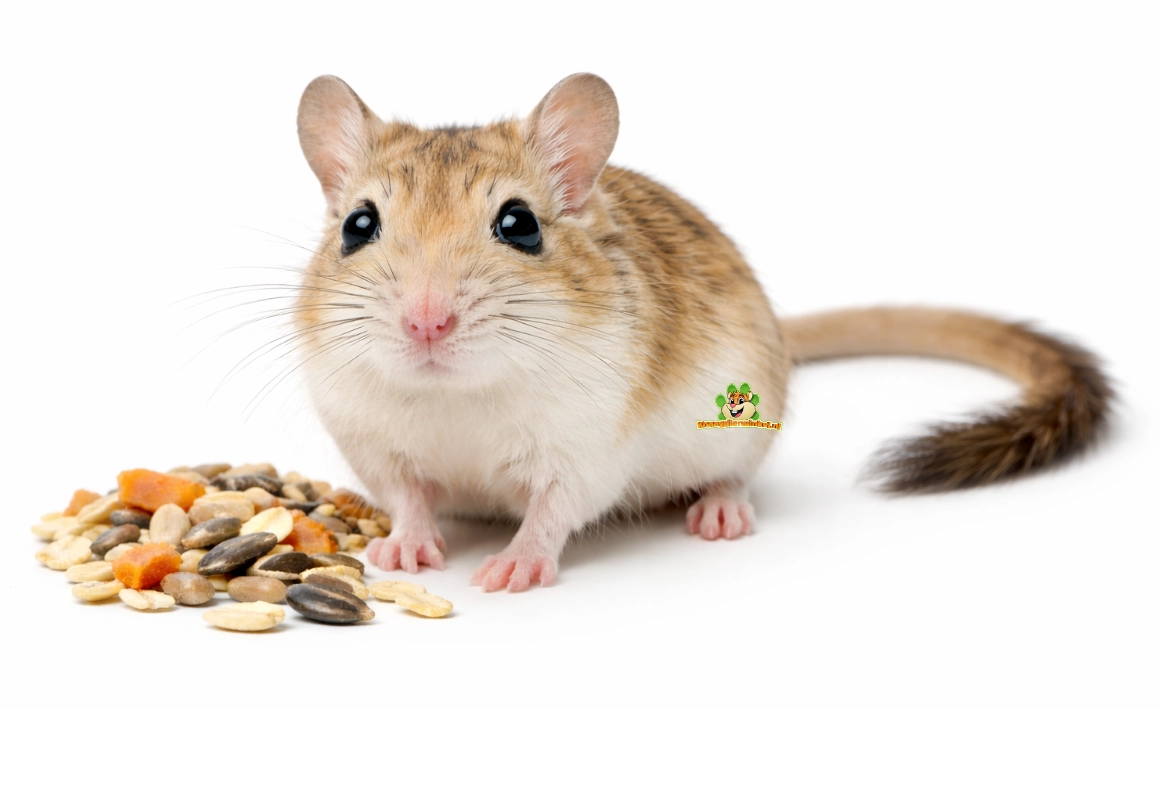 The Giant Egyptian Mouse (Gerbillus pyramidum) is a desert dweller with an active, alert nature. This animal is primarily kept as a spectator : digging, foraging, sand bathing, and patrolling its enclosure are typical behaviors. This species is classified as a pet, meaning it may be kept as a pet. DRD Rodent Shop® has been a specialist since 2011 and is happy to help you find an enclosure that meets your needs in terms of setup, safety, and maintenance.
Directly to the Mouse shop:Mouse (all) · Mouse cages & enclosures · Mouse bedding · Mouse food
Character & activity
Giant Egyptian mice are often active at dusk and in the evening. They can be startled by crowds and "hands from above." With a quiet spot in the house, a regular routine, and plenty of hiding places, they generally relax and become visible more quickly.
Keep together
Group tranquility is created by space, clarity, and choice: multiple entrances, multiple hiding places, and at least two food and water points. Preferably keep animals that have grown up together and seek advice on a suitable composition to prevent tensions and unwanted litters.
Accommodation (ground surface) & furnishings
Preferably choose a terrarium/glass tank or enclosure that allows for deep substrate. Surface area is more important than height. Additional tip: a well-organized setup with fixed routes (tunnels, houses, platforms placed low) often provides more tranquility than a busy "climbing park." Also see: Terrarium (glass) for rodents .
Digging bottom & sand bath
A good digging surface is dust-free , sturdy , and contains structure (e.g., hay/straw) to help tunnels stay upright. Place heavy items on the surface and cover them with bedding. A sand bath is a good, permanent place to roll and groom. Helpful overview: Sandboxes for rodents .
Food & snacks
The foundation is a complete diet, supplemented with small amounts of herbs/greens and appropriate snacks. Make it fun by partially hiding food (foraging) and alternate with gnawing materials to keep them occupied.
Checklist Giant Egyptian Mouse (fast, good basic)
- ✓ Spacious enclosure with plenty of floor surface and escape-proof lid.
- ✓ Deep, tunnel-resistant excavation floor + multiple hiding routes and entrances.
- ✓ Sand bath zone and daily enrichment (foraging/gnawing material).
- ✓ At least two food/water points and several shelters for group rest.
- ✓ Spot clean wet areas; refresh in sections, not all at once.
Maintenance & hygiene
Keep the enclosure fresh by removing wet spots and leftover food daily. Periodically refresh some of the bedding and leave a portion familiar, which promotes a peaceful environment. Also regularly check the edges and lid for gnaw marks and seals.
Useful shopping links (Mouse)
Accommodation: Mouse cages & enclosures · Terrarium (glass)
Ground & Nest: Ground Covering · Nesting Material
Furnishings: Houses · Tunnels · Rodent materials · Play & forage
Food: Mouse food · Hay, herbs & seeds · Snacks
FAQ – Giant Egyptian Mouse
Is this a suitable animal for children?
Primarily as a sight animal. Because of their speed and alertness, approaching them calmly is important; observing them often works better than handling them frequently.
Do they really need a sand bath?
Many mouse-like species like to use a sand bath as a permanent "rolling spot" and activity. Always choose a suitable sandbox and suitable sand.
Where can I go with questions about furnishings or choices?
Start withMouse (all) and combine habitat + substrate + decor + food. For assistance: customer service .
✓ Clear basis: accommodation, substrate, sand bath and enrichment
✓ Shop links to the mouse categories for quick selection
✓ Specialist since 2011: practical and species-specific advice