Polski

Sugar Glider Hammocks – Sleeping Bags, Hammocks & Resting Places for Sugar Glider Squirrels



- Voor 17 uur besteld, dezelfde dag verzonden!
- Specialist sinds 2011
- Delivery from our own stock






- Voor 17 uur besteld, dezelfde dag verzonden!
- Specialist sinds 2011
- Delivery from our own stock



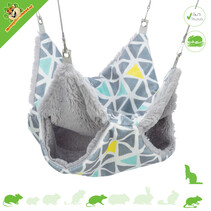
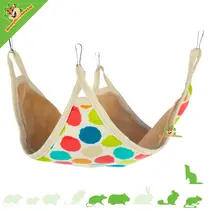

Sugar Glider hammocks – rest areas, sleeping bags & safe cage equipment
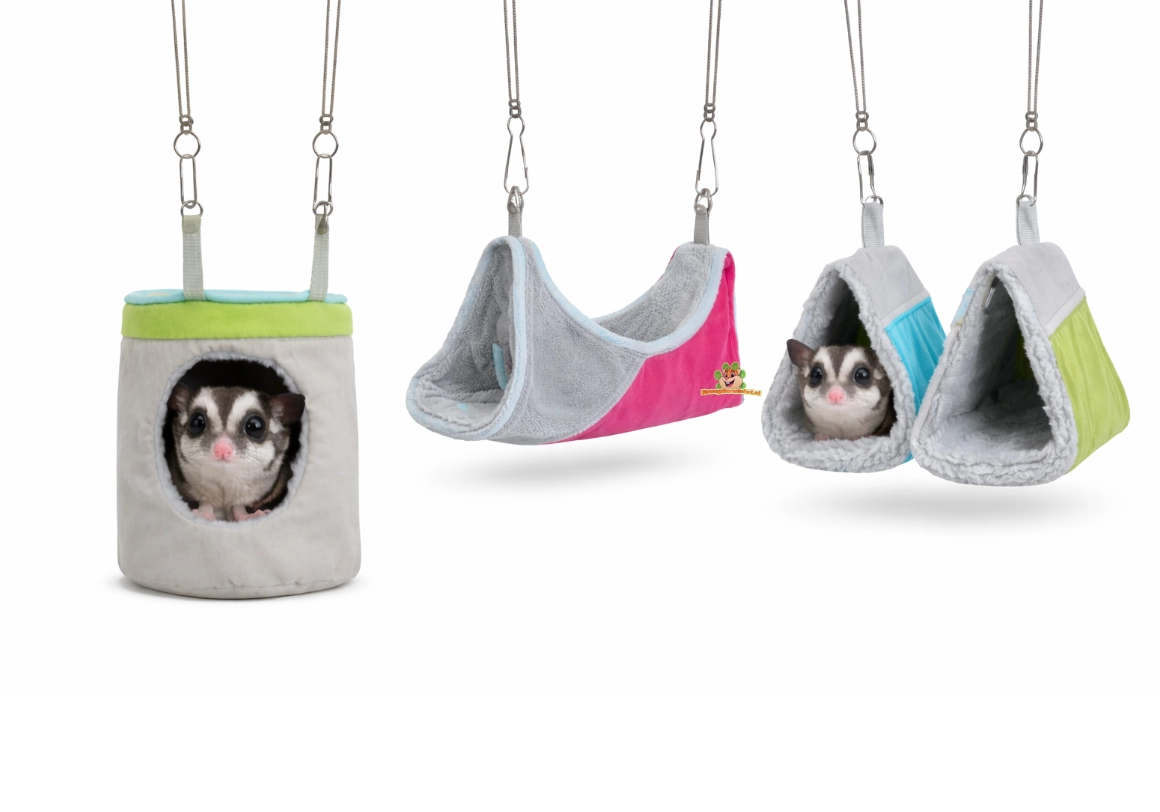 Sugar Gliders prefer sheltered sleeping areas during the day, often together . A good hammock or sleeping bag isn't just an extra, but an essential part of a comfortable cage layout. Multiple resting areas create a calm environment within the group, reduce the hassle of chasing one favorite spot, and foster a consistent daily routine. In this category, you'll find hammocks and sleeping areas suitable for Sugar Gliders. Below, you'll find information on what to consider regarding size, attachment, safety, and maintenance. DRD Rodent Shop® has been a specialist since 2011 and is happy to help you make practical, responsible choices.
Direct to: Sugar Glider · Cage furnishings · Hammocks · Hanging toys
Quick to:
Hammock Checklist (Quick Basics)
- ✓ Hang up several resting places (especially with 2+ animals) so that there is a choice.
- ✓ Choose a stable mounting and check for wear and fraying weekly.
- ✓ Place rest areas high and sheltered (less stress, better daily rhythm).
- ✓ Work with rotation : 1 set in the cage, 1 set clean/stock.
- ✓ Combine rest areas with “routes” (rope/branch/platform) so they can easily move to them.
✓ Peace & structure
A comfortable sleeping place helps with daytime rest and evening activity. This also makes care easier.
✓ Less competition
Multiple hammocks prevent one spot from becoming "the only one." This often immediately creates more peace and quiet.
✓ Practically clean
With a spare set, you can quickly change things up. Hygienic and without having to rebuild the entire cage.
Selection aid: size, type & placement
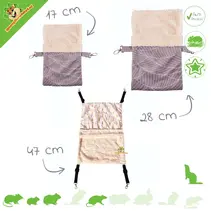
Sugar gliders like to sleep close together. Therefore, it's best to choose a spacious model or multiple resting places so they have a choice. In practice, these types work best:
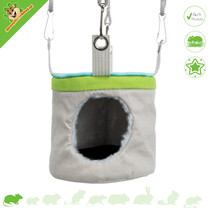
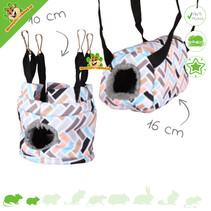
- Sleeping bags/pouches : extra sheltered, ideal as a solid “sleeping core”.
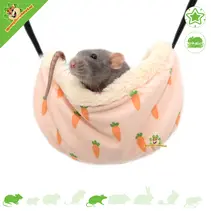
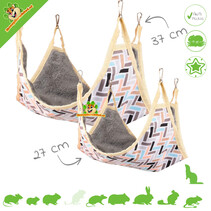
- Hammocks : open or semi-open, nice as an extra resting place or "stopover" on the route.
- Double/multi-tiered models : useful for multiple animals; offers choice without losing extra space.
Ideally, place hammocks high up (a resting zone) and create space below for feeding/foraging. This will naturally create a logical layout.
Safety & confirmation (practical)
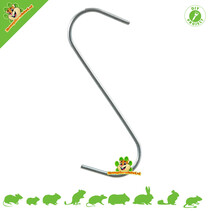
- ✓ Check hooks/eyes and mounting points weekly (loose, bent or worn = replace).
- ✓ Watch out for fraying and loose threads . With textiles, even a little bit of damage is a reason to replace them.
- ✓ Hammocks must hang stably : not swinging at one point, but evenly distributed.
- ✓ Create a safe approach route with a rope/branch/platform so they don't have to jump to an unstable spot.
Maintenance & washing
- ✓ Work with two sets : one in use, one clean/on hand.
- ✓ Wash according to the material advice (mild detergent, rinse well, dry completely).
- ✓ Replace hammocks if they have persistent odors, fraying, or loose attachment points.
Smart combination: hammocks + routes + enrichment
Hammocks work best as part of a route: resting areas at the top, waypoints in the middle, and activity at the bottom. Therefore, combine them with platforms/ladders and hanging toys , and offer foraging opportunities in different zones.
Handy to take with you: Platforms & ladders · Hanging toys · Playing & foraging · Cages & enclosures
Relevant categories (shop)
Additional useful items: Food & snacks · Bedding & nesting material · Transport boxes
FAQ – Sugar Glider hammocks
How many hammocks do I need?
It's best to plan generously: at least one comfortable main sleeping spot (sleeping bag/pouch) and one or more additional resting spots. With multiple animals, "more choices" usually work better than one perfect spot.
Where is the best place to hang the hammock?
High and sheltered, with a stable approach path. Combine with platforms/ladders or a sturdy branch/rope bridge.
How often should I wash hammocks?
That depends on use and food. A spare set makes it easy to change. Check weekly and wash when visibly dirty or as needed for freshness and hygiene.
Tip: Want to organize the entire enclosure logically? Always combine hammocks with a suitable cage and routes. Start with cages and enclosures and continue with the cage layout .
✓ Resting places suitable for nocturnal, social animals
✓ Selection aid for size, placement and maintenance
✓ Specialist selection assistance since 2011