Polski

Hamster bedding selection guide – diggable, dust-free & tunnel-proof (dwarf hamster & golden hamster)
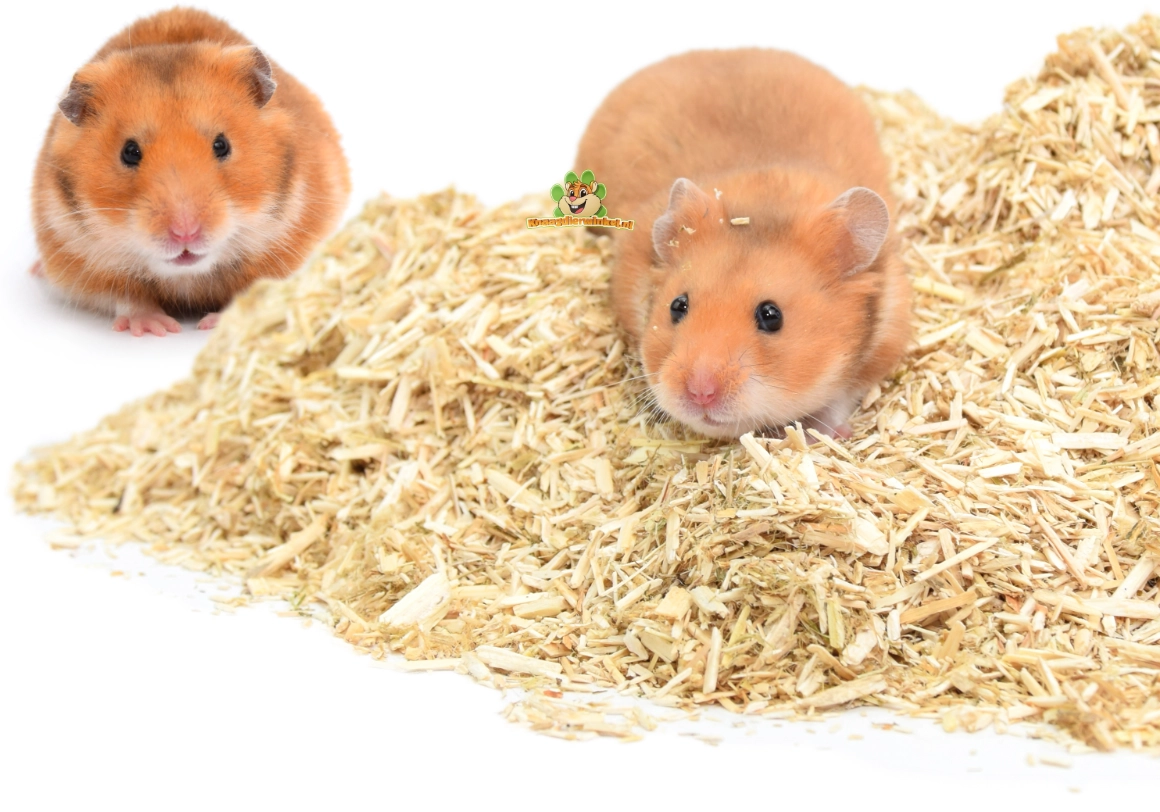 Good bedding is the foundation of a hamster enclosure. Hamsters are natural burrowers: they create tunnels and "chambers" underground and use them for sleeping and storage. Therefore, you want a bedding that is dust-reducing, highly absorbent, and, above all, doesn't create tunnels.
This is an information page/selection guide. Want to shop now? Go to Hamster Bedding . Need help? You can reach us via the service page .
DRD Rodent Shop® has been a specialist since 2011: we select ground covers based on safety, practicality, and natural behavior.
Quickly to
- Why ground cover is so important
- What to look for: dust-free, absorbent & tunnel-proof
- Types of ground cover: paper, wood fiber, hemp, flax, cotton fiber
- How deep to fill? (excavation layer & zones)
- Mixing as a pro tip: 3 practical “recipes”
- Sand bath zone: sand, but not as the main bottom
- Nesting material: what is safe?
- Maintenance & cleaning without stress
- Checklist
- FAQ
✓ Excavable
Choose substrate that your hamster can actually make tunnels in and that won't collapse immediately.
✓ Dust-free
Low-dust and highly absorbent, it helps maintain a comfortable stay and is good for the respiratory tract.
✓ Tunnel-proof
With a smart mix (and sufficient depth) you can create a stable excavation layer that will “remain in place”.
1) Why ground cover is so important
Bedding does three things at once: it provides a burrowing environment , absorbs moisture, and creates a sense of calm by allowing your hamster to retreat to a sheltered underworld. Suitable bedding for hamsters includes materials based on corn, wood pulp/cardboard, hemp, and (cotton) fibers; it's important that it's dust-free and supports burrowing.
Tip: Think in "zones": a deep digging zone, a sturdy walking/feeding zone, and a fixed spot for the sand bath. This makes the enclosure organized and safe.
2) What to look for: dust-free, absorbent & tunnel-proof
- Low-dust: choose a ground cover that produces as little dust as possible.
- Absorbent: helps bind wet spots and keeps the room fresher.
- Structure/tunneling strength: fibrous or “hook” structures hold together better than very loose flakes.
- Not too fragrant: Strongly scented bases are usually unnecessary.
- Wood shavings? They are possible, but there are indications that softwood shavings can be less pleasant; it's best to choose safe, low-dust varieties (preferably hardwood fiber).
3) Types of substrate: which one suits your hamster?
Below are the most commonly used bedding materials, with practical "when to choose what" tips. With long-haired hamsters, be extra careful that the bedding doesn't get too stuck in their fur.
Paper & cardboard
- Often very low in dust and soft
- Handy for creating volume
- Combines well with a “tunnel builder” (fiber/wood fiber/hay)
Shop: Hamster Bedding
Wood fiber (preferably hardwood)
- Good basis for graph structure
- Mixes nicely with hay for extra strength
- Pay attention to dust level and wood type
Pro tip: Mixing a handful of hay with wood fibre often makes the layer more stable.
Hemp & flax
- Absorbent, natural
- Great as part of a mix
- Can be combined well with paper/cardboard
Mixing tip: paper (volume) + hemp/flax (structure) = often a nice combination.
Cotton (seed) fiber ground cover
- Fibrous, often useful for supporting tunnels
- Please note: this is different from “hamster cotton wool” (see nesting material)
- Can work very nicely in hamster scaping mixes
See also: Hamsterscaping
4) How deep should you fill? (excavation layer & zones)
Digging layer guideline
- Dwarf hamster: at least 20 cm
- Golden hamster (Syrian): at least 30 cm
- Deeper = better , as long as heavy objects are placed safely (see safety tip below).
Smart: make one side extra deep (digging zone) and the other side more compact (walking/feeding zone). This keeps everything organized.
Important for deep substrates: place heavy items (house, stone, large wheel) stably on a solid surface or sturdy platform, so that your hamster cannot dig itself under something heavy.
5) Mixing as a pro tip: 3 practical “recipes” for tunnel stability
Many hamsters dig better when the substrate isn't just "loose sand," but has some structure. Mixing helps enormously.
- Base + tunnel builder: paper/cardboard (volume) + wood fibre (structure) + a little bit of hay (strength).
- Comfort mix: paper base + hemp or flax for extra grip and absorption.
- Scaping mix: combine fibrous ground cover (cottonseed fibre/fibre mix) with wood fibre or paper for height differences.
Shop directly by component: ground cover , nesting material , sand & sand bath .
6) Sand bath zone: sand, but not as the main bottom
Sand is ideal as a separate zone (sand bath), but usually not intended as a complete substrate. It's better to give your hamster a stable digging layer and a permanent sand bathing area.
View everything for the sand bath here: Hamster sand & sand bath .
7) Nesting material: what is safe?
Nesting material is not the same as bedding. Nesting material is meant to build a warm, soft nest. Suitable options include hay and soft paper (e.g., unscented toilet paper/tissue). Avoid synthetic or "cotton-like" materials that can tangle or cause problems.
Shop safe options: Hamster nesting material .
8) Maintenance & cleaning without stress
Quiet routine
- Spot clean: remove wet spots and refill (preferably with the same substrate).
- Sand bath: sieve or refresh partially when necessary.
- Not all at once: always leave some of the “familiar scent” to limit stress.
Useful products: cleaning products .
9) Checklist: choose your ground cover correctly in 1 minute
- Low dust: yes/no
- Digging: Can your hamster make tunnels?
- Tunnel-proof: will it remain standing or will it collapse immediately?
- Depth: minimum 20 cm (dwarf hamster) / 30 cm (golden hamster)
- Zones: deep digging zone + sand bath zone + walking/feeding zone
- Nesting material safe: paper/hay (no "cotton wool")
10) Frequently Asked Questions
My hamster doesn't dig, why is that?
Often, the layer is too thin, too loose, or your hamster doesn't feel safe enough (not enough hiding places). Try more depth, a more stable mix, and add an extra house/tunnel.
Can I use just one type of ground cover?
That's possible, but a mix is often more stable and easier to dig in. A combination of volume and structure usually works best.
Is sand suitable as a complete ground cover?
Sand is primarily intended as a separate sand bathing zone. As a main substrate, it's usually less practical and less "tunnel-friendly."
What is the difference between ground cover and nesting material?
Bedding provides the base layer for absorption and digging. Nesting material is used to build a warm sleeping nest (e.g., paper/hay).
Shop for the right parts (useful when furnishing)
- Hamster cages
- Hamster bedding
- Hamster nesting material
- Hamster sand & sand bath
- Hamster houses
- Hamster exercise wheels
- Playing & foraging
- Hamster gnawing material
- Hamsterscaping
✓ Specialist since 2011 | ✓ Selected for safety & well-being | ✓ Practical selection aid
Want to set up your hamster enclosure properly the first time? Start with the right hamster cage and then add bedding , nesting material , and a permanent sand bath area .