Polski

Guinea Pig Pellets – Herb Pellets & Vegetable Pellets for Rewarding and Foraging

- Voor 17 uur besteld, dezelfde dag verzonden!
- Specialist sinds 2011
- Delivery from our own stock
- Voor 17 uur besteld, dezelfde dag verzonden!
- Specialist sinds 2011
- Delivery from our own stock
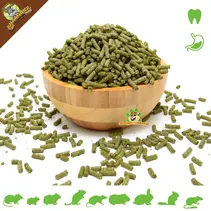
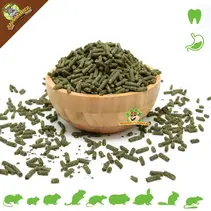
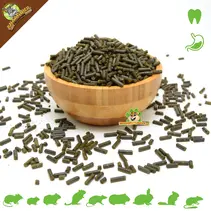
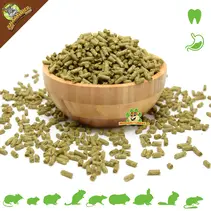
Guinea pig pellets – herb & vegetable pellets for rewarding, enrichment and foraging
Pellets are ideal if you want to give your guinea pigs a little extra variety and challenge without immediately switching to a completely different food. In this category, you'll find primarily herb pellets and vegetable pellets (and a few fruit varieties): compact, easy to measure, and perfect for scattering, hiding, or using in foraging . Handy for structured "snack moments" that keep your guinea pigs actively searching and nibbling. Specialists since 2011, so you can choose with confidence and with clear decision-making guidance.
Pellets are ideal as a small reward or to scatter for extra activity. Combine them with play and foraging for real search moments.
Choose a single dish (e.g., nettle or carrot) or a mix (a herb/vegetable mix). This way, you can easily vary the ingredients without it becoming a "candy jar."
Pellets are a bonus . The foundation remains hay and appropriate guinea pig food . This keeps your feeding routine logical and consistent.
Which guinea pig pellets are right for your animals?
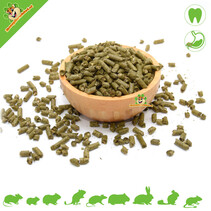
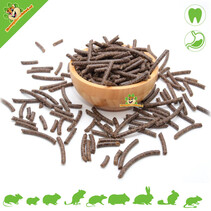
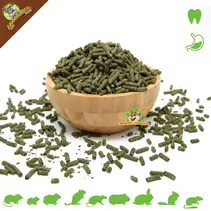
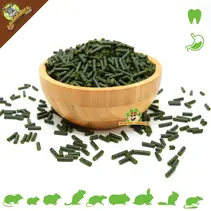
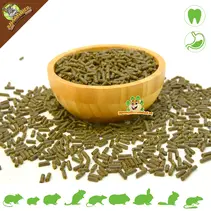
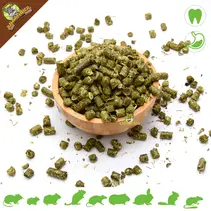
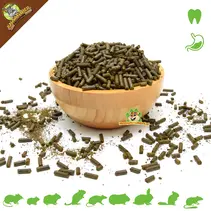
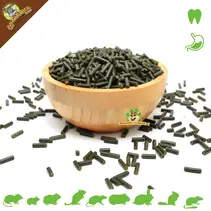
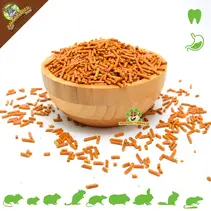
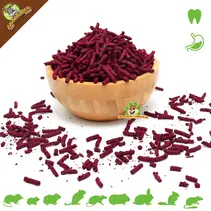
On this page you will find many types of pellets: from herb pellets (such as nettle, plantain, thyme, or mint) to vegetable pellets (such as carrot, beetroot, bell pepper, or tomato) and some mixes. :contentReference[oaicite:1]{index=1} Choose based on your goal:
- Reward : Smaller pellets or “bits” are ideal per moment.
- Foraging : pellets that you can easily hide or scatter through a “sniffing zone”.
- Variety : alternate between single and mixed to keep things interesting.
Herb pellets: handy for variety without hassle
Herb pellets are practical if you enjoy the aroma and flavor of herbs but prefer something less messy than loose leaves. Many owners use them as a "mini-reward" or as part of a daily enrichment routine. Want to offer loose herbs as well? Then check out guinea pig herbs or fresh guinea pig herbs .
Vegetable & fruit pellets: tasty, but feed with care
Vegetable pellets are popular because your guinea pigs are often immediately interested. Fruit pellets are usually "extra tasty" and therefore especially suitable for rewarding. Tip: keep fruit pellets small and alternate with herbs/vegetables to keep your snacking balanced.
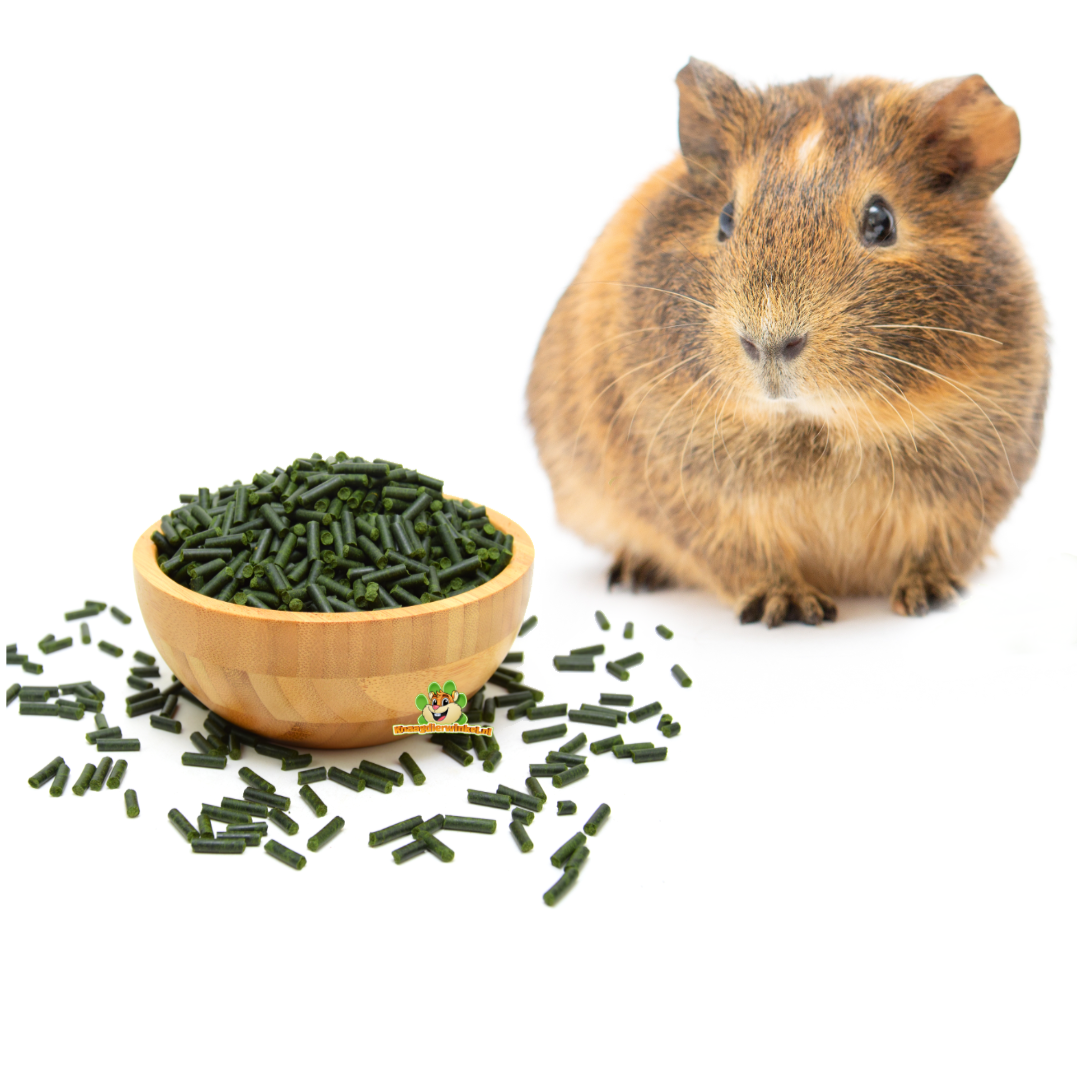
Foraging & rewarding: how to make pellets really fun
Pellets are perfect for turning "giving" into a game of search . This is not only fun to watch but also keeps your guinea pigs occupied. Try these simple ideas:
- Scatter in a fixed sniffing area (e.g. on a mat or in a corner with ground cover).
- Hide in a foraging toy or among hay.
- Reward during contact moments (small and consistent).
For suitable resources and “search products” go to guinea pig play & foraging and for more tasty treats go to guinea pig snacks .
Important: Pellets are a treat, not a basic diet.
No matter how "natural" a pellet feels, it's meant to be a supplement . For a strong foundation, always ensure hay is available and choose appropriate guinea pig food . Want to avoid "selective eating"? Then all-in-one chunks and pellets are usually the most logical approach.
Maintenance & hygiene
- Keep the food bowl clean : pellets sometimes crumble. Clean food bowls regularly: guinea pig food bowls .
- Leftovers : Remove old/damp pellets (especially if they end up in bedding).
- Storage : Close the packaging well and store in a dry and cool place to preserve the aroma and taste.
- For a fresh routine you will find useful products at guinea pig cleaning products .
Checklist: using guinea pig pellets wisely
How to keep pellets fun and balanced:
✔ Pellets are extra (base remains hay + guinea pig food)
✔ You mainly choose herbs/vegetables and keep fruit small in quantity
✔ You use pellets for foraging : playing & foraging
✔ You work with a fixed reward routine (small and consistent)
✔ Feeding area/feeding bowl remains clean: feeding bowls
✔ You combine with basic products: hay & guinea pig food
Safety warnings
- Pellets are intended as a supplement . Feed them sparingly and make the base a mix of hay and appropriate guinea pig food.
- Always check the ingredients and choose what suits your animals (especially when mixing).
- If pellets become damp (from water, vegetables, or bedding), remove them to prevent quality loss.
- Have you noticed your guinea pig suddenly eating significantly less or reacting differently to food? If in doubt, contact a veterinarian.
FAQ – frequently asked questions about guinea pig pellets
What is the difference between herb pellets and vegetable pellets?
Herbal pellets often focus on aroma/flavor and are convenient as a "herbal treat" without loose leaves. Vegetable pellets tend to have a firmer flavor and are often used as a reward or foraging snack.
How often can I give pellets?
Think of pellets as a treat. It's best to give small amounts and use them wisely (reward/foraging) rather than a large portion at once.
Can I sprinkle pellets throughout the enclosure?
Yes, that's actually one of the most fun uses. Combine it with playing and foraging , and remove scraps when they get wet.
Why do I see other “pellet”-like products in this category?
This category contains several varieties, including pellets/bits from Rodent Grocer and JR Farm, among others. :contentReference[oaicite:2]{index=2}
What is the best combination with pellets?
For a logical overall picture: hay and appropriate guinea pig food as the basis, and pellets as a reward. For additional variety, you can also look at herbs and snacks .
Why buy guinea pig pellets from DRD Rodent Shop®?
✔ Specialist since 2011
✔ Ordered before 5 PM = shipped the same day
✔ Delivered from our own stock
✔ Wide range of pellets: single, vegetables, herbs and mixes (including Rodent Grocer / JR Farm) :contentReference[oaicite:3]{index=3}