Polski

Hay and hay racks for rodents and rabbits




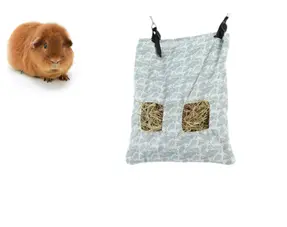
Hay and hay racks for rodents and rabbits
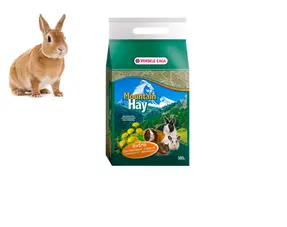
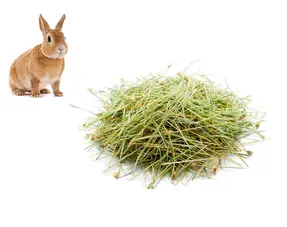
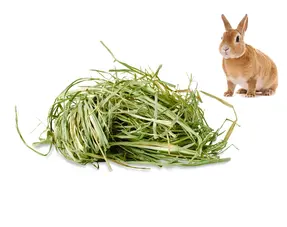
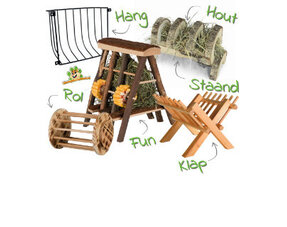
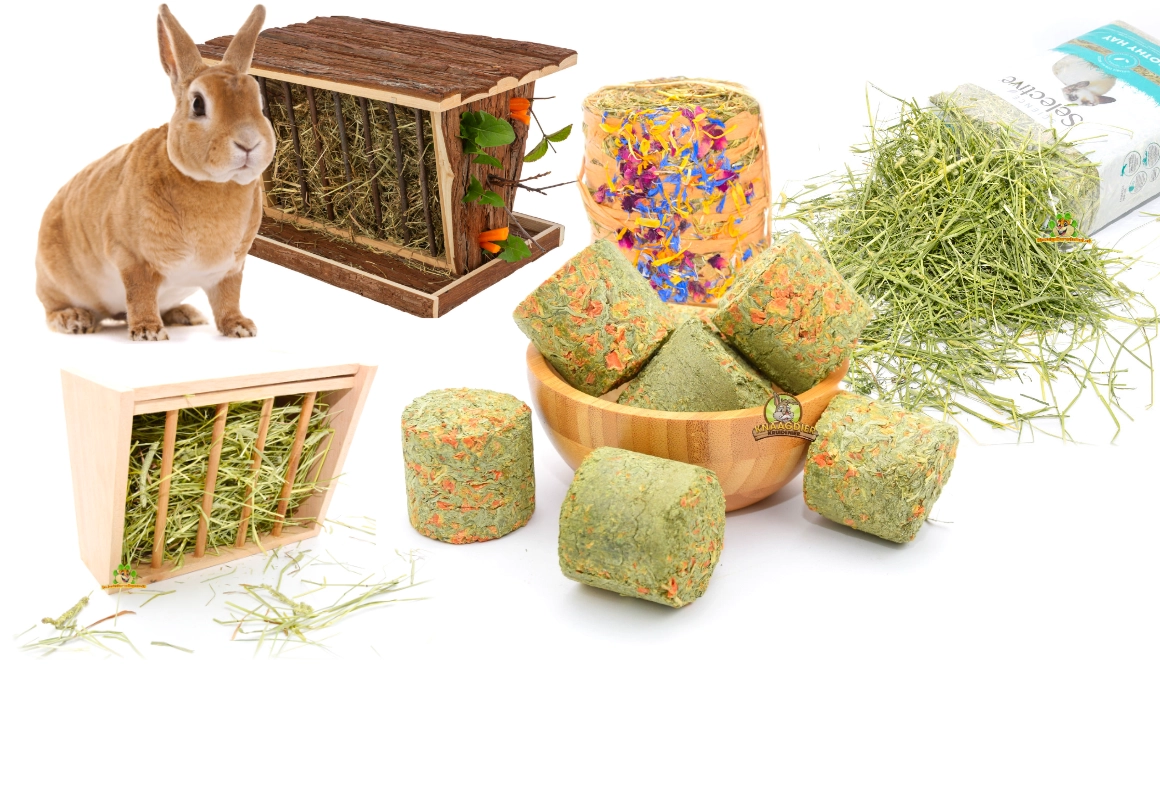 Are you looking for good hay or a handy hay rack for your rodent or rabbit? In this category, you will find various types of hay and practical solutions for offering hay in a clean, dry, and organized manner: from hay , timothy hay , mountain meadow hay, herbal hay , and meadow hay to hay racks and hay bags .
When it comes to hay, DRD looks not only at “which bag should I choose?”, but primarily at the role of hay in the daily routine. For rabbits, guinea pigs, chinchillas, and degus, hay is a solid, fiber-rich base that should be readily available. For small rodents that build nests, such as mice, dwarf hamsters, hamsters, and gerbils, hay can primarily serve as nesting material, landscaping material, or a foraging layer. This way, you choose not just a type of hay, but a hay spot that is right for your animal and enclosure.
In short
✓ For rabbits, guinea pigs, chinchillas, and degus, hay is a daily staple in the feeding and foraging routine.
✓ For mice, dwarf hamsters, hamsters, and gerbils, hay is especially suitable as nesting, landscaping, or activity material.
✓ With a hay rack or hay sack, hay stays cleaner, drier, and more organized in the enclosure.
Quick links
Subcategories | Why hay? | Which type of hay? | Hay rack or hay bag? | By animal species | Storing hay | Combining | Checklist | Good to know | FAQ
Hay
All hay varieties together. Handy when you want to compare scent, texture, packaging, and application.
Timothy hay
Popular fiber-rich hay variety with a recognizable texture. Often chosen as the daily basis for herbivores.
Mountain meadow hay
Aromatic hay, often with a bit more scent and variety in the blades. Nice as a base or for variety.
Herbal hay
Hay with extra fragrance and variety. Great for making the haymaking area more attractive or for varying the mix.
Meadow hay
Classic all-round hay variety for daily use. Pleasant when you are looking for a recognizable base.
Fresh grass hay
Fresh, fragrant, and often somewhat softer in texture. Nice as a variation in the hay area.
Hay bales and chunks
Handy for higher consumption, multiple animals, or when you want to offer hay in a compact form.
Hay racks
For a permanent hay storage area where hay remains cleaner, drier, and more accessible.
Hay sacks
For hanging and neatly presenting hay. Often practical when you want to save space or place hay higher.
Why is hay so important?
For rabbits, guinea pigs, chinchillas, and degus, hay is a fixed part of the daily routine. It encourages prolonged chewing, keeps the hay area active, and gives the animals something natural to occupy themselves with. Therefore, you want hay to be readily available, smell pleasant, and remain clean.
Hay plays a different role for small rodents. Mice, dwarf hamsters, hamsters, and gerbils usually do not eat large quantities of hay like herbivores do, but they do enjoy using hay to drag, shred, incorporate into a nest, or as natural structure in a scape. Think of hamsterscaping, gerbilscaping, or a foraging corner with various materials.
The right choice of hay therefore depends on your animal, your goal, and the way you offer it. A rabbit or guinea pig primarily needs a nice daily hay spot. A hamster or gerbil benefits more from a small amount of hay as natural structure, nesting material, or enrichment.
Which type of hay suits your animal?
The best type of hay is often the kind your animal enjoys and eats consistently. For herbivores, you primarily want them to eat well every day. Variation in scent and texture can help keep the hay spot appealing, especially if your animal is picky or quickly gets bored with a single type.
Timothy hay
Timothy hay has a fiber-rich, recognizable structure and is often chosen as the daily basis for rabbits, guinea pigs, chinchillas, and degus.
Mountain meadow hay
Mountain meadow hay is often aromatic and rich in texture. It works well as a base or as an alternative when you want more scent and variety in the hay area.
Meadow hay
Meadow hay is a classic all-round choice. Pleasant when you are looking for a familiar daily type of hay that fits well into your regular routine.
Herbal hay
Herbal hay adds extra fragrance and variety. It is useful to mix with basic hay or to make the haymaking area more attractive.
Fresh grass hay
Fresh grass hay often has a fresh scent and a softer texture. It is often used as a variation or to keep animals curious about the hay feeding area.
Hay bales and chunks
Hay bales and chunks are practical for large-scale use, multiple animals, or when you want to offer hay in a compact form. Chunks can also provide extra activity as animals can pull and nibble on them.
Choosing a hay rack or hay sack
A good hay rack or hay bag makes feeding more organized. Hay stays cleaner, you can see more quickly what is being eaten, and you prevent all the hay from being pulled into bedding, the toilet area, or damp zones.
Choose the hay rack or bag based on animal species, size, gnawing behavior, and placement. For rabbits and guinea pigs, a spacious, easily accessible hay area is important. For chinchillas and degus, the rack must be sturdy, dry, and easily accessible. For smaller rodents, a hay rack usually serves less purpose, as hay is not their primary food source.
Place a hay rack stably and within reach. Do not hang it so high that your animal has to stretch or force its way in. When looking at openings, always consider the size of the snout and head so that your animal can reach the hay without getting stuck.
Hay per animal species
Rabbits
For rabbits, hay is a daily staple. Provide a spacious, clean hay area and replace any hay that is wet or soiled. Optionally, combine a basic hay with a second type of hay for variety in scent and texture. Also view rabbit hay and hay racks .
Guinea pigs
Hay should be readily available for guinea pigs. A designated hay area or hay rack helps keep the hay drier and cleaner. For long-haired guinea pigs, a tidy hay area is especially practical, as loose hay is more likely to get caught in their fur. See also guinea pig hay and hay racks .
Chinchillas
For chinchillas, dry, clean hay is an important part of their daily routine. Choose a type of hay with a pleasant texture and offer it in a dry place, for example in a sturdy hay rack. Also check out chinchilla hay & herbs .
Degus
For degus, hay fits well into a simple, fiber-rich routine. Offer it clean and dry, and select primarily based on texture, usage, and acceptance. Also, check out degu herbs and the degu category for suitable food and enclosure setup.
Hamsters and dwarf hamsters
For hamsters and dwarf hamsters, hay is particularly interesting as nesting material, landscaping material, or a natural structure. Use small quantities and ensure the hay is not stringy or too long when offering it as nesting material. Also check out hamsterscaping .
Gerbils
For gerbils, hay can help add structure to tunnels and bedding. It is also fun to shred and incorporate into a gerbilscape. For gerbils, a hay rack usually has less practical value than loose or processed hay in the setup. Also check out gerbil hay, herbs, and seeds .
Mice
For mice, hay is primarily suitable as structure, nest filler, or foraging material. Use small tufts and combine it with bedding, tunnels, and nesting material. A hay rack is usually not necessary for mice.
Rats and pygmy rats
For rats, hay usually has no clear function in daily care. Rats have sensitive airways, and fine or dusty hay can be unpleasant. When you want to add natural enrichment, it is better to choose low-dust bedding, digging boxes with suitable materials, tunnels, hammocks, foraging, and Ratscaping for rats.
Storing hay: how to keep it fresh
Hay remains at its best when stored dry, airy, and out of direct sunlight. It is better to use a breathable box, paper bag, or airy storage area than completely sealed plastic where moisture can accumulate. Hay that smells musty, feels damp, or is visibly soiled no longer belongs in the hayloft.
For larger stocks, work with “oldest first.” This prevents older sacks from being left at the back. Also, do not store hay next to strong-smelling cleaning products, damp items, or places where condensation may form.
Combines nicely with hay and hay racks
Power supply
Hay is part of a clear feeding and care routine, alongside appropriate basic nutrition.
Playing & foraging
Turn hay into a foraging spot by hiding herbs, flowers, or small snacks in between.
Ground cover
A dry, suitable surface helps keep the hayloft cleaner and more organized.
Checklist: choosing hay and hay racks
✓ Is your animal a herbivore for whom hay must be readily available daily?
✓ Do you choose a type of hay that your animal likes to eat or use?
✓ Do you want a basic hay, an aromatic variety, or a bulk pack?
✓ Does the hay remain clean and dry at the place where you offer it?
✓ Does the hay rack or hay bag suit your animal's size, gnawing behavior, and eating habits?
✓ Can you easily refill, clean, and check the hay station?
✓ Do you remove wet, musty, or soiled hay from the enclosure on time?
Good to know about hay and hay racks
Hay must remain dry and fresh.
It is best to remove hay that is damp, musty, or soiled. A designated hay storage area, hay rack, or hay sack helps to better see what is still fresh and what needs to be replaced.
Watch out for long, fibrous parts when using the nest.
Are you using hay as nesting material for small rodents? Then choose short, easy-to-handle tufts and avoid long, stringy parts around the paws or neck.
Place a hay rack in a quiet and accessible spot.
A hay rack must be easily accessible without your animal having to force it. Check openings, edges, fastenings, and height regularly.
Rats usually do not need a hay rack.
For rats, a hay rack has no clear function in daily care. For rats, it is better to choose low-dust bedding, digging boxes with suitable materials, and foraging products that better suit their behavior.
Frequently asked questions about hay and hay racks
Which animals need hay daily?
Rabbits, guinea pigs, chinchillas, and degus, in particular, need plenty of hay daily. For small rodents such as hamsters, dwarf hamsters, mice, and gerbils, hay is primarily nesting, scaving, or foraging material.
What is the best hay for rabbits?
The best hay is a type that your rabbit eats well and regularly. Timothy hay, meadow hay, mountain meadow hay, and herbal hay can all be suitable. Variation in scent and texture can help keep the hay spot attractive.
What is the best hay for guinea pigs?
For guinea pigs, it is especially important that hay is clean, dry, and readily available. Many owners alternate basic hay with a fragrant or softer variety, such as mountain meadow hay, herbal hay, or fresh grass hay.
Is a hay rack necessary?
A hay rack is not mandatory, but it is practical. Hay often stays cleaner, drier, and more organized. Especially for rabbits, guinea pigs, chinchillas, and degus, a designated hay spot can make a big difference.
What is better: a hay rack or a hay sack?
That depends on your animal and enclosure. A hay rack is sturdy and provides a clear overview, while a hay sack often saves space and keeps the hay neatly together. Always pay attention to accessibility, fastening, and openings.
Can hamsters use hay?
Yes, hamsters can use hay as nesting material, scuppering material, or natural structure. Use small amounts and make sure the hay is not too long or stringy when it ends up in the nest.
Is hay suitable for rats?
For rats, hay is usually not a logical daily choice. Rats have sensitive airways, and hay can be dusty. For rats, it is better to choose low-dust bedding, burrowing material suitable for rats, and foraging products.
What is the best way to store hay?
Store hay in a dry, airy place and out of direct sunlight. Use breathable storage rather than completely sealed plastic. Hay that is damp, musty, or contaminated no longer belongs in the hayloft.
What do you do if your animal eats little hay?
Try a different texture, scent, or type of hay, and offer the hay clean and appealing. You can also mix in a second type or sprinkle some herbs through the hay. If your rabbit or guinea pig suddenly eats much less or not at all, contact a veterinarian.
Buy hay and hay racks at DRD Knaagdierwinkel®
At DRD Knaagdierwinkel®, you will find hay, hay racks, and hay bags for rodents and rabbits that are suitable for daily care, species-appropriate feeding, and an organized hay area. We select based on scent, texture, application, packaging, ease of use, and practical value in the enclosure.
Do you want to look further specifically? Then go to Hay , Timothy Hay , Mountain Meadow Hay , Herbal Hay , Hay Racks or Hay Bags .
✓ Specialist in hay, hay racks, and daily hay stations since 2011
✓ Carefully selected assortment: DRD chooses what is truly right for the animal, enclosure, and use
✓ Delivered from our own stock and shipped from the Netherlands to the Netherlands, Belgium, Germany, and other EU countries