Polski

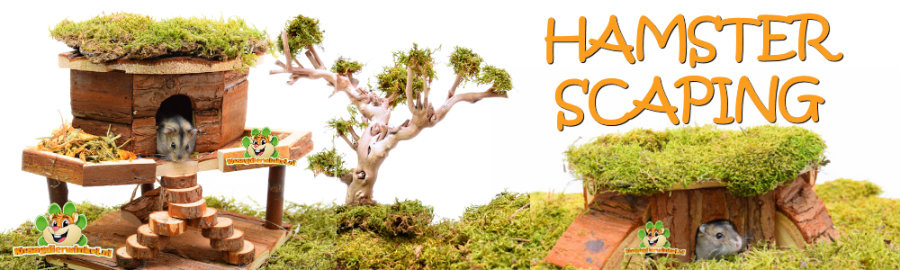
Hamsterscaping ideas & examples – inspiration that actually works
 Looking for hamster scaping ideas and examples , but especially one that's truly practical and hamster-proof? Below, you'll find inspiration you can put into practice right away: from smart zones to quiet routes and DIY tips (including "IKEA"-style solutions). DRD Rodent Shop® has been a specialist since 2011. Want to shop for suitable items right away? Check out: Hamsterscaping (shop) .
Quick to:
✔ Routes along the edges
Create "cover" and running routes. A hamster is more likely to feel unsafe in an open area.
✔ Zones = rest
Digging area, sand bath, resting place, run/foraging: if that's right, every style becomes "more beautiful".
✔ Change small
Want to update your hamster's habitat? Adjust one zone at a time. This way, your hamster will continue to feel secure.
20 hamster scaping ideas (practical)
- Deep excavation area with a tunnel-resistant ground cover (the foundation of everything). See: ground cover selection guide .
- Sand bath as a permanent “room” (trough/corner) instead of loose sand throughout the enclosure.
- 2–3 shelters with multiple exits (quieter “traffic”).
- Bridge as a cover above a route (the hamster feels covered).
- Foraging route : hide food in different corners.
- “Edge path” : create a walking route with tunnels/houses along the edge.
- Resting area with extra nesting material (do not disturb too often).
- Feeding area on a plateau so that it stays dry and clean.
- Seasonal accent (herbs/dried botanicals) in small quantities as an enrichment.
- Substrate mix for grip and strength (not just “airy”).
- “Viewing angle” for you : one open line of sight so you can see your hamster without it feeling open.
- Sand-sieve moment : make maintenance a routine (fixed day).
- Do not allow the wheel zone to wobble in the loose excavation layer (stable surface).
- Gnawing point (gnawing wood) close to a route, so that gnawing happens naturally.
- Multiple textures (soft nest, sturdy burrow, sand) make the habitat more interesting.
- Hiding place behind decor (without crevices where your hamster can get stuck).
- “One theme, one angle” (keep it calm, no stimuli everywhere).
- Rotation of foraging toys (changing 1–2 items per week works better than 10 at a time).
- Calm colours/materials (no strong-smelling, brightly painted decor pieces).
- Upgrade in steps : first base, then bridges/plateaus, then scenery.
Examples of divisions (zones)
Example 1 – “Beginner Logic”
Digging corner (deep) → route along the edge → resting zone (house + nest) → sand bath zone → running wheel/foraging corner.
Example 2 – “Sand as a central chamber”
Sand bath in the middle (stable) with routes on the left/right, digging corner at the back and rest corner on one side.
Looking for a comprehensive layout selection guide? Check out: hamster furnishing & enrichment selection guide .
Hamsterscaping IKEA & DIY: what to look out for?
- Ventilation first : a container without proper ventilation is not a good base (especially not in warm areas).
- Edges must be safe : no sharp cutting edges or loose parts.
- Stable stacking : heavy items cannot slide or fall over.
- No glue/sealant within reach and no materials with strong odors.
- Keep it maintainable : DIY is only useful if you can do a spot clean without demolishing everything.
Checklist: from inspiration to implementation
- ✔ I start with zones (dig, rest, sand, run/forage)
- ✔ I first choose ground cover/nest/sand/wheel (basic)
- ✔ I create routes and cover along edges
- ✔ Decor only comes when the scape “works”
- ✔ I only adjust 1 zone at a time when changes occur
Safety
- ✔ No sharp edges, no loose parts
- ✔ No strong-smelling materials, perfumes or "fragrance fillings"
- ✔ Heavy items remain stable and cannot tip over
- ✔ Sand is a zone, not a complete soil filling
Unsure about an idea or item? Contact customer service .
FAQ hamster scaping ideas & examples
Where can I find safe hamster scaping examples?
Always check that the foundation is sound (digging layer, hiding places, sand bath, exercise wheel) and that the materials are safe. Inspiration is only effective if it's hamster-proof.
How do I make my scape look nicer without it looking messy?
Work by zone: choose one corner as the theme and leave other areas uncluttered. Add decor in stages.
Which hamster scaping supplies make the most difference?
Substrate (permanent tunnels), houses/hiding routes, and a permanent sand bath area usually provide the greatest improvement. Start here: Hamsterscaping (shop) .
Can I change the layout every week?
Preferably not. Make small changes (one zone) and leave the base stable. That's usually calmer for your hamster.
Back to the hub: Hamsterscaping for beginners