Polski

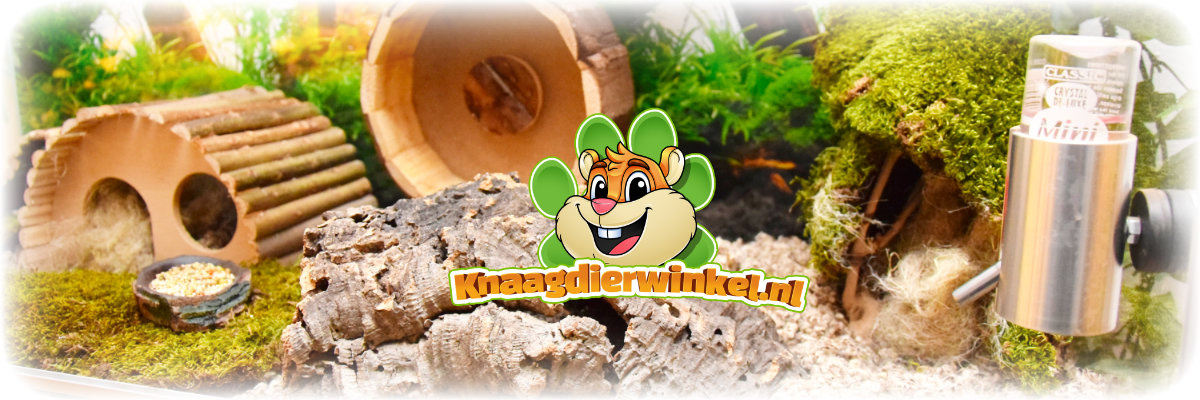
Hamster decor & enrichment selection guide – hamster scaping for dwarf hamsters & golden hamsters
 A hamster enclosure only truly works when it's designed to encourage natural behavior: digging, hiding, foraging, and running. Hamsterscaping simply means clever zoning, safe stacking, and combining the right materials so your hamster feels safe and stays active.
This is an information page/selection guide (not a product overview). Want to shop now? Start at Hamsterscaping or browse by product group: houses , tunnels , exercise wheels , and play & foraging .
DRD Rodent Shop® has been a specialist since 2011: a tailored range, selected for safety, animal welfare, and practical applicability.
Quickly to
- What is hamster scaping (and why does it work so well)?
- The 4 fixed zones: hiding, digging, sand bath, running
- Hideaways & cottages: the basis for a peaceful stay
- Digging zone: ground cover, depth and stability
- Foraging & enrichment: how to keep your hamster busy
- Running wheel & exercise: size, placement and safety
- Sand bath zone: right location and use
- Checklist: your hamster scape checked in 10 minutes
- Maintenance & hygiene without stress
- Safety: Common Mistakes (and How to Avoid Them)
- FAQ
✓ Peace and quiet through shelter routes
Multiple houses, tunnels and shelters will make your hamster visibly more relaxed.
✓ Digging zone as core
A deep, stable substrate allows tunnels to form and supports natural behavior.
✓ Being busy = well-being
Foraging, gnawing and destroying prevent boredom and really complete the habitat.
1) What is hamsterscaping (and why does it work so well)?
Hamsterscaping is a design method where you build the enclosure like a "mini ecosystem": not just one open box with loose toys, but a coherent layout with routes , zones , and a choice of materials . This makes your hamster feel more secure, encourages them to explore more, and often leads to more natural behavior.
2) The 4 fixed zones in a good hamster enclosure
- Hiding zone: several houses + tunnels + shelter (preferably with “under” routes).
- Digging zone: deep enough and tunnel-proof, so your hamster can create tunnels and chambers.
- Sand bath zone: a permanent place where sand remains clean and does not spread throughout the enclosure.
- Running/walking area: running wheel, feeding area and foraging areas on a stable, safe surface.
You can make it easier on yourself by building one side "deep" (digging zone) and keeping the other side "stable" (run/feeding zone). This provides a sense of calm, clarity, and prevents heavy items from sinking.
3) Shelters & houses: the basis for a peaceful stay
Hamsters are prey animals: shelter isn't a luxury, but a basic necessity. Therefore, provide multiple hiding places and connect them with tunnels or "canopies."
Houses: practical guidelines
- Several houses work better than one large house (mix of small + large).
- At least 2 openings will prevent your hamster from feeling “stuck” in the house.
- Size: Dwarf hamsters often like houses of approximately 9–15 cm, golden hamsters prefer houses of approximately 18 cm or larger (larger is always allowed).
Shop: Hamster houses and tunnels .
4) Digging zone: ground cover, depth and stability
The digging zone is the heart of the enclosure. Choose a substrate that is dust-free , absorbent, and above all, avoid tunnels. Depth is essential.
Digging depth guideline
- Dwarf hamster: at least 20 cm
- Golden hamster (Syrian): at least 30 cm
- Preferably deeper if your cage/terrarium allows, with safe placement of heavy items (see safety).
Shopping for Bedding: Hamster bedding and bedding for hamster scaping (tag) .
5) Foraging & enrichment: how to keep your hamster busy
Enrichment works best when it taps into instinct: searching, gathering, gnawing, and "destructive" behavior. It's better to choose five small stimuli that you alternate, rather than one large toy that gets boring after two days.
- Foraging: scatter (some of) the food around the enclosure, hide snacks in corners or in foraging toys.
- Gnawing material: alternate natural gnawing items (branches, gnawing wood, safe “demolition” items).
- Textures: work with natural elements (cork, grass, wood) for variation and walking routes.
Shop now: Play & foraging , gnawing material and the Hamsterscaping (tag) tag page.
6) Running wheel & movement: size, placement and safety
A running wheel is a must-have for most hamsters. Always choose a model with a closed running surface and sufficient diameter to keep their backs straight while running.
Guideline diameter running wheel
- Dwarf hamster: at least 20 cm
- Golden hamster (Syrian): minimum 28 cm
Shop: Hamster exercise wheels .
It is best to place the wheel in a stable zone (not loosely on a deep excavation layer) so that the wheel stands firmly and cannot tip over.
7) Sand bath zone: fixed location, correct contents
A sand bath supports coat care and natural behavior. It works best as a separate area in a bowl or dish, so the sand doesn't mix with the rest of the bedding.
Everything for your sand bath zone: Hamster sand, sandbox & sand bath and tag: sandbox (tag) .
8) Checklist: your hamster scape checked in 10 minutes
- Hiding routes: at least 2–3 hiding places + connection (tunnel/canopy).
- Dig zone: minimum 20 cm (dwarf) / 30 cm (gold) and tunnel-proof.
- Stable zone: food/water + exercise wheel on a firm surface.
- Running wheel: closed running surface, correct diameter.
- Sand bath: separate permanent place, easy to sieve/refresh.
- Enrichment: foraging + gnawing material + variety per week.
9) Maintenance & hygiene without stress
Quiet routine
- Daily: remove wet spots + check food/water.
- Weekly: Spot clean corners and walking areas; sift/refresh the sand bath as needed.
- Not all at once: always leave a small amount of familiar scent to reduce stress.
Handy: Hamster cleaning products .
10) Safety: Common Mistakes (and How to Avoid Them)
- Loose heavy items on deep bedding: place heavy houses/stones/wheels stably on a solid surface or platform.
- High drop heights: work with low levels, edges and “soft” walking routes.
- Too open a design: add extra hiding places (tunnels/canopies/grass nests).
- Not enough variety: rotate gnawing and foraging items weekly.
- Impractical layout: create one stable zone so that feeding/spot cleaning remains easy.
11) Frequently Asked Questions
My hamster is hiding alone, am I doing something wrong?
Not necessarily. More hiding places and less open space often helps. Give your hamster time: a safe environment usually automatically leads to more "viewing opportunities."
How many houses do I need?
Multiple shelters are preferable to just one. Combine a larger sleeping house with smaller shelters and tunnels for safe routes.
Can I also do hamster scaping in a barred cage?
That's possible, but it's important that the substrate is deep enough for a proper digging zone. This is usually easier in a terrarium.
What are the best “first” enrichment items?
Start with: a good house + tunnel, a suitable exercise wheel, a sand bath, gnawing material, and one forage item. Gradually expand from there.
Shop by component (useful if you want to get started right away)
- Hamster cages
- Hamster bedding
- Hamster nesting material
- Hamster houses
- Hamster tunnels
- Platforms & ladders
- Hamster exercise wheels
- Sand & sand bath
- Playing & foraging
- Rodent material
✓ Specialist since 2011 | ✓ Selected for safety & well-being | ✓ From our own stock
Want to complete your décor in one go? Start with Hamsterscaping and add houses , tunnels , a running wheel , and a permanent sand bath area .